Discover the art of facial exfoliation, how to choose a formula that complements your skin, and the details that make a face scrub worth considering.
Why Facial Exfoliation Deserves a Place in Your Routine
A well-considered skincare routine is rarely about adding more steps. It is about understanding what your skin needs and choosing products that serve a purpose. Facial exfoliation can be one of those considered additions, helping refine the appearance of the complexion without making an elaborate routine feel unnecessarily complicated.
Throughout the day, dead skin cells naturally accumulate on the skin’s surface. Although the skin has its own renewal process, this natural shedding can sometimes leave the complexion looking less fresh or feeling uneven. Exfoliation helps remove some of that surface build-up, revealing skin that can appear smoother and more polished.
Physical exfoliation works through direct contact with the skin. A facial scrub contains particles or powders that gently loosen surface cells as the product is massaged over the complexion and rinsed away. Depending on its formulation, the result may be a softer feel, a more refined-looking texture and a fresher appearance.
However, exfoliation is not an essential step for everyone. Skin that is already comfortable, balanced and well cared for may not need additional polishing. The intention should never be to scrub away every trace of texture or pursue an artificially flawless finish.
Instead, think of a face scrub as an occasional addition to a routine that already works. The most successful approach is a measured one: choosing an appropriate formula, following its directions and allowing the skin to remain comfortable afterwards.
Face Scrubs vs Chemical Exfoliants: Understanding the Difference
Not all exfoliation works in the same way. Broadly, skincare exfoliants can be divided into two categories: physical and chemical. Understanding the distinction makes it easier to decide which approach belongs in your routine.
Physical exfoliation relies on contact. Face scrubs use ingredients such as fine powders, polishing particles or beads to loosen dead cells from the skin’s surface through gentle massage. Their textures can range from creamy formulations containing delicate particles to dry powders that transform when mixed with water.
Chemical exfoliation takes a different approach. Rather than relying on particles and massage, it uses ingredients that help loosen the bonds between dead skin cells. Common examples include alpha hydroxy acids (AHAs), such as glycolic and lactic acid, and beta hydroxy acids (BHAs), such as salicylic acid.
The distinction is important because the two methods create different experiences and require different considerations. A physical scrub is something you can feel as you massage it over the skin, while a chemical exfoliant works through its active ingredients and is often formulated as a liquid, serum, toner or treatment.
Neither category is automatically better for every complexion. The right choice depends on individual skin needs, product formulation and tolerance. It is also worth remembering that combining multiple exfoliating products can increase the likelihood of irritation, particularly when the routine becomes too intensive.
DID YOU KNOW?
The word exfoliation comes from the Latin exfoliare, meaning to strip away leaves. It is an apt description of the process: removing the outermost layer of accumulated dead skin cells to reveal the fresher-looking surface beneath.
How to Choose the Right Face Scrub for Your Skin Type
A face scrub should complement the characteristics of your skin rather than work against them. Texture, particle type and the overall formulation all influence how a product feels, which is why choosing according to skin type is more useful than simply selecting the most popular option.
For dry skin
Dry skin often benefits from formulas that combine gentle polishing with a comfortable, moisturising feel. Cream-based scrubs and fine exfoliating powders can be worth considering, particularly when they contain ingredients such as glycerin or other moisturising components. Avoid formulas that leave the skin feeling tight or stripped.
For oily skin
Those with oily skin may prefer lightweight textures that rinse away easily and leave the complexion feeling fresh. However, excess oil does not mean the skin needs aggressive exfoliation. A more abrasive scrub is not necessarily more effective, and vigorous massage can leave the skin uncomfortable.
For combination skin
Combination skin can have different needs across the face, with oiliness in some areas and dryness in others. A balanced formula with fine particles and a comfortable finish is often a more considered choice than an intensive scrub designed to produce a very polished feel.
For sensitive skin
Sensitive skin requires particular care. Physical exfoliation can be irritating, especially when particles are coarse or massage is too vigorous. In some cases, avoiding facial scrubs altogether may be the better option. Anyone considering one should look for a very gentle formulation, follow the instructions carefully and discontinue use if discomfort develops.
For normal skin
Normal skin generally offers more flexibility when choosing between different textures. A fine powder, a creamy scrub or a lightweight polishing formula may all be worth exploring. Even so, there is no need to exfoliate simply because a product is available or because it is part of someone else’s routine.
Ultimately, a skin-type label is only a starting point. Your skin’s condition can change with the weather, environment, hormones and other aspects of daily life. Pay attention to how it responds rather than assuming that one formula will always be suitable.
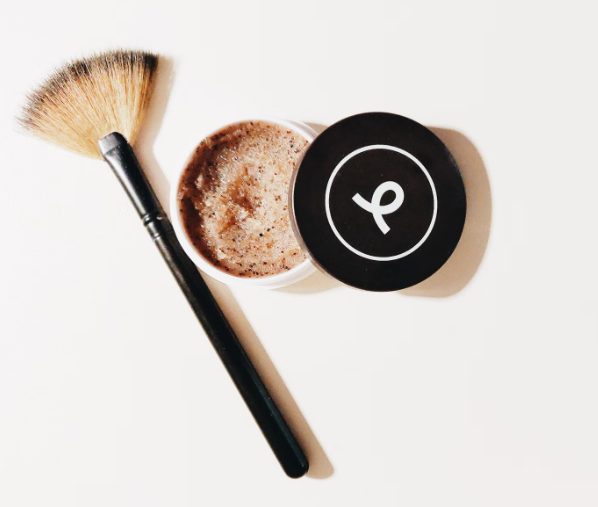
Ingredients and Textures Worth Knowing
The experience of using a facial scrub is shaped by more than its fragrance or packaging. The exfoliating particles, supporting ingredients and consistency of the formula all contribute to how it performs and feels on the skin.
Rice powder
Finely milled rice powder is commonly used in powder-based exfoliants. When mixed with water, it creates a paste that can be massaged gently over the face. The resulting texture varies between products, making the fineness of the powder and the manufacturer’s directions important considerations.
Sugar
Sugar is used in some facial polishes for its granular texture. It can create a more noticeable physical exfoliating experience, particularly in formulas with larger particles. Facial products should be specifically formulated for delicate facial skin rather than adapted from body scrubs.
Hydrated silica
Hydrated silica is used in certain skincare formulations as a polishing ingredient. Its characteristics depend on the formulation and particle properties, so it should not automatically be assumed to be either gentle or abrasive simply because it appears on an ingredient list.
Jojoba beads
Jojoba-derived particles are another option found in some physical exfoliants. They provide a distinct texture and can offer an alternative to traditional gritty scrubs. Their suitability still depends on the finished formula and how it is used.
Glycerin and aloe vera
Not every ingredient in a scrub is there to exfoliate. Glycerin is a humectant that helps attract and retain moisture, while aloe vera is often included for its skin-conditioning properties. These supporting ingredients can contribute to a more comfortable overall formulation.
Beyond the ingredient list, consider the product’s consistency. A creamy scrub may feel different from a dry powder that develops into a paste, while a gel-based formula can offer a lighter application. There is no universally ideal texture; the aim is to find a formulation that feels appropriate for your skin and does not leave it uncomfortable.
How Often Should You Use a Face Scrub?
When it comes to physical exfoliation, more is not necessarily better. A face scrub should be used according to its specific instructions and your skin’s tolerance, rather than following a rigid schedule or assuming that frequent exfoliation will produce better results.
If you are new to facial scrubs, a cautious starting point is once a week, provided the product instructions allow it and your skin is not irritated or compromised. Observe how your complexion responds before considering any change in frequency. Some formulas are designed for more frequent use, but that does not mean every skin type will benefit from using them that way.
It is equally important to recognise when your skin needs a break. Persistent tightness, redness, stinging, unusual dryness or increased sensitivity can indicate that your routine is too intensive. If these symptoms appear, stop exfoliating and allow the skin to recover. Seek professional advice if irritation persists.
BEAUTY TIP
Treat exfoliation as a considered part of your weekly skincare ritual, not a daily obligation. A gentle approach, followed by a moisturizer suited to your skin, is far more appealing than chasing an immediate polished finish at the expense of comfort.
The Best Face Scrubs for Every Skin Type
Finding the right facial exfoliator is as much about understanding your skin as it is about choosing a product. Some formulas offer a more noticeable polishing experience, while others combine finer particles with creamy or powder-based textures.
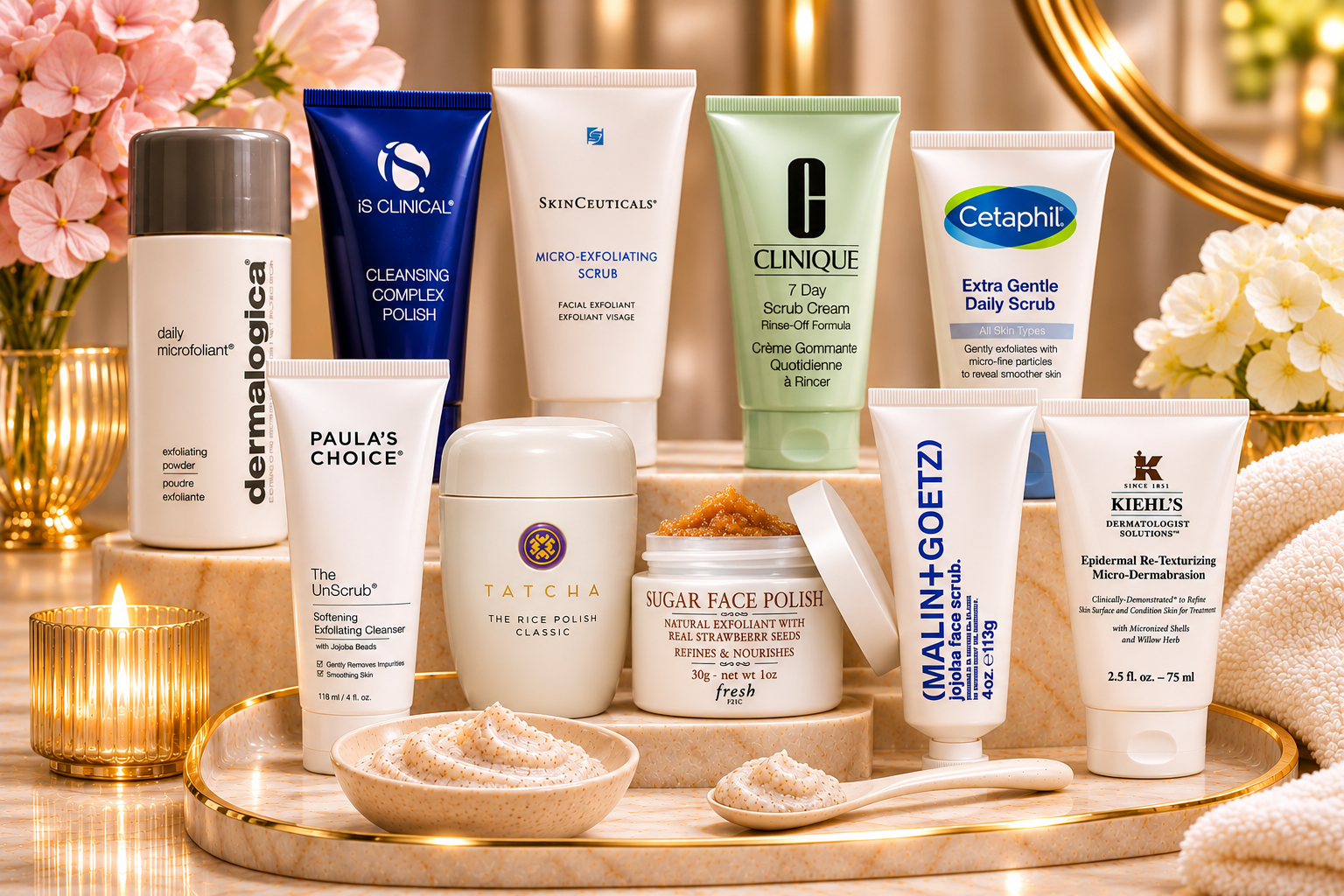
The following selection brings together ten different brands, each offering a distinct approach to physical exfoliation. To make choosing easier, every recommendation includes the skin types or preferences it may suit best, along with a consideration worth keeping in mind.
1. Dermalogica Daily Microfoliant — Best Exfoliating Powder
Best for: Normal, combination and oily skin; those concerned with dullness and uneven-looking texture.
Dermalogica Daily Microfoliant is a rice-based exfoliating powder that transforms into a creamy paste when activated with water. Its formula combines rice bran, papain and salicylic acid, bringing together physical polishing and enzymatic and chemical exfoliation.
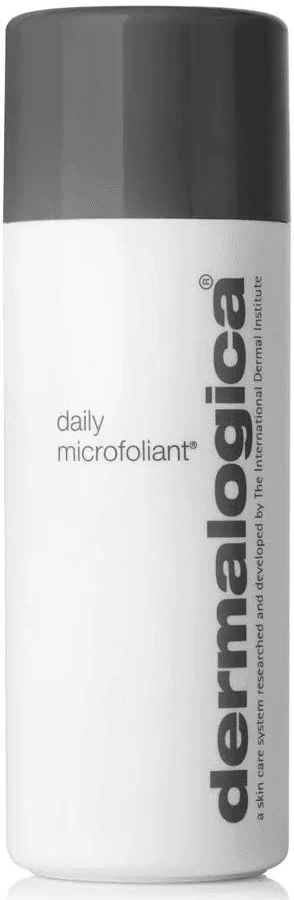
The powder format makes it particularly appealing to anyone who prefers a lightweight alternative to traditional grain-based scrubs. Colloidal oatmeal and allantoin also feature in the formulation, adding a skin-conditioning element to the experience.
Although Dermalogica positions it for all skin types, those with highly reactive skin should introduce it cautiously because it contains several exfoliating components.
2. iS Clinical Cleansing Complex Polish — Best Polishing Cleanser
Best for: Normal and combination skin, particularly those concerned with visible surface build-up and uneven texture.
For those who enjoy a more treatment-oriented cleansing experience, iS Clinical Cleansing Complex Polish combines cleansing with physical polishing. Its formula features microcrystalline cellulose and jojoba esters, alongside ingredients such as sugarcane extract and salicylic acid.
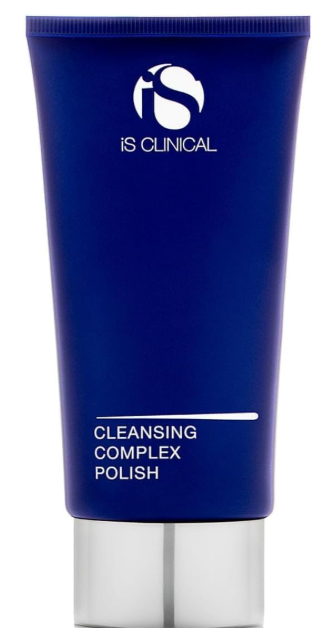
This combination gives the product a more sophisticated approach than a conventional grain-based scrub. Its gel-cleansing format also makes it an interesting choice for anyone who prefers exfoliation as part of a cleansing ritual.
Because the formula includes exfoliating acids and fragrance, those with sensitive or easily irritated skin should be particularly cautious.
3. SkinCeuticals Micro-Exfoliating Scrub — Best Overall
Best for: Normal and combination skin, particularly those looking for a traditional polishing scrub.
SkinCeuticals Micro-Exfoliating Scrub offers a straightforward approach to facial exfoliation. Its hydrated silica particles provide the physical polishing action, while glycerin and aloe contribute to the formula’s skin-conditioning qualities.
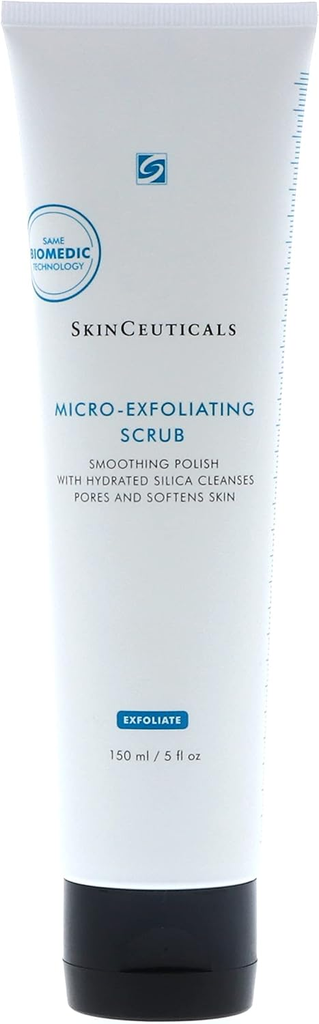
Unlike water-activated powders, this product has a more conventional scrub texture, making it an appealing option for readers who enjoy a familiar rinse-off exfoliator.
It is worth considering for those who want to refine the appearance of surface texture without choosing a complicated multi-step treatment. However, anyone with sensitive or compromised skin should approach physical exfoliation cautiously.
4. Clinique 7 Day Scrub Cream Rinse-Off Formula — Best Cream-Based Scrub
Best for: Dry, combination and oily skin, provided the skin tolerates physical exfoliation.
Clinique’s 7 Day Scrub Cream Rinse-Off Formula brings a classic cream-based format to the edit. Its silica particles help polish away surface roughness and flaky skin, while the creamy consistency gives it a different feel from powder-based alternatives.
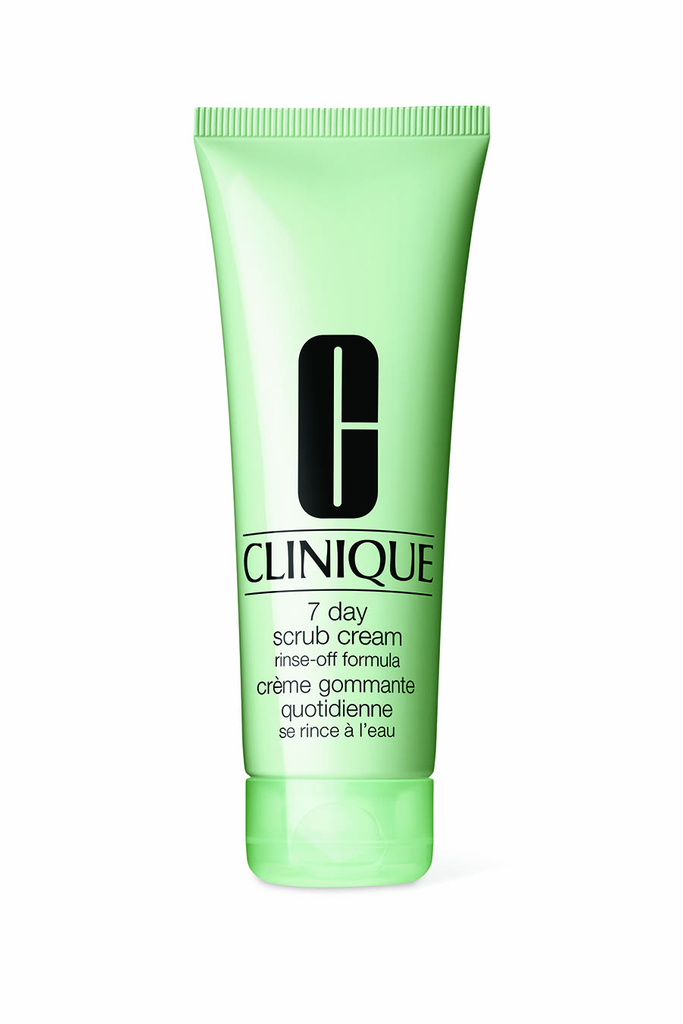
The formula is fragrance-free and allergy-tested, making it an interesting option for readers who prefer uncomplicated skincare formulations. Clinique identifies it as suitable for all skin types.
Despite its name, daily use is not essential. Follow the brand’s directions and adjust frequency according to your skin’s tolerance. Avoid using it over active breakouts.
5. Cetaphil Extra Gentle Daily Scrub — Best Accessible Gentle Option
Best for: Normal and dry-leaning skin that tolerates gentle physical exfoliation.
Cetaphil Extra Gentle Daily Scrub is designed for those who prefer a more understated approach to exfoliation. Its formula features micro-fine exfoliating particles alongside glycerin, vitamin B5 and vitamin E.
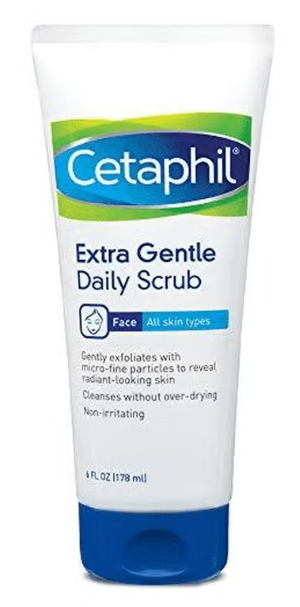
The combination gives the product a cleansing and polishing character, while its gentle positioning makes it an interesting option for readers who favour uncomplicated skincare.
Its place in this edit is particularly relevant for anyone who prefers a less elaborate exfoliating product rather than an intensive polishing treatment. However, even a product labelled extra gentle may not suit every sensitive complexion.
6. Paula’s Choice The UnScrub — Best Dissolving-Bead Formula
Best for: Normal and dry-leaning skin, particularly those who dislike a heavily gritty scrub texture.
Paula’s Choice The UnScrub takes a different approach to physical exfoliation. Its jojoba beads are designed to dissolve as they are massaged over the skin, offering a less conventional experience than scrubs with particles that remain intact throughout application.
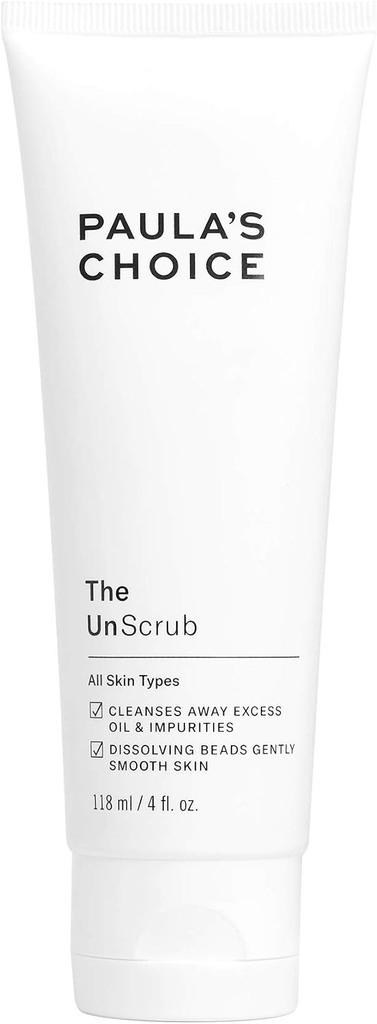
The formula is an interesting option for those who prefer a softer-feeling exfoliating experience and want to avoid the sensation of a traditional coarse scrub.
Its distinctive dissolving-bead concept makes it stand out in a category where many products rely on a more noticeable granular texture. Those with very reactive skin should still exercise caution, as a dissolving particle does not automatically make a formula irritation-free.
7. Tatcha The Rice Polish: Classic — Best Luxury Rice Polish
Best for: Combination and dry skin, particularly those concerned with dullness and uneven-looking texture.
Tatcha The Rice Polish: Classic brings a distinctly luxurious feel to the exfoliation ritual. Inspired by Japanese skincare traditions, this water-activated powder transforms into a soft, creamy foam when mixed with water.
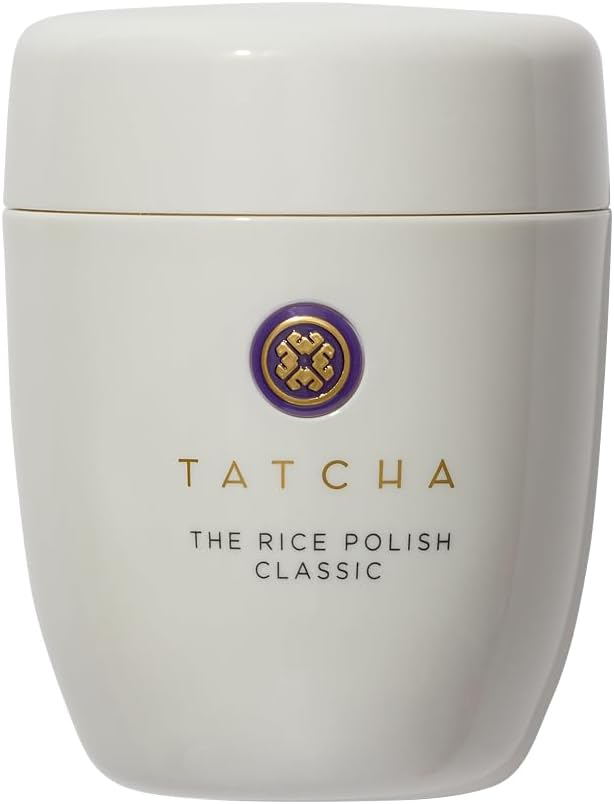
Its formula combines rice powder, rice bran and papaya enzymes, creating a blend of physical and enzymatic exfoliation. The powder-to-foam texture makes it particularly appealing to readers who enjoy a more refined alternative to traditional facial scrubs.
Tatcha positions the Classic version for combination-to-dry skin, making it an interesting choice for those who prefer a polished complexion without a conventional gritty scrub. Those with highly reactive skin should nevertheless introduce it carefully.
8. Fresh Sugar Face Polish — Best Sugar-Based Polish
Best for: Normal and dry-leaning skin that enjoys a richer exfoliating texture.
Fresh Sugar Face Polish offers a more indulgent interpretation of a traditional facial scrub. Formulated with real brown sugar, it combines exfoliating particles with a rich, nourishing texture that gives the product its distinctive character.
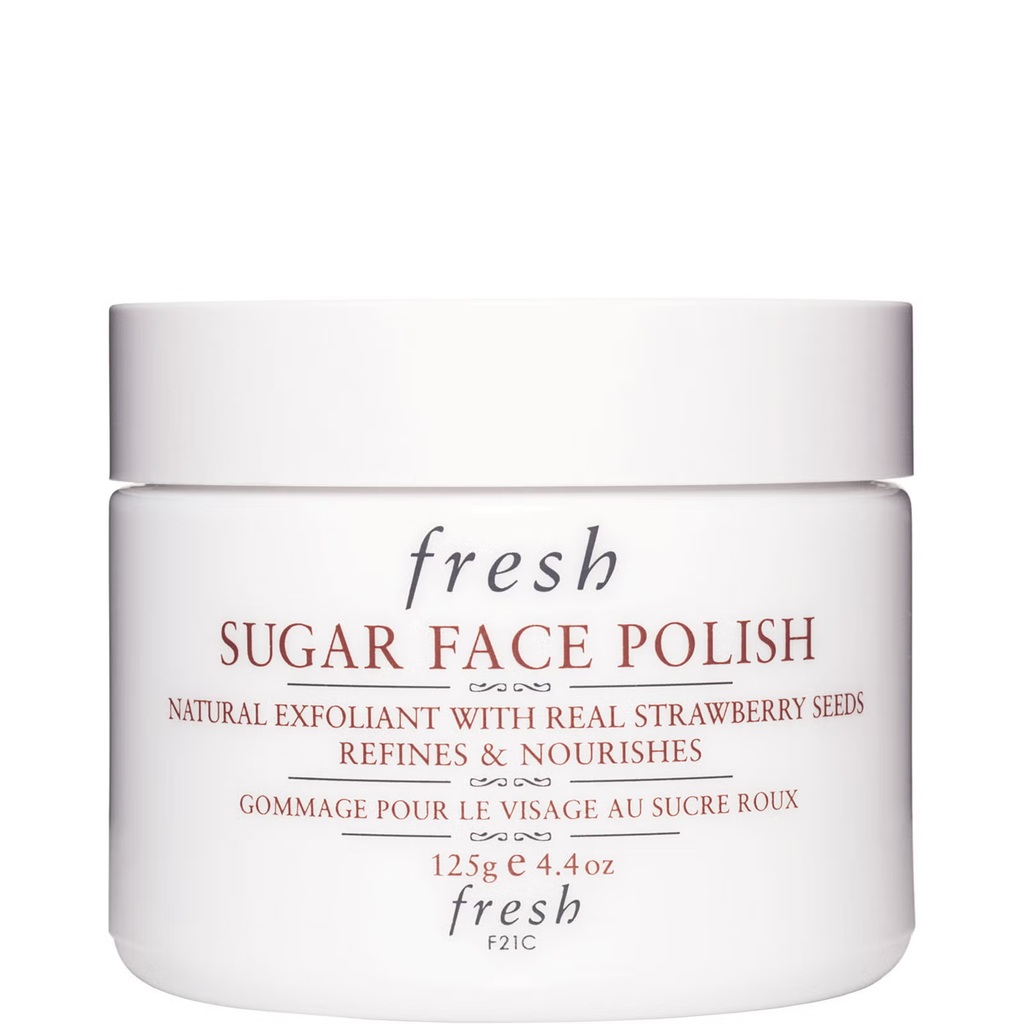
The inclusion of ingredients such as meadowfoam seed oil, grape seed oil and mango seed butter contributes to its conditioning feel. Its dense consistency makes it feel more like a beauty treatment than a basic cleansing product.
It is a lovely option for readers who enjoy a sensorial skincare ritual and appreciate a product that combines physical exfoliation with a richer finish. However, its sugar particles and fragranced formula may not be the best choice for particularly sensitive or easily irritated skin.
9. Malin+Goetz Jojoba Face Scrub — Best Jojoba-Based Scrub
Best for: Normal and dry-leaning skin that tolerates physical exfoliation and prefers a cream-based texture.
Malin+Goetz Jojoba Face Scrub combines jojoba-derived exfoliating particles and rice powder within a nourishing cream base. The formula is designed to polish away dull surface build-up while leaving the skin feeling softer and more conditioned.

Its appeal lies in the balance between exfoliation and moisturising ingredients, including glycerin and sodium hyaluronate. This makes it an interesting alternative to more straightforward, polishing-focused formulas.
For readers who prefer a traditional scrub but dislike a dry or stripped feeling afterwards, its cream-based texture is a distinctive feature. Those with active breakouts or easily irritated skin should avoid vigorous physical exfoliation.
10. Kiehl’s Epidermal Re-Texturizing Micro-Dermabrasion — Best Microdermabrasion-Inspired Polish
Best for: Normal and combination skin that tolerates a more intensive physical exfoliating experience.
Kiehl’s Epidermal Re-Texturizing Micro-Dermabrasion rounds out the selection with a treatment-inspired approach to physical exfoliation.
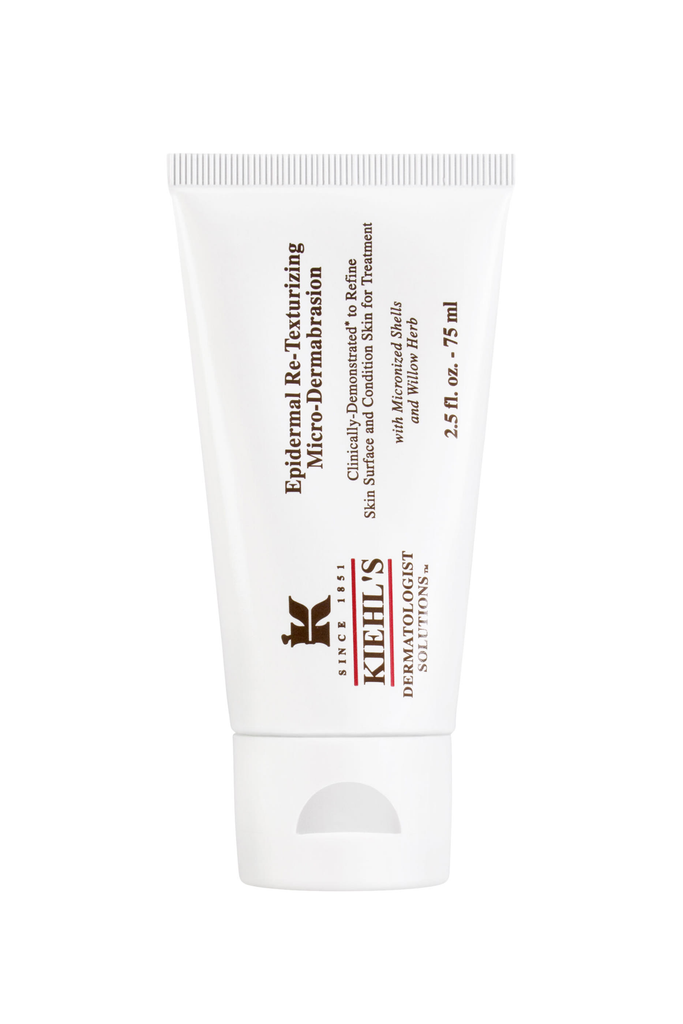
Its microdermabrasion-inspired positioning makes it particularly interesting for readers who enjoy the idea of a more intensive skin-polishing ritual. Compared with the softer powder and cream formats in this edit, it represents a more substantial exfoliating option.
This is one to approach thoughtfully. Those with sensitive, irritated, inflamed or compromised skin should avoid more intensive physical exfoliation, and the product should be used only as directed.
A note on product selection: Skin-type recommendations are starting points, not guarantees. Individual tolerance, the condition of the skin and the exact formulation all matter when choosing a facial exfoliator.
How to Use a Face Scrub Without Over-Exfoliating
Choosing a suitable product is only part of the process. The way a face scrub is applied also influences the overall experience, and even a well-formulated product can become uncomfortable when used with too much pressure.
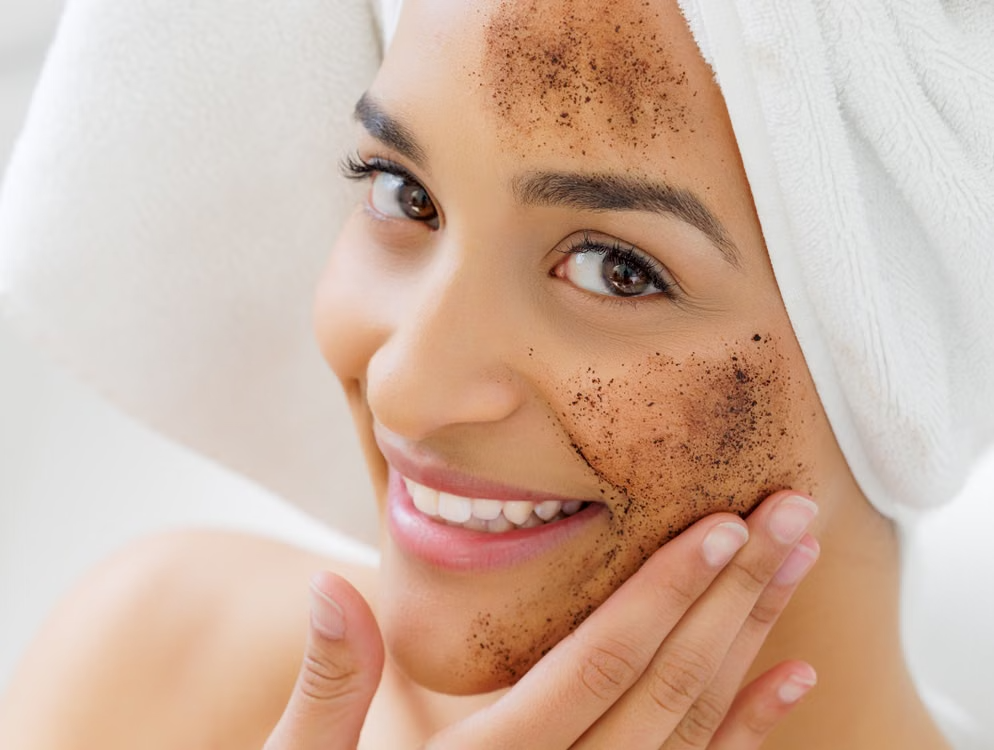
A simple approach is usually best:
- Prepare the complexion. Begin with clean skin, following the product’s instructions. Some scrubs are designed to be used on damp skin, while powder formulas require activation with water.
- Use a small amount. There is no need to apply a thick layer. Follow the recommended quantity on the packaging.
- Keep movements light. Use gentle, controlled movements rather than rubbing vigorously. Allow the formula to do its work without applying unnecessary pressure.
- Be mindful of delicate areas. Avoid the immediate eye area, lips and any areas that are already irritated.
- Rinse thoroughly. Make sure no particles or product residue remain around the hairline, nose or jaw.
- Finish with uncomplicated care. Apply products that your skin already tolerates well rather than introducing several new treatments at once.
It is also worth remembering that facial scrubs are not intended to remove visible imperfections through force. Blackheads, congestion and breakouts are not problems that can simply be scrubbed away. Trying to do so can leave the skin more irritated.
EDITOR’S NOTE
The most beautiful skincare rituals are often the simplest. Choose a formula your skin tolerates, use it thoughtfully and remember that healthy-looking skin does not need to feel perfectly smooth every single day.
What to Avoid When Choosing a Facial Scrub
A beautiful product presentation does not always tell you whether a facial scrub is appropriate for your skin. Before adding one to your collection, there are a few details worth considering.
Scrubs designed for the body
Body exfoliators and facial scrubs are not interchangeable. Body products may have textures and formulations that are too aggressive for the face. Always choose a product specifically developed for facial use.
Overly abrasive textures
A formula that feels particularly gritty is not necessarily more effective. Coarse particles and excessive friction can make exfoliation uncomfortable, so consider the texture carefully rather than judging a product by how noticeable its particles feel.
Products that do not suit your skin’s current condition
Skin that is sunburnt, irritated, peeling or otherwise compromised is not a good candidate for physical exfoliation. Similarly, avoid scrubbing directly over inflamed blemishes or broken skin.
Unnecessary combinations
A scrub does not need to be accompanied by several other exfoliating treatments to deliver a useful result. Combining physical exfoliants with strong acids, retinoids or other potentially irritating products can make a routine unnecessarily aggressive.
Products with unclear instructions
A reputable facial exfoliator should provide clear directions for application and use. Pay attention to these instructions, especially when a formula contains a combination of physical and chemical exfoliating ingredients.
What if you have sensitive or acne-prone skin?
Physical exfoliation is not always the best choice for sensitive or acne-prone complexions. If your skin is easily irritated, or you are experiencing active breakouts, a traditional face scrub may create more irritation than benefit.
Even products marketed as gentle can cause discomfort on reactive skin. For acne-prone skin, scrubbing active blemishes can aggravate inflammation rather than improve their appearance.
A gentle cleanser and, where appropriate, a dermatologist-recommended chemical exfoliant may be a better alternative. If you have persistent sensitivity, inflamed acne or a compromised skin barrier, seek professional advice before introducing exfoliation.
Face Scrub Aftercare: What to Apply After Exfoliation
Exfoliation should not be the end of your skincare routine. What follows matters just as much, particularly if your complexion tends to feel dry or uncomfortable after cleansing and exfoliating.
The aim is to keep the rest of your routine simple, familiar and supportive. There is no need to introduce several new products immediately after using a scrub.
Step 1: Apply a comfortable moisturiser
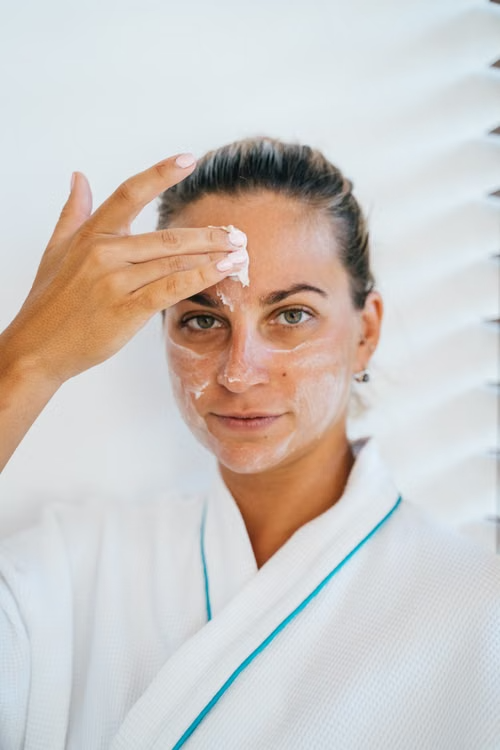
Once you have rinsed away the scrub, apply a moisturiser that suits your skin. Look for a texture that leaves your complexion feeling comfortable rather than tight or coated.
If you are unsure which formula would work best in a warm climate, our guide to Top Moisturizers for Dubai Weather: Hydration Without the Heavy Feel explores options for different skin types and preferences.
Step 2: Consider a facial oil if your skin needs it
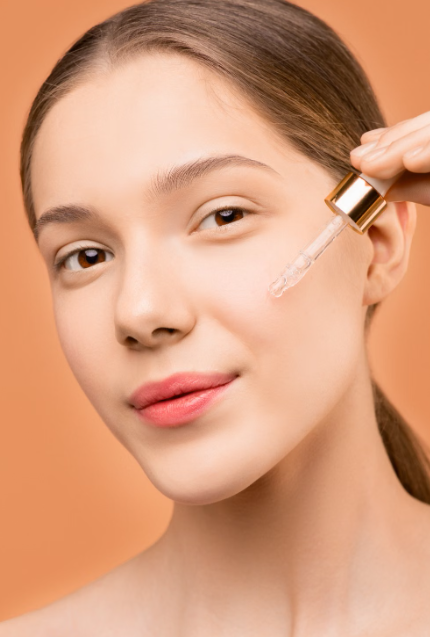
A facial oil can be an optional finishing layer for those who enjoy a more nourishing skincare feel. It is not essential after every exfoliation, and it should complement rather than replace your moisturiser.
For a closer look at different textures and formulations, explore The Face Oils Worth Knowing for Glowing, Nourished Skin. It covers a range of facial oils and explains how they can fit into a skincare routine.
Step 3: Keep potentially irritating actives in mind
Immediately after exfoliation is not the moment to experiment with several strong treatments. Depending on your skin and the scrub you have used, it may be sensible to avoid layering additional exfoliating acids, retinoids or other potentially irritating products in the same routine.
If your regular skincare includes prescription treatments, follow your clinician’s advice on how to combine them with exfoliation.
Step 4: Make sun protection part of your morning routine
If you exfoliate in the morning, finish with broad-spectrum sunscreen. Even when exfoliation takes place in the evening, consistent daytime sun protection remains an important part of skincare.
For options suited to hot-weather routines, read our guide to Best SPF to Survive Dubai’s Summer Heat, which explores different sunscreen textures and finishes.
Apply sunscreen as directed and reapply when needed, particularly when spending extended periods outdoors.
Step 5: Give your skin time to settle
A polished-looking complexion does not require another treatment the following day. If your skin feels unusually tight, red, stingy or sensitive, pause exfoliation and keep your routine gentle.
The best aftercare is often the simplest: familiar products, comfortable hydration and time for your skin to settle.
Beautiful skin is not about doing more. It is about choosing thoughtfully, caring consistently and knowing when to keep things simple.
The Final Edit: Finding Your Ideal Face Scrub
There is something appealing about the feeling of a fresh, well-cared-for complexion. Yet the secret to a beautiful skincare routine is rarely found in the number of products on the bathroom shelf. It comes from understanding what works, recognising what your skin does not need and choosing accordingly.
A finely milled powder may appeal to someone who enjoys a light, water-activated texture, while another person may prefer the familiar feel of a cream-based scrub. Some will appreciate the sensorial experience of a luxurious polish; others will favour a straightforward formula that fits effortlessly into an existing routine.
The most important consideration is suitability. A face scrub should complement your skin rather than challenge it, and there is no reason to pursue a more intensive exfoliating experience simply because a product promises a polished finish.
Ultimately, the best facial exfoliator is the one that earns its place in your routine. Not because it is the most expensive, the most talked about or the most powerful, but because it feels right for your skin.