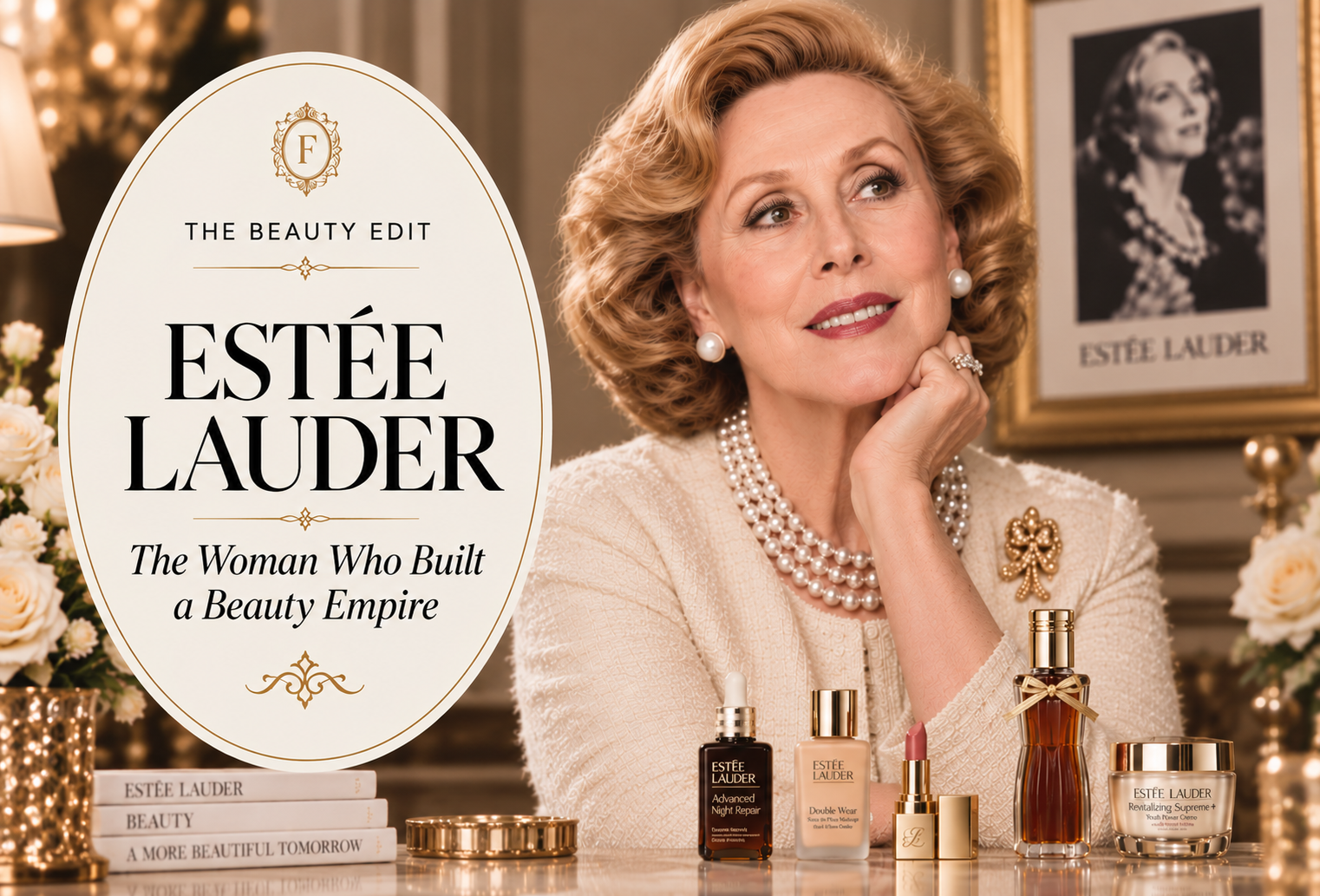
The Woman Who Built a Beauty Empire
There are beauty brands that become successful because they create products people love.
And then there are brands that become part of beauty history because one woman understands not only what women want to use, but how they want to feel.
Estée Lauder belongs to the second category.
Long before her name appeared on department-store counters around the world, Estée Lauder was a young woman fascinated by beauty creams, fragrance and the rituals surrounding them.
She didn’t begin with a global cosmetics company.
She began with formulas, persistence and an instinct for selling beauty directly to women.
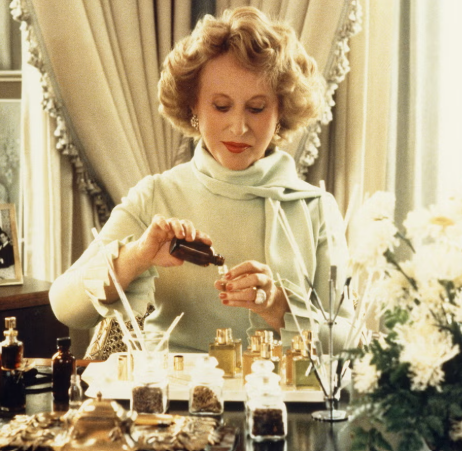
That instinct would eventually transform a small family business into one of the world’s most recognizable beauty companies.
But the story of Estée Lauder starts much earlier than the famous blue-and-gold packaging.
It starts with a girl who learned that beauty could be both an art and a business.
From Beauty Creams to a Beauty Career
Born Josephine Esther Mentzer in New York City, Estée grew up surrounded by beauty.
Her mother, Rose Schotz, was particularly influential. Estée later remembered watching her mother carefully apply rich creams to her face and hands, an early lesson in the importance she placed on grooming and skincare.
But another influence would prove even more important to her future.
Estée’s uncle, John Schotz, was a chemist who developed beauty creams, and as a teenager she became fascinated by the formulas he created.
She learned how the creams were made and began selling them herself in hair salons.
This was an important early lesson.
Estée wasn’t simply interested in beauty as something to admire.
She was interested in how beauty products were made, how they worked and how to persuade someone to try them.
That combination would become one of the defining characteristics of her career.
Her ambition was also larger than simply selling creams.
Estée once famously said that she had wanted to see her name in lights, but was willing to settle for seeing it on a jar.
Eventually, she would achieve both something close to the glamour she had imagined and something far more enduring: a name that became synonymous with beauty itself.
The Beauty Products That Started It All
Estée Lauder’s early beauty business was remarkably different from the global company we know today.
There was no enormous product catalogue.
No international advertising machine.
No department-store empire.
The business began with a small number of products based on the beauty formulas Estée had learned from her uncle.
She and her husband, Joseph Lauder, eventually formalized the company in 1946, beginning with only a handful of products.
The early range included skincare and beauty products such as creams, cleansing products, lip colour and fragrances.
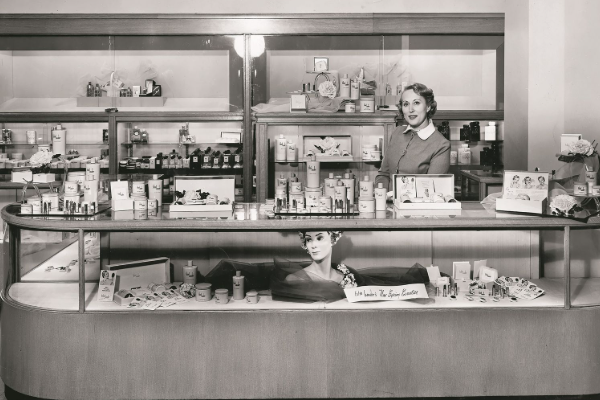
But Estée understood something that would become crucial to her success:
A beautiful formula wasn’t enough.
People had to experience it.
They had to touch it, smell it, try it and believe that it could make a difference to them.
That meant Estée became just as interested in selling the experience of beauty as she was in selling the product itself.
And that philosophy would soon take her far beyond small salon counters.
DID YOU KNOW?
Estée Lauder and her husband began their company in 1946 with only a handful of products, using the kitchen of a former restaurant to make them. Her first department-store breakthrough came when Saks Fifth Avenue placed an order for the brand.
The Saks Fifth Avenue Breakthrough
For a young beauty company, getting into a major department store could change everything.
For Estée Lauder, it did.
Estée persuaded Saks Fifth Avenue to carry her cosmetics, giving the young company exposure to a much larger and more prestigious customer base.
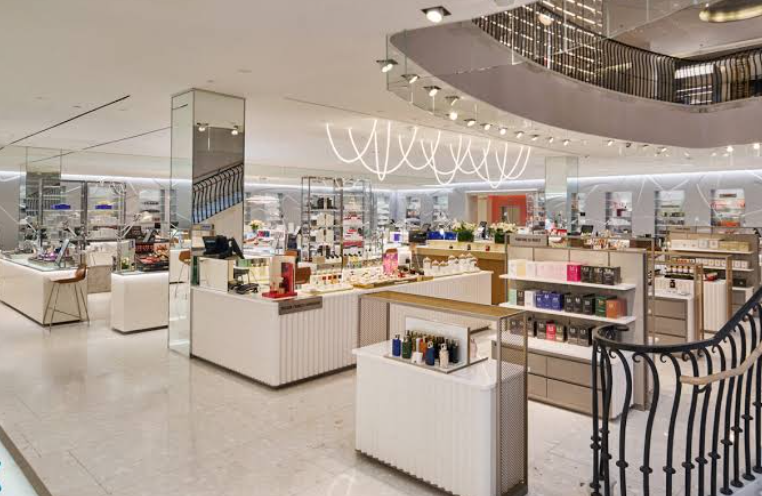
The first order became a defining moment.
Saks Fifth Avenue became Estée Lauder’s first major department-store breakthrough, giving the young company exposure to a much larger and more prestigious customer base.
But Estée wasn’t content to simply secure the counter and wait for customers to arrive.
She understood that the beauty business depended on personal connection.
She wanted women to experience the products.
She wanted them to understand what they were buying.
And she wanted them to associate the brand with something more memorable than a jar of cream.
That approach would become one of the most important parts of her business philosophy.
Estée Lauder wasn’t simply building a cosmetics company.
She was building a beauty experience.
And she was willing to put herself at the centre of it.
The Art of Giving Something Away
Today, samples and gifts-with-purchase are so familiar that they can feel like an ordinary part of beauty shopping.
For Estée Lauder, they became something much more strategic.
She believed in giving women the opportunity to experience a product before committing to it.
Estée herself later described the philosophy simply: give the customer something extra.
The strategy worked particularly well in the postwar beauty market, when consumers were increasingly interested in trying new products and discovering cosmetics for themselves. Estée helped turn sampling and the gift-with-purchase into a defining part of the beauty-shopping experience.
The idea was clever because it changed the relationship between customer and product.
Instead of saying:
“Here is a cream. Buy it.”
Estée’s approach was closer to:
“Try it. Experience it. Take something home. Then decide.”
That distinction mattered.
Beauty is an unusually personal category.
A customer can read about a skincare formula, but touching it is different.
She can hear that a fragrance is beautiful, but smelling it herself is different.
She can see a lipstick in an advertisement, but trying the colour is different.
Estée understood that experience could sell beauty more effectively than explanation.
And that insight would become one of the foundations of the Estée Lauder empire.
Youth-Dew: The Fragrance That Changed the Rules
By the early 1950s, Estée Lauder had already learned an important lesson: beauty products became much more powerful when women could experience them for themselves.
In 1953, she introduced Youth-Dew, a product that would change the direction of the business.
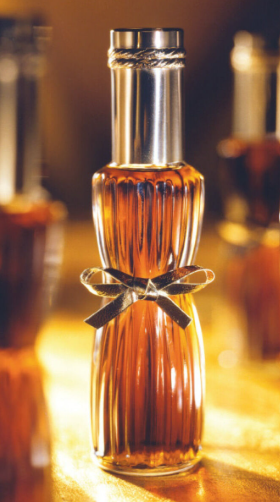
It was launched as a bath oil that could also be worn as a fragrance. At a time when perfume was often treated as something a woman expected to receive as a gift, Youth-Dew gave women a reason to buy fragrance for themselves.
The idea was commercially brilliant.
Instead of asking a husband or partner to buy an expensive bottle of perfume, a woman could purchase Youth-Dew as part of her own bathing ritual — and enjoy its fragrance at the same time.
The product became a major success, helping transform Estée Lauder from a small cosmetics company into a much more ambitious beauty business. Its success helped propel the company into a period of rapid growth and international expansion.
Youth-Dew wasn’t simply another successful product.
It demonstrated Estée’s ability to recognize a cultural opportunity and turn it into a beauty ritual.
And that ability would become one of her greatest strengths.
If you’re fascinated by the way fragrance can become part of a woman’s personal identity, explore our edit of The Best Luxury Perfumes for Women That Last All Day.
BEAUTY INSIGHT
Estée Lauder understood that a beauty product is rarely just a formula. The strongest products become rituals — something women enjoy using, talking about and making part of their everyday lives.
From One Counter to a Beauty Empire
Youth-Dew opened the door to something much bigger.
Estée Lauder continued expanding the company’s portfolio and its presence in prestigious department stores, while developing a business model built around personal selling, sampling and direct relationships with customers.
The company would eventually grow far beyond the small family operation Estée had started with her husband.
New brands and categories followed, including Aramis, introduced in 1964, and Clinique, launched in 1968.
The strategy was not simply to make more cosmetics.
It was to understand different consumers and create distinct beauty propositions for them.
That became a defining characteristic of the wider Estée Lauder Companies portfolio.
What had started with a handful of skincare products had become the foundation of a global beauty organization.
But Estée never completely lost the personal approach that had helped her build the business in the first place.
Even as the company expanded, she remained deeply involved in how products were presented and how customers experienced them.
Building a Beauty Universe
As the company grew, Estée Lauder began thinking beyond the idea of a single beauty brand.
The opportunity was not simply to sell more products. It was to understand that different consumers could be looking for completely different beauty experiences.
That thinking helped shape the company’s expansion into distinct brands, each with its own identity and purpose.
Aramis opened the door to prestige men’s fragrance and grooming, while Clinique introduced a more clinical approach to skincare and makeup. Rather than making every product feel like an extension of the original Estée Lauder line, the company could give each brand its own personality and point of view.
This was an important shift.
Estée was no longer building a brand around herself alone.
She was creating a structure that could allow multiple beauty identities to exist under one growing company.
That approach would eventually become central to the Estée Lauder Companies’ business model, with a portfolio spanning skincare, makeup, fragrance and beauty brands aimed at different consumers around the world.
The transformation was remarkable.
What began with Estée selling a handful of creams had evolved into something much larger: a collection of beauty worlds, each with its own story.
And that may have been one of Estée Lauder’s most enduring business ideas — that beauty doesn’t have to speak with one voice.
The Details Behind the Brand
For Estée Lauder, building a beauty company was never only about creating products.
She was equally interested in how those products were presented, explained and remembered.
When a new Estée Lauder store opened, Estée would often be there herself, spending time training beauty advisors on everything from sales techniques to merchandise presentation.
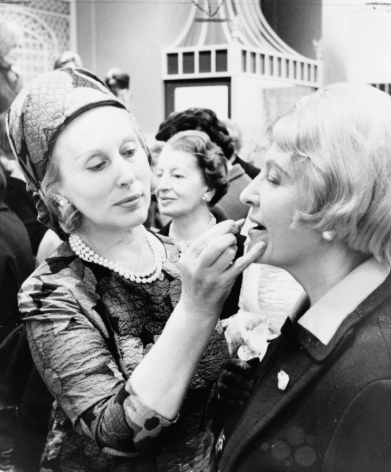
She also travelled extensively to meet department-store buyers and beauty editors, while speaking directly with customers to understand what they wanted.
That attention to detail extended to the brand’s visual identity.
Estée personally selected the company’s distinctive pale turquoise packaging colour because she believed it conveyed luxury while working beautifully with different bathroom interiors.
It was a small decision with a much bigger lesson behind it.
Estée understood that luxury is created through details.
The product mattered.
The person presenting it mattered.
The packaging mattered.
And the experience a customer had at the beauty counter mattered just as much.
This was part of what made Estée Lauder different from a company that simply manufactured cosmetics.
She was building a world around the products — one where every detail was designed to make beauty feel personal, polished and desirable.
Advanced Night Repair: A New Chapter in Skincare
Some of Estée Lauder’s most important innovations came long after the company had become established.
In 1982, the brand introduced Night Repair, now known as Advanced Night Repair.
Estée Lauder describes it as the world’s first night serum — an important moment in the evolution of modern skincare.
The significance of the product went beyond its success as a single formula.
It reflected a shift toward increasingly sophisticated skincare routines, where serums became an important step between cleansing and moisturizing.
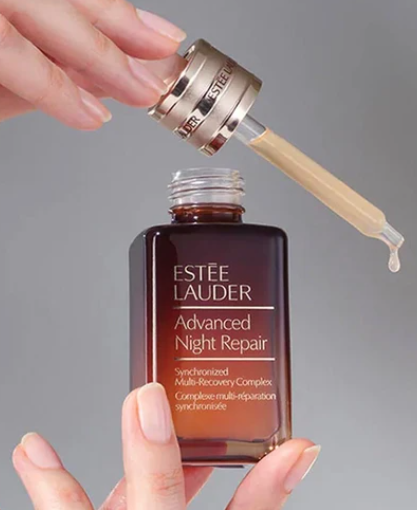
Advanced Night Repair would eventually become one of the brand’s most recognizable products and a lasting part of its skincare identity.
For more inspiration on building a considered skincare ritual, discover The Ultimate Luxury Skincare Routine: Morning & Night Steps for Glowing Skin.
Decades later, Estée Lauder’s portfolio would continue evolving with products such as Double Wear, which became a complexion icon, showing how the company could continue creating beauty staples long after its founder’s earliest breakthroughs.
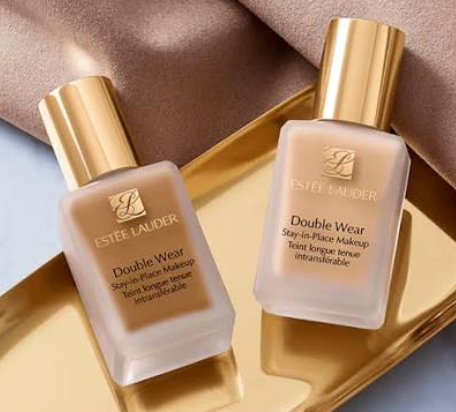
The business had changed dramatically since those first homemade creams.
But the underlying principle remained remarkably consistent:
Create something women want, then give them a reason to believe in it.
If you’re looking for more luxury complexion inspiration, read The Top Luxury Foundations That Look Like Real Skin.
The Woman Behind the Sales Counter
One of the most fascinating things about Estée Lauder’s story is how directly she was involved in selling her products.
She didn’t build her early business from behind a desk.
She travelled, approached department stores and personally demonstrated her products.
The Los Angeles Times described her travelling from store to store, dressed elegantly and carrying her cosmetics with her as she introduced herself and her products to department-store executives.
This personal approach became part of her legend — but it was also a very practical business strategy.
Estée knew her products intimately.
She could explain them.
She could demonstrate them.
And, perhaps most importantly, she could make people remember them.
Her approach to customers was similarly personal. She believed in giving women an experience rather than simply placing a product in front of them.
That philosophy helped establish a retail model in which beauty advisors, demonstrations, samples and personal recommendations became central to the customer experience.
For Estée, selling was never separate from storytelling.
The product had to have a story.
And the woman buying it had to feel part of that story.
Myth vs. Reality: Did Estée Lauder Make Youth-Dew in a Bathtub?
Few beauty stories are as charming as the legend that Estée Lauder supposedly created the first batch of Youth-Dew in her bathtub.
It sounds like the perfect beauty-industry origin story.
But there is an important problem with it:
Estée herself denied it.
In a 1985 interview with the Los Angeles Times, she was asked about the bathtub story and responded that it was not true. She explained that her early beauty business began with a small counter in a New York beauty shop and the skincare formulas she had learned to make with her uncle.
So the bathtub belongs in beauty folklore, not established history.
And perhaps the real story is even more interesting.
Estée didn’t need a bathtub to create a legendary beauty brand.
She needed persistence, an understanding of women and an extraordinary ability to sell an idea.
I never dreamed about success. I worked for it.
The Products That Became Beauty Icons
Estée Lauder’s legacy can be traced through the products that marked different stages of the company’s evolution.
Youth-Dew represented the moment when Estée challenged traditional fragrance-buying habits and encouraged women to purchase scent for themselves.
Advanced Night Repair represented a new era of sophisticated skincare and helped establish the serum as a central part of modern beauty routines.
Double Wear later became one of the company’s most recognizable complexion products, extending the brand’s legacy into long-wear makeup.
And fragrances such as Beautiful demonstrated how the company continued building emotional connections around scent long after Youth-Dew first changed the rules.
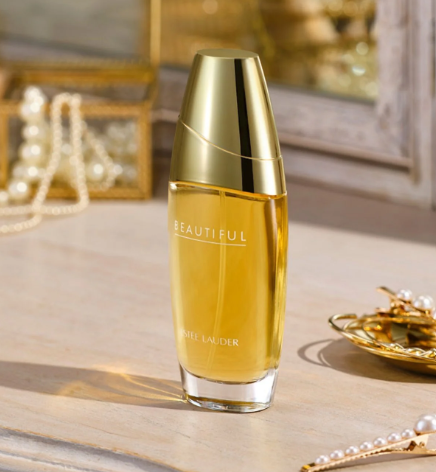
These aren’t simply famous products.
Together, they tell the story of a beauty company that continually reinvented how women approached skincare, makeup and fragrance.
What We Can Learn From Estée Lauder
Start with what you know
Estée’s earliest expertise came directly from learning how beauty formulas were made.
Let people experience the product
Sampling became one of her most powerful tools because she understood that beauty is personal.
Don’t underestimate persistence
Estée repeatedly approached retailers and customers instead of waiting for opportunities to appear.
Build a relationship, not just a transaction
Her personal selling style made customers feel seen and remembered.
Keep evolving
From Youth-Dew to Advanced Night Repair and Double Wear, the company continued creating new beauty categories and icons.
EDITOR’S NOTE
What makes Estée Lauder’s story so fascinating isn’t simply the size of the empire she created. It’s the fact that her original strengths — curiosity, persistence, personal connection and an instinct for beauty — remained visible throughout the company’s evolution.
The beauty industry continues to evolve through founders and cultural figures with a clear point of view, as explored in The Beauty Edit: Rihanna, featuring the story and influence of Fenty Beauty.
The Fancylicious Take
Estée Lauder’s story is ultimately a lesson in understanding what makes beauty personal.
She understood that a cream could become a ritual, a fragrance could become a form of self-expression and a sample could become the beginning of a relationship with a customer.
Her greatest achievement wasn’t simply creating a beauty company.
It was changing the way beauty was sold, experienced and remembered.
From a handful of creams made in the early days of the business to a global beauty empire, Estée Lauder built something much bigger than a cosmetics brand.
She built a name.
And that name continues to carry the same promise that helped her succeed in the first place: beauty should feel personal.
Estée Lauder is the second woman featured in The Beauty Edit, Fancylicious’ editorial series exploring the women, founders and visionaries who have shaped modern beauty.