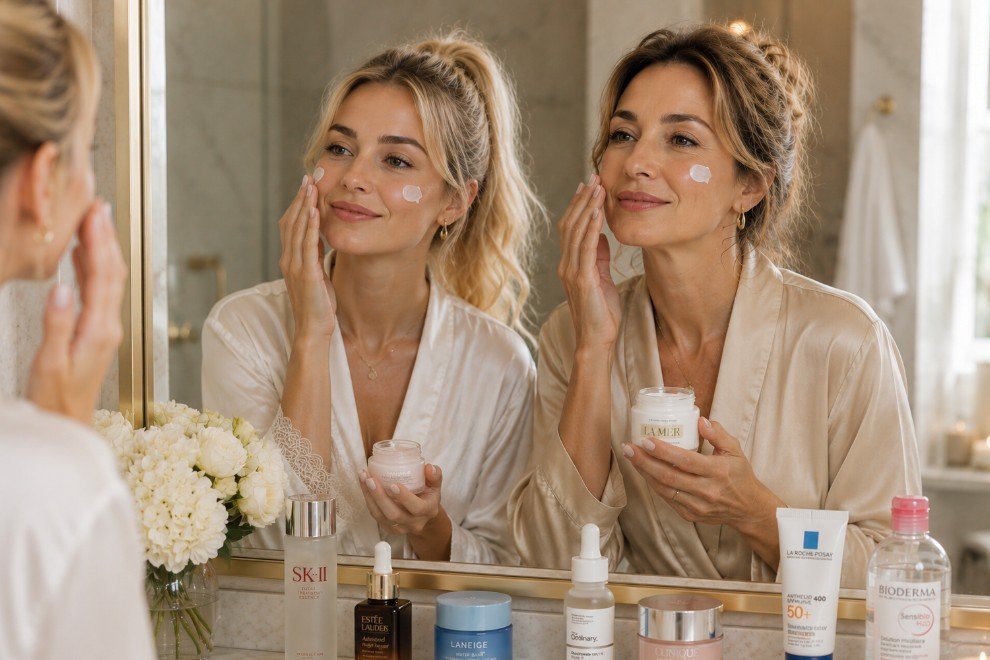
From lightweight layers and skin-barrier care to powerful active ingredients and targeted treatments, Korean and Western skincare often approach beauty from different perspectives. But is one really better than the other — or can the best routine borrow ideas from both?
Korean skincare has become one of the biggest influences in the global beauty industry. Essences, sheet masks, cleansing balms, glass-skin routines and innovative ingredients that were once unfamiliar to many Western consumers are now standard features on beauty shelves around the world.
But K-beauty is about more than a collection of trendy products.
At its core, Korean skincare tends to place considerable emphasis on prevention, hydration, consistency and maintaining a healthy skin barrier. Western skincare, meanwhile, has traditionally been associated more strongly with targeted treatments, dermatological ingredients and addressing specific concerns such as acne, pigmentation, wrinkles or uneven texture.
The distinction isn’t quite as simple as “Korean versus Western,” however. Both beauty industries have evolved considerably, and modern routines often borrow from each other.
So what really sets them apart?
1. The Philosophy Behind Korean Skincare
One of the most interesting differences is the way Korean skincare traditionally approaches the skin.
Rather than waiting until a particular concern becomes obvious and then treating it aggressively, the philosophy often centres around maintaining the skin in a healthy, hydrated and balanced state.
Hydration is particularly important.
Instead of thinking about moisture as something you add only when your skin feels dry, Korean routines often incorporate several lightweight hydrating products throughout the routine.
This can include toners, essences, serums, moisturisers and masks, with each layer serving a slightly different purpose.
The result isn’t necessarily a longer routine for the sake of having more products.
It’s about giving the skin what it needs in manageable layers.
2. The Western Approach: Target the Concern
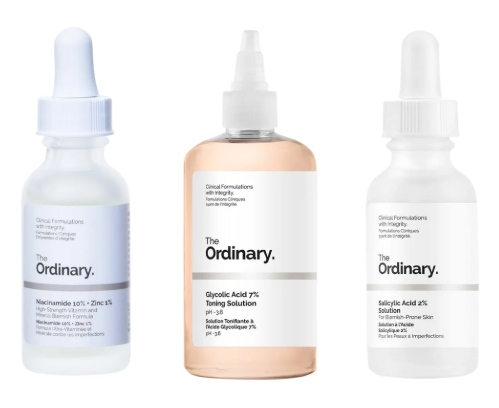
Western skincare has traditionally placed greater emphasis on targeted active ingredients and treatments.
Think of ingredients such as:
- Retinoids
- Vitamin C
- Salicylic acid
- Glycolic acid
- Lactic acid
- Benzoyl peroxide
- Niacinamide
These ingredients are often selected because they address a particular concern, whether that’s acne, pigmentation, signs of ageing or uneven texture.
This doesn’t mean Western skincare ignores hydration or prevention. Modern Western routines can be remarkably simple and barrier-focused too.
But the language surrounding skincare has often been more problem-and-solution oriented.
If you have acne, choose an ingredient designed for acne.
If you’re concerned about pigmentation, look for ingredients that target uneven tone.
If you’re looking at signs of ageing, consider ingredients with established evidence for improving the appearance of fine lines and texture.
3. K-Beauty Isn’t Necessarily About Ten Steps
The famous Korean “10-step routine” has probably done more to shape people’s perception of K-beauty than almost anything else.
But you don’t actually need ten products to benefit from Korean skincare principles.
A routine can be much simpler:
Cleanser → Toner or Essence → Serum → Moisturiser → SPF
The important idea is not the number of bottles sitting on your bathroom shelf.
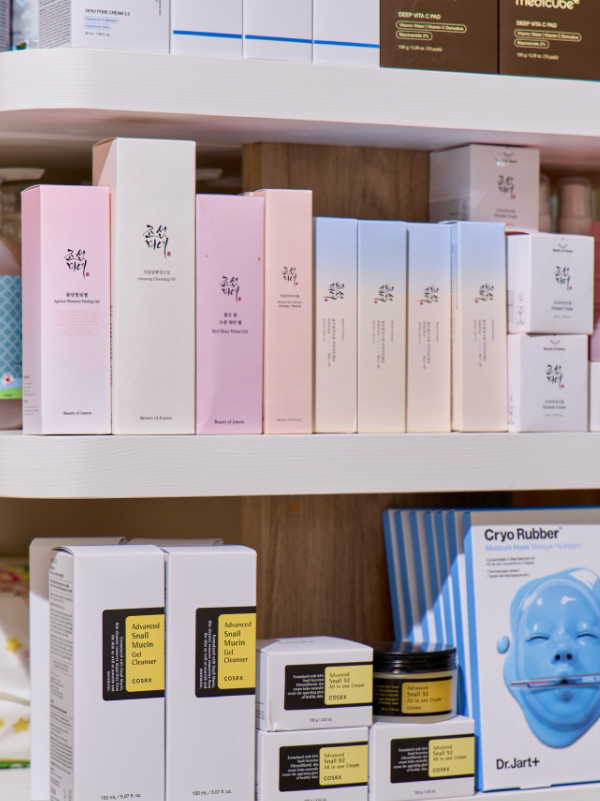
It’s understanding what each product is doing and whether your skin actually needs it.
Adding five serums simply because a routine contains five serums isn’t automatically better skincare.
In fact, introducing too many products at once can make it difficult to understand what is actually helping your skin.
DID YOU KNOW?
The idea of a multi-step Korean skincare routine is often presented as a fixed formula, but K-beauty is better understood as a flexible approach. You can adapt the number of products to your skin, lifestyle and concerns.
4. Hydration Takes Centre Stage
If there is one characteristic strongly associated with Korean skincare, it is hydration.
K-beauty routines frequently use multiple lightweight products rather than relying on one heavy moisturiser.
A hydrating toner can add moisture after cleansing. An essence can provide another lightweight layer. A serum can address hydration or a specific concern, followed by moisturiser to help support the skin barrier.
This layering approach can be particularly appealing if you dislike heavy textures.
Instead of applying one thick product, you can build a routine from several lightweight formulas.
The result can feel more comfortable, particularly for people who prefer fresh, dewy-looking skin.
5. The Importance of the Skin Barrier
The skin barrier has become one of the biggest conversations in modern skincare, and Korean beauty has long placed emphasis on keeping the skin hydrated and comfortable rather than constantly stripping or aggressively treating it.
A compromised barrier can leave skin feeling dry, tight, irritated or unusually sensitive.
This is one reason the K-beauty philosophy often favours gentle cleansing, hydration and products designed to support the skin rather than continually pushing it through intense treatments.
That doesn’t mean active ingredients should be avoided.
It means they should be introduced thoughtfully.
A sophisticated skincare routine isn’t necessarily the one with the strongest ingredients.
It’s the one your skin can tolerate consistently.
6. Cleansing: The Famous Double Cleanse
Double cleansing is another practice strongly associated with Korean skincare.
The idea is straightforward.
First cleanse
An oil-based cleanser, cleansing balm or similar product helps dissolve makeup, sunscreen and oil-based impurities.
Second cleanse
A water-based cleanser then removes remaining residue and cleanses the skin more thoroughly.
This can be particularly useful at night if you’ve been wearing makeup or sunscreen throughout the day.
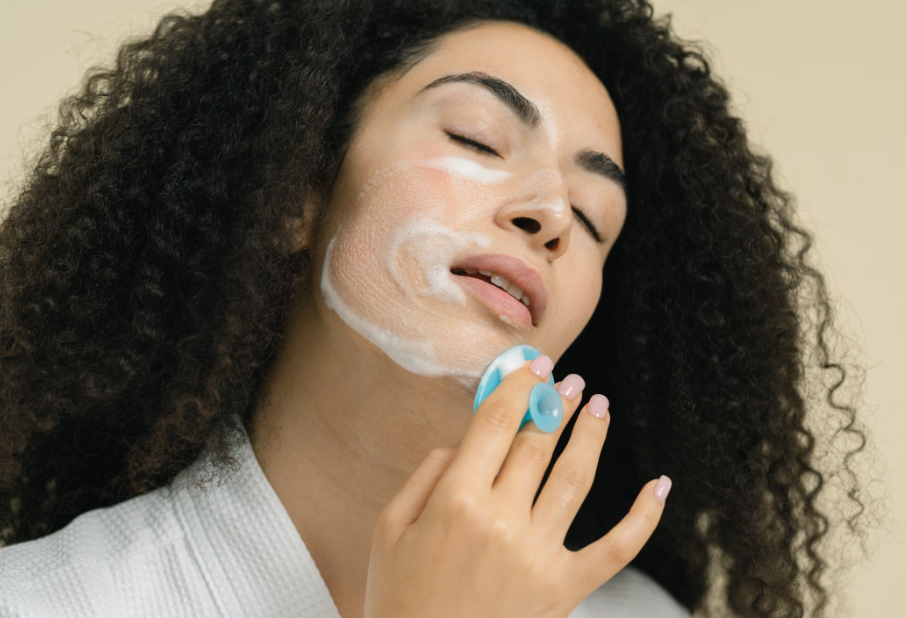
However, double cleansing isn’t necessarily something everyone needs to do every morning and evening.
The goal is to cleanse effectively without leaving the skin feeling stripped or uncomfortable.
And if you’re living somewhere hot and humid, sunscreen and makeup can become an especially important part of your evening cleansing routine. Our guide to Humidity-Proof Makeup explores how to keep makeup looking fresh in challenging conditions.
7. Essences: The Step Western Routines Often Skip
One of the products most closely associated with K-beauty is the essence.
An essence generally sits somewhere between a toner and a serum in terms of texture and purpose, although formulations vary considerably between brands.
Some focus primarily on hydration, while others may contain ingredients designed to brighten, soothe or support the skin barrier.
The important thing to understand is that an essence isn’t an essential category simply because it’s Korean.
If your existing routine already gives your skin enough hydration, you may not need one.
But if you enjoy lightweight layers and want to add another hydrating step without the heavier feel of a cream, an essence can be an interesting addition.
STYLE TIP
Don’t add a new skincare step just because it is trending. Introduce one product at a time and give your skin enough time to show you whether the addition is actually worthwhile.
8. Sheet Masks and the K-Beauty Ritual
Sheet masks are perhaps one of the most recognisable K-beauty products.
Unlike traditional wash-off masks, sheet masks are designed to sit directly against the skin while delivering a concentrated dose of a product’s ingredients.
Their appeal isn’t only functional.
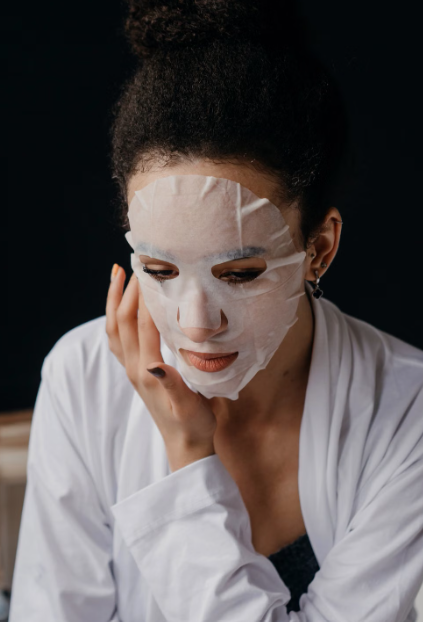
There is also a ritual element to Korean skincare that makes beauty feel like a moment of self-care rather than simply another task.
A sheet mask can become part of a slower evening routine, particularly before an occasion when you want your skin to feel hydrated and refreshed.
But again, more isn’t automatically better.
A sheet mask can be a pleasant addition to a routine without becoming a mandatory daily step.
9. Korean Skincare and Western Skincare Are Already Blending
The biggest surprise may be that the distinction between Korean and Western skincare is becoming increasingly blurred.
Western brands now sell cleansing balms, essences and barrier-focused products.
Korean brands increasingly formulate products around familiar active ingredients such as retinoids, vitamin C and exfoliating acids.
Consumers are also mixing products from both markets without thinking twice about it.
You might use a Korean hydrating essence, a Western retinoid, a Korean moisturiser and whichever sunscreen works best for you.
And there is absolutely nothing wrong with that.
The best routine doesn’t need to belong to one beauty philosophy.
It needs to work for your skin.
The differences between Korean and Western skincare become even more interesting when you look at ingredients, product textures and the way routines are built around specific skin concerns.
But the two approaches aren’t opposites. Many of the same ingredients appear in both markets, and modern skincare increasingly combines ideas from both.
10. Korean Ingredients You See Everywhere
Korean skincare has introduced — or helped popularise — several ingredients that have become familiar worldwide.
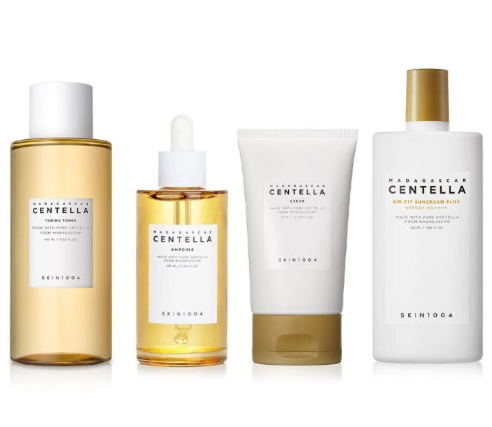
Centella Asiatica
Often called cica, centella is widely used in products designed to soothe and support the skin.
It is particularly associated with calming formulations and barrier-focused routines.
Snail Mucin
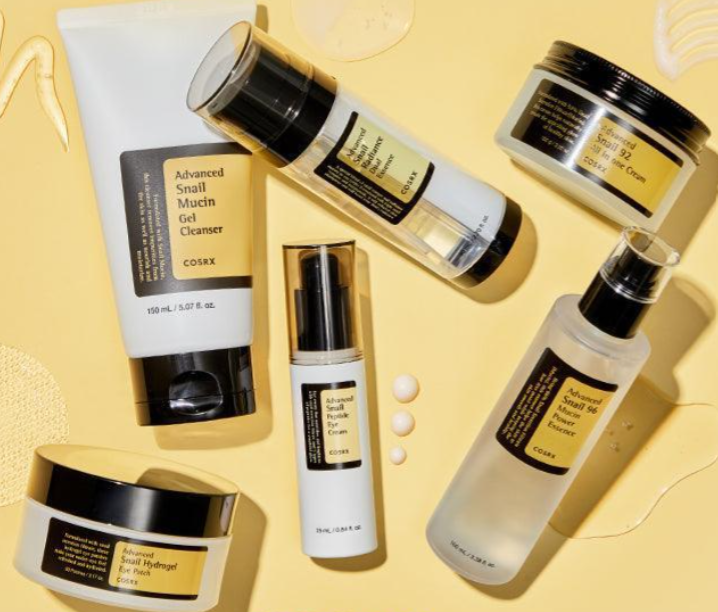
Snail mucin became one of the defining ingredients of modern K-beauty.
A well-known example is COSRX Advanced Snail 96 Mucin Power Essence, which contains 96% snail mucin and is designed as a hydrating essence.
Rice
Rice extract is another familiar ingredient in Korean skincare, particularly in products focused on hydration and brightening.
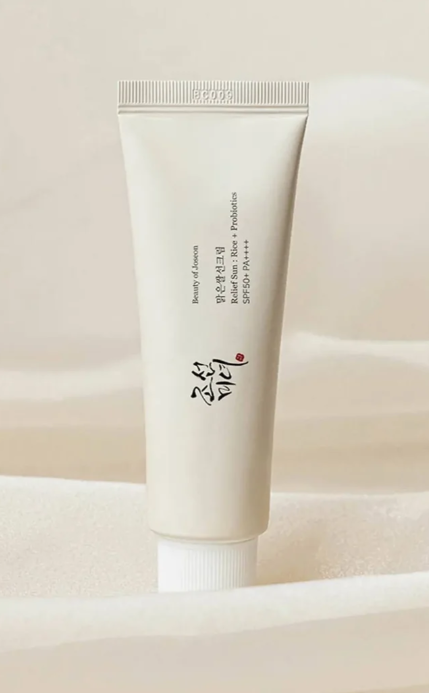
Beauty of Joseon Relief Sun: Rice + Probiotics SPF50+ PA++++, for example, combines rice extract with fermented grain extracts in a lightweight sunscreen formula.
Fermented Ingredients
Fermentation is another area strongly associated with Korean beauty formulations. Ingredients derived from fermented grains and other sources appear across essences, serums and moisturisers.
The broader appeal is consistent with the K-beauty philosophy of combining interesting ingredients with comfortable, layerable textures.
11. Western Skincare’s Strength: Targeted Actives
Western skincare has a strong reputation for targeted active ingredients, and this is one area where a Western product can be an excellent addition to a Korean-inspired routine.
Retinoids, vitamin C, exfoliating acids and acne-focused ingredients can all play a role depending on what someone is trying to address.
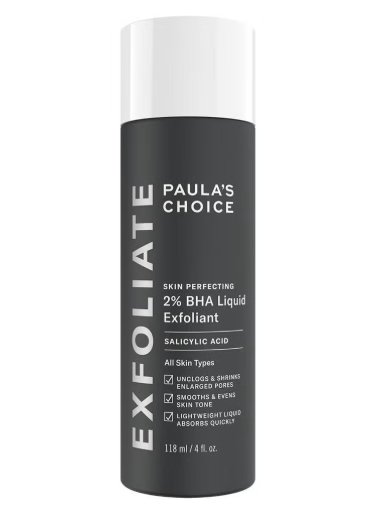
For example, The Ordinary Retinol 1% in Squalane is a targeted retinoid product, while Paula’s Choice Skin Perfecting 2% BHA Liquid Exfoliant uses salicylic acid for exfoliation.
The important distinction isn’t that Korean products don’t contain actives or Western products don’t hydrate. Both do.
It’s that Western skincare has traditionally been particularly associated with directly targeting a specific concern with a concentrated treatment.
If you’re interested in understanding how to choose and use serums more effectively, our guide to Serums explores what these concentrated products can add to a skincare routine.
12. The Sunscreen Difference
Sunscreen is one of the areas where Korean skincare has had an enormous influence on consumer expectations.
Modern Korean sunscreens are often designed to feel more like skincare than traditional sun protection, with lightweight textures that make daily application easier.
A good example is Beauty of Joseon’s Relief Sun: Rice + Probiotics SPF50+ PA++++, which combines rice extract and fermented grain extracts in a lightweight formula.
Another popular Korean option is Round Lab Birch Juice Moisturizing Sunscreen SPF50+ PA++++, known for its moisturising texture.
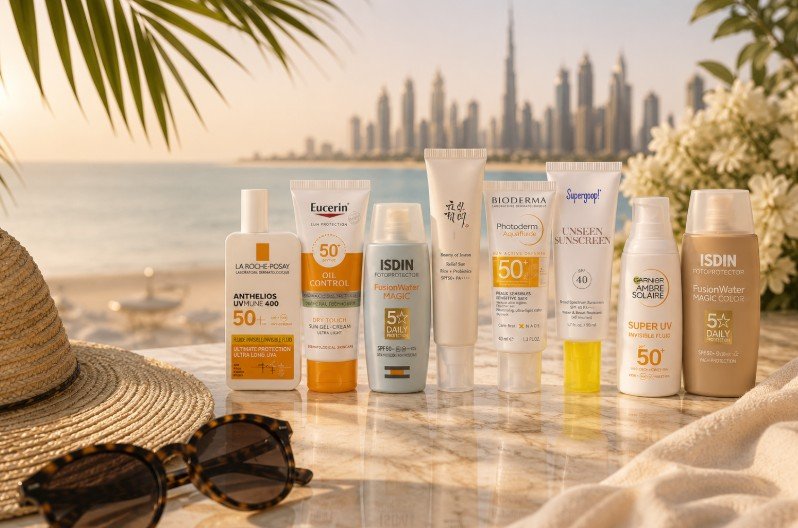
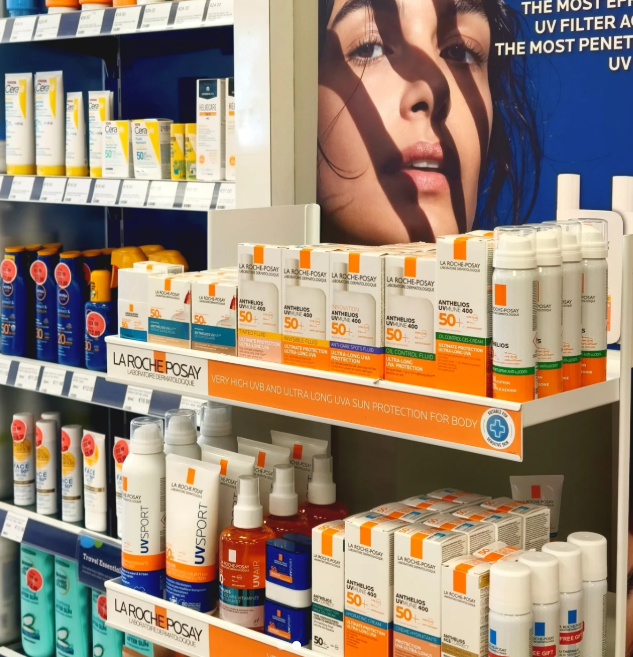
Western skincare also offers highly developed daily sunscreens. La Roche-Posay Anthelios UVMune 400 SPF50+ is an example of a high-protection sunscreen designed for daily use, while Supergoop! Unseen Sunscreen SPF 40 is known for its lightweight, invisible finish.
Regardless of where the product comes from, the most important consideration is choosing a sunscreen you are comfortable applying consistently and generously.
Choosing the right sunscreen is particularly important when SPF is part of your everyday routine. For more guidance on finding the right product, see our Best SPF for Everyday Protection guide.
Skincare is not about having more products. It is about understanding what your skin needs
13. Is Glass Skin Really the Goal?
The phrase “glass skin” has become almost synonymous with Korean beauty.
It describes an extremely smooth, hydrated and luminous-looking complexion that appears almost glass-like.
But it is worth separating the aesthetic from the actual skincare philosophy.
Healthy-looking skin doesn’t need to be completely poreless, perfectly reflective or free from every natural texture.
Your skin has pores.
It has lines.
It changes with the weather, age and environment.
The more useful lesson from the glass-skin trend is the emphasis on hydration, consistency and a healthy-looking complexion, rather than trying to make real skin look like a filter.
14. Do You Really Need a 10-Step Routine?
Probably not.
The famous ten-step routine can be useful for understanding the different categories of Korean skincare, but it shouldn’t be treated as a requirement.
A sophisticated routine might contain only:
Morning:
Cleanser → Hydrating step → Moisturiser → SPF
Evening:
Cleanser → Treatment → Moisturiser
You can add an essence, serum, eye product or mask if there is a genuine reason for doing so.
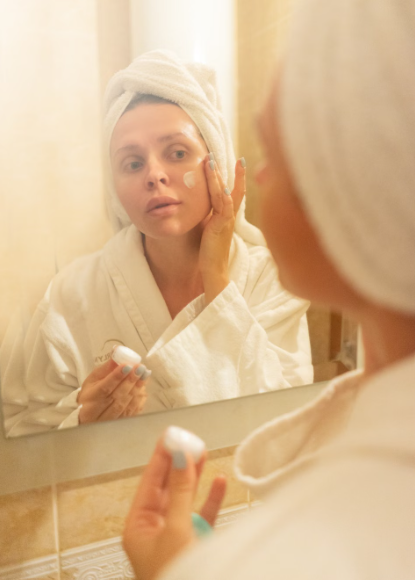
The important question isn’t:
“How many steps do I have?”
It’s:
“Does every step serve a purpose?”
If you’re unsure how to structure your own routine, our Skincare Routine guide explains how to build a practical regimen without making it unnecessarily complicated.
15. When K-Beauty Makes Sense
Korean skincare can be particularly appealing if you enjoy:
- Lightweight textures
- Hydrating layers
- Gentle routines
- Dewy finishes
- Barrier-focused products
- Comfortable daily SPF
- Skincare rituals
- Trying innovative ingredients
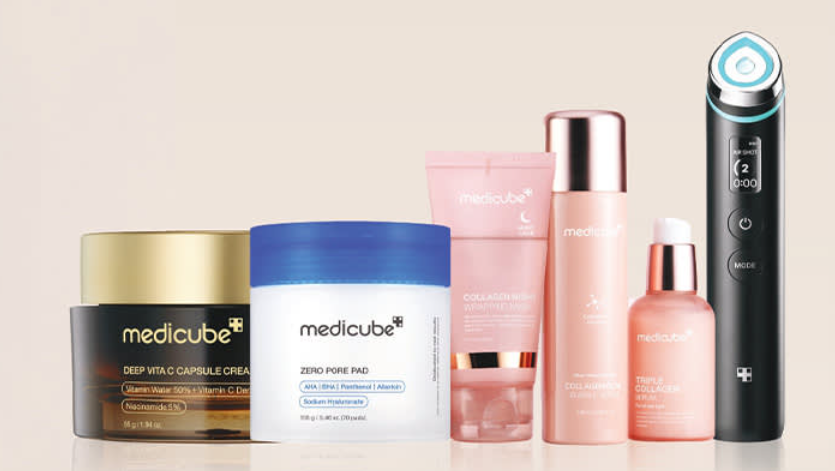
It can also be appealing if you enjoy experimenting with different textures and layering products without necessarily making every step highly active.
16. When Western Skincare Makes Sense
Western skincare can be a strong choice if you prefer:
- Fewer products
- Targeted treatments
- Well-known active ingredients
- Straightforward routines
- Dermatology-inspired formulations
- Specific acne or ageing concerns
Again, this isn’t an argument that one approach is better.
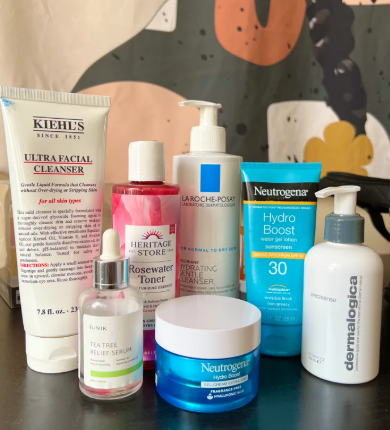
It is about what you want your skincare routine to accomplish.
EDITOR’S NOTE
The most luxurious skincare routine isn’t necessarily the one with the most beautiful bottles on the shelf. It is the one you enjoy using consistently — and that leaves your skin comfortable rather than overwhelmed.
17. The Best Routine May Be a Hybrid
This is where the Korean-versus-Western debate becomes much less interesting.
Why choose one?
A hybrid routine allows you to take the elements you genuinely like from both approaches.
For example:
Cleanser:
Choose whichever formula cleanses comfortably without leaving your skin feeling stripped.
Hydrating layer:
A Korean toner or essence can provide the lightweight hydration many people enjoy.
Targeted serum:
Choose an active based on your particular skincare goal rather than where the brand comes from.
Moisturiser:
Look for something that supports your skin’s comfort and barrier.
SPF:
Choose a sunscreen you enjoy wearing generously and consistently.
This approach gives you the K-beauty philosophy of layering and comfort without giving up the targeted treatments that have become central to modern Western skincare.
18. Korean vs. Western Skincare: Products to Know
The easiest way to understand the difference between the two approaches is to look at real products.
You don’t need to buy an entire routine from one country. Instead, think about what you want each product to do.
| Category | Korean examples | Western examples |
|---|---|---|
| Cleanser | COSRX Low pH Good Morning Gel Cleanser; Beauty of Joseon Green Plum Refreshing Cleanser | CeraVe Hydrating Facial Cleanser; La Roche-Posay Toleriane Hydrating Gentle Cleanser |
| Essence / Hydration | COSRX Advanced Snail 96 Mucin Power Essence; SKIN1004 Madagascar Centella Probio-Cica Essence Toner | Estée Lauder Advanced Night Repair; Clinique Moisture Surge™ 100H Auto-Replenishing Hydrator |
| Serum | Beauty of Joseon Glow Serum; Anua Niacinamide 10% + TXA 4% Serum | The Ordinary Niacinamide 10% + Zinc 1%; Paula’s Choice 10% Niacinamide Booster |
| Moisturiser | Laneige Water Bank Blue Hyaluronic Cream; Dr. Jart+ Ceramidin Cream | CeraVe Facial Moisturising Lotion; Clinique Dramatically Different Moisturizing Lotion+ |
| SPF | Beauty of Joseon Relief Sun; Round Lab Birch Juice Moisturizing Sunscreen | La Roche-Posay Anthelios UVMune 400; Supergoop! Unseen Sunscreen |
| Targeted treatment | COSRX BHA Blackhead Power Liquid; Beauty of Joseon Revive Eye Serum | Paula’s Choice 2% BHA Liquid Exfoliant; The Ordinary Retinol 1% in Squalane |
The point isn’t to decide which column wins.
It’s to show that both markets offer products across the same fundamental categories, but often approach texture, formulation and the overall skincare experience differently.
19. How to Build Your Own Korean-Western Routine
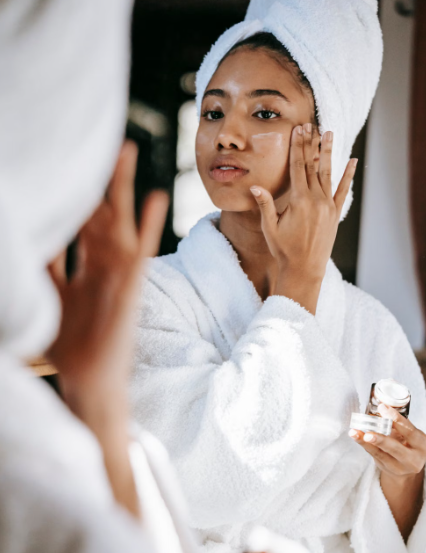
Rather than copying someone else’s ten-step routine, start with the basics.
Step 1: Cleanse
Choose a cleanser that leaves your skin clean but comfortable.
Step 2: Hydrate
Add a toner or essence if your skin benefits from an additional lightweight layer.
Step 3: Treat
Choose one or two targeted products based on what you actually want to address.
Step 4: Moisturise
Use a moisturiser appropriate for your skin’s needs and the climate you’re in.
If you’re particularly interested in finding a moisturizer with a lightweight texture that works well in Dubai, our guide to Top Moisturizers for Dubai Weather: Hydration Without the Heavy Feel explores options across different skincare preferences and budgets.
Step 5: Protect
Finish your morning routine with sunscreen.
Then give the routine time.
Constantly changing products makes it difficult to know what is actually working.
20. So, Which Is Better: Korean or Western Skincare?
There isn’t a universal winner.
Korean skincare has helped popularise hydration, gentle layering, comfortable textures, innovative ingredients and the idea of prevention as part of everyday skincare.
Western skincare has traditionally been particularly strong in targeted treatments and active ingredients.
But the modern beauty consumer doesn’t have to choose between them.
The smartest approach may simply be to take the parts that make sense for you.
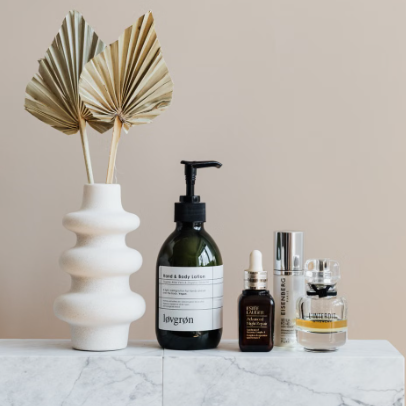
You can enjoy a Korean essence, use a Western treatment, choose a Korean sunscreen and finish with whichever moisturiser your skin prefers.
The labels matter far less than the formulation, the ingredients and how consistently you use the products.
Final Thoughts
The biggest lesson from the K-beauty phenomenon isn’t that everyone needs ten skincare steps.
It’s that skincare can be both effective and enjoyable.
Korean beauty has encouraged consumers to think about hydration, prevention, skin comfort and daily sun protection, while Western skincare continues to offer highly targeted approaches for specific concerns.
The two worlds are no longer as separate as they once appeared.
And perhaps that’s the most useful conclusion of all: you don’t need to choose a skincare camp.
Build a routine that makes sense for your skin, your lifestyle and your environment — then keep the products that genuinely earn their place on your shelf.
Whichever skincare philosophy you prefer, properly prepared skin can make a significant difference to how makeup sits and looks. For the next step in your beauty routine, explore the top luxury foundations that look like real skin.