Discover the Breathtaking Real Locations Behind Christopher Nolan’s Epic
“Some movies entertain us for two hours. Others make us dream about booking a flight.”
That was exactly my first thought after leaving the cinema.
Christopher Nolan’s The Odyssey isn’t just another blockbuster—it’s a visual journey through some of the most spectacular landscapes on Earth. Every sweeping coastline, ancient fortress and dramatic cave feels almost too beautiful to be real.
The surprising part?
Most of them are.
Instead of relying heavily on digital sets, Nolan once again embraced real-world locations, travelling across multiple countries to recreate Homer’s legendary adventure. The result is a film that feels authentic, timeless and incredibly immersive.
If, like me, you found yourself wondering, “Where is that beach?” or “Can you actually visit that castle?”, you’re in the right place.
Let’s follow Odysseus’ footsteps—one breathtaking destination at a time.
The real star of The Odyssey might just be the world itself.
Greece: Where Myth Meets Reality
There couldn’t have been a more fitting place to begin.
Greece isn’t simply one of the filming locations—it’s the heart of Homer’s original story. Rather than recreating ancient landscapes inside a studio, Christopher Nolan chose to bring his cast to the very country where Odysseus’ legend was born.
Many of the Greek scenes were filmed in the Peloponnese, a region filled with archaeological treasures, medieval fortresses and some of Europe’s most spectacular beaches.
Standing there today, it’s easy to understand why this landscape has inspired storytellers for nearly three thousand years.
Voidokilia Beach: A Perfect Circle of Paradise
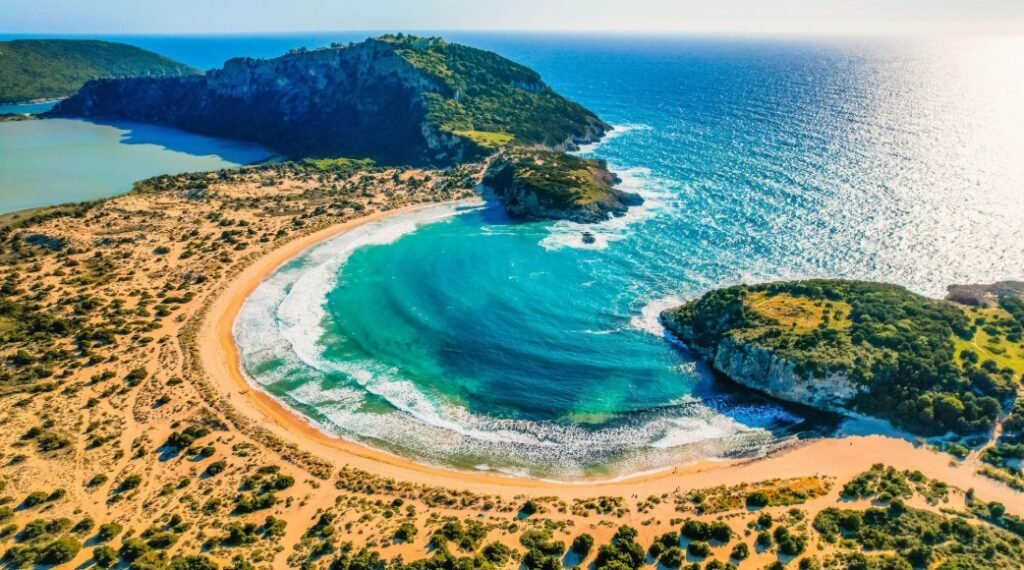
Among all the locations featured in the movie, few are as instantly recognisable as Voidokilia Beach.
Seen from above, its almost perfect horseshoe shape looks more like an artist’s sketch than a real coastline. Crystal-clear turquoise water gently meets soft golden sand, creating one of Greece’s most photographed beaches.
It isn’t difficult to imagine ancient Greek heroes arriving here after weeks at sea.
The production chose this extraordinary location because it already looks mythical—no visual effects required.
Today, visitors can freely swim, hike the surrounding trails or simply admire one of the Mediterranean’s most beautiful natural landscapes.
Nestor’s Cave: Home of the Cyclops
Just above Voidokilia Beach lies one of the movie’s most fascinating locations.
Nestor’s Cave served as the setting for the terrifying encounter with Polyphemus, the Cyclops. Rather than constructing an artificial cave on a soundstage, Nolan filmed inside a genuine natural cavern overlooking the sea.
The cave is already surrounded by mythology.
According to local tradition, it was once connected with King Nestor, one of the wise rulers who appears in Homer’s epic poems.
Walking inside today, the combination of rugged limestone walls, filtered sunlight and sweeping sea views makes it surprisingly easy to imagine why filmmakers—and storytellers before them—continue to be drawn here.
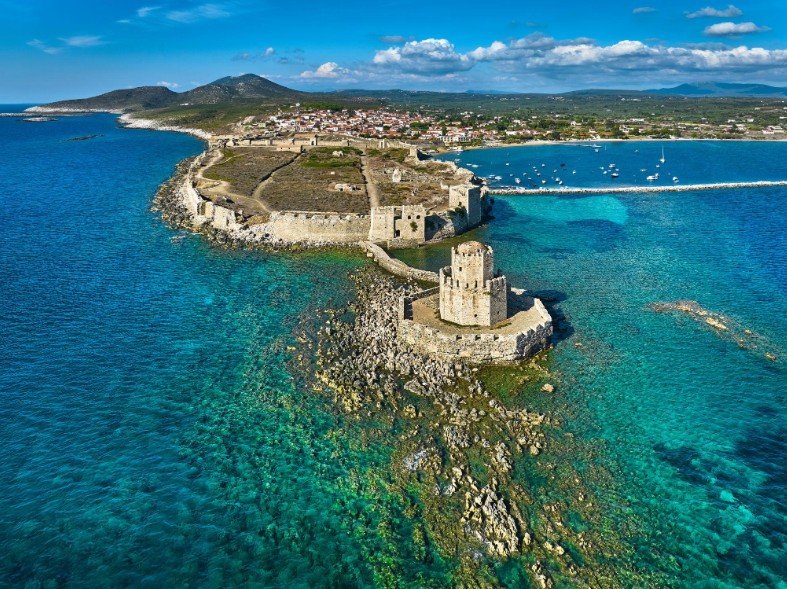
Methoni Castle: A Fortress Frozen in Time
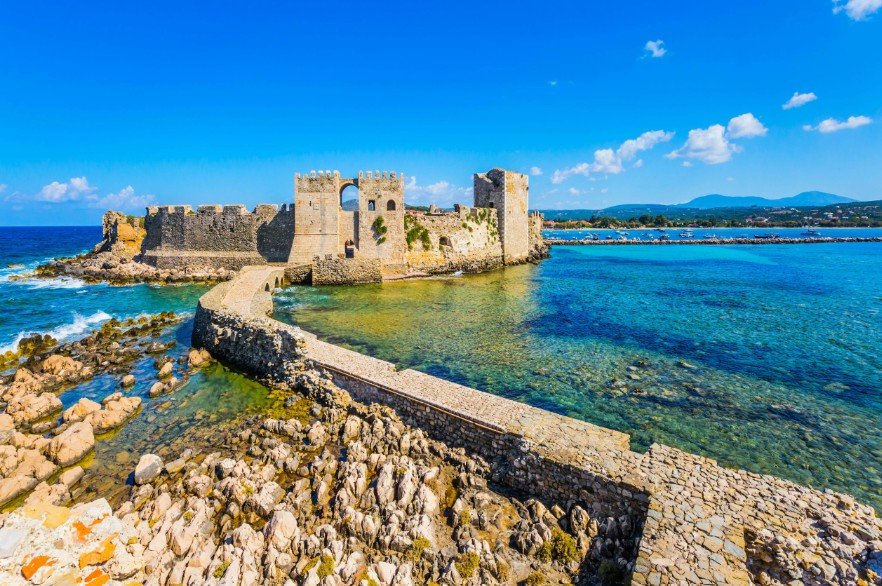
If you’ve ever dreamed of wandering through an ancient fortress surrounded by the sea, Methoni Castle deserves a place on your travel bucket list.
Originally built during the medieval period, the vast stone fortress stretches into the water, connected to the mainland by a long stone bridge.
Its dramatic silhouette made it an ideal backdrop for several scenes in The Odyssey, adding a sense of timeless grandeur that simply couldn’t be recreated digitally.
Standing on its walls today, with waves crashing below and endless views across the Ionian Sea, it’s easy to understand why Nolan preferred authenticity over computer-generated landscapes.
DID YOU KNOW?
Many of the Greek filming locations are open to visitors.
Unlike movie sets built inside studios, places like Voidokilia Beach, Nestor’s Cave and Methoni Castle can all be explored in real life, making them perfect destinations for film lovers and travellers alike.
Sicily: The Island That Became Ithaca
From Greece, the production continued west to one of Italy’s most beautiful islands.
If you’ve never heard of Favignana, don’t be surprised.
Hidden just off the coast of Sicily, this Mediterranean island feels wonderfully untouched. White limestone cliffs plunge into impossibly blue water, tiny fishing boats drift in quiet harbours, and winding roads lead to breathtaking viewpoints.
It’s exactly the sort of place you’d imagine Odysseus longing to return to.
That is precisely why the island was chosen to represent parts of Ithaca, Odysseus’ homeland.
Castello di Santa Caterina
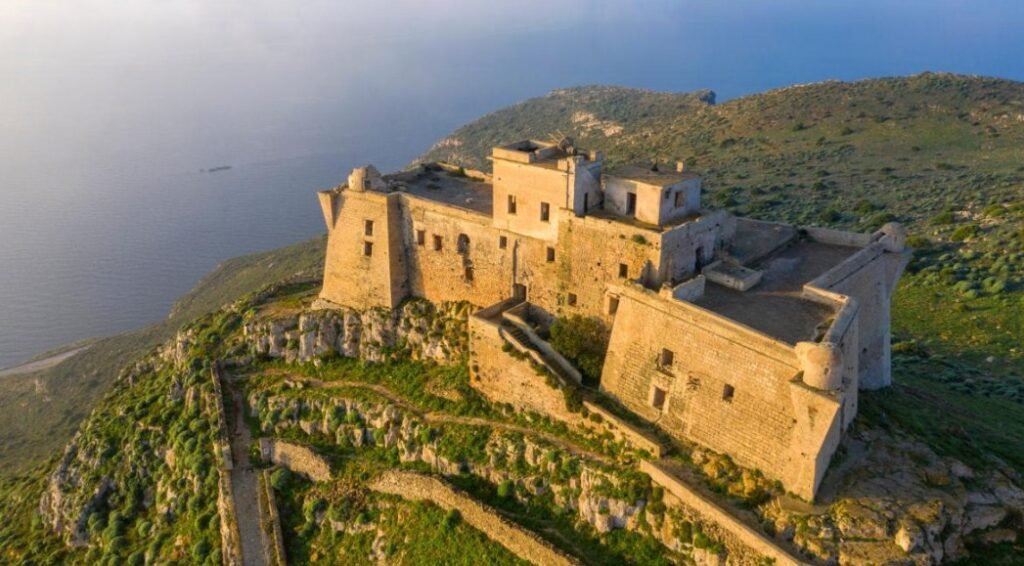
High above Favignana stands the dramatic Castello di Santa Caterina.
Perched on the island’s highest point, the fortress offers panoramic views stretching across the Mediterranean.
The climb isn’t easy—even members of the production reportedly faced the challenge of reaching the castle every day before helicopter support was introduced for some equipment and personnel.
That commitment perfectly reflects Christopher Nolan’s filmmaking philosophy.
Rather than making things easier with green screens, he consistently chooses real places—even when they’re considerably harder to reach.
The Aeolian Islands: Where the Wind Comes Alive
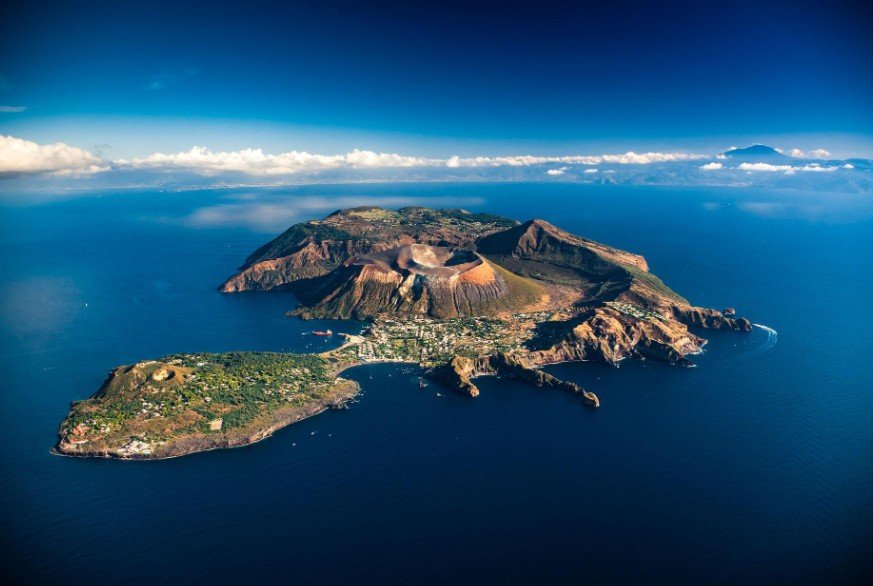
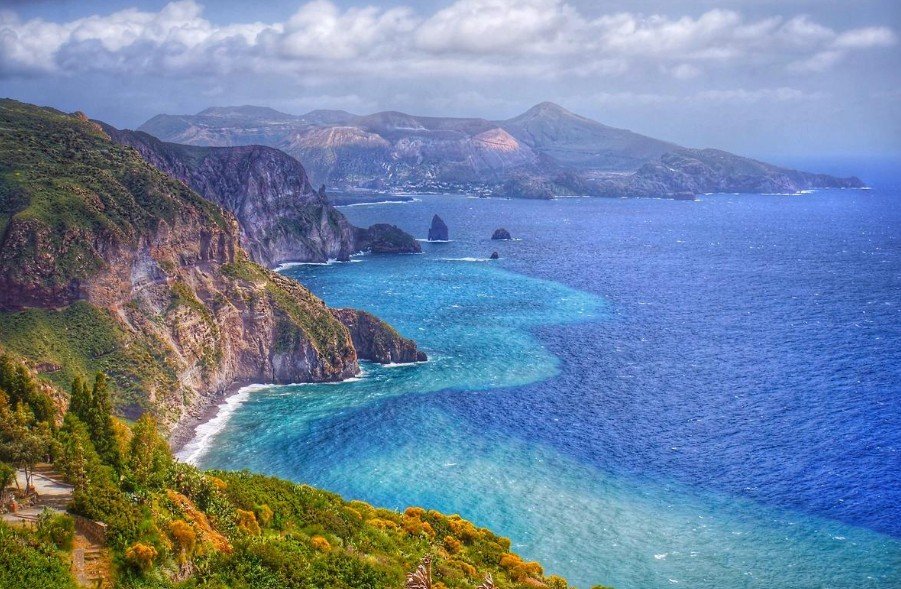
The production also travelled through the Aeolian Islands, including Lipari and Vulcano, whose dramatic volcanic landscapes became the mythical realm of Aeolus, the keeper of the winds.
With rugged cliffs rising from the sea, steaming volcanic terrain and constantly changing light, these islands almost feel like another planet.
Sometimes nature creates the most convincing movie set imaginable.
EDITOR’S NOTE
One of my favourite things about The Odyssey is that it reminds us how extraordinary our own planet already is. In an age where almost anything can be created digitally, there’s something magical about recognising that many of these breathtaking landscapes are places we could actually visit one day.
Morocco: The Ancient City That Became Troy
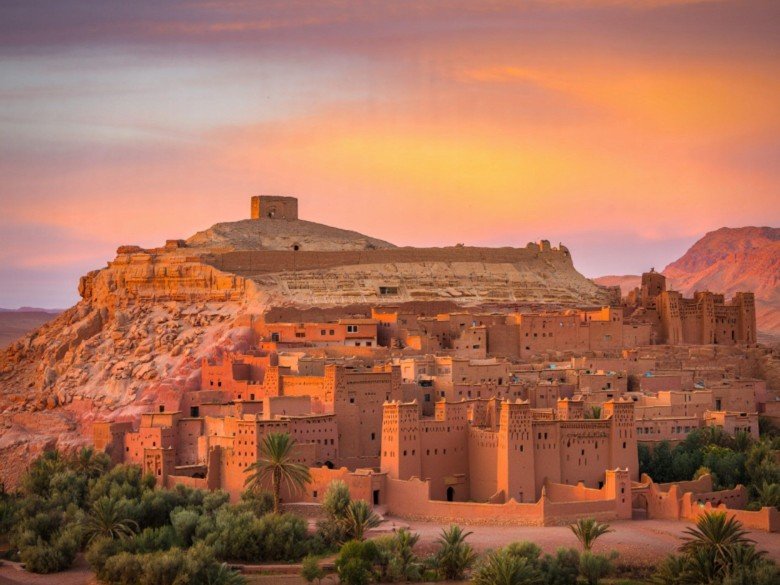
Few places in the world feel as though they’ve stepped straight out of ancient history quite like Aït Benhaddou.
Located on the edge of Morocco’s Sahara Desert, this UNESCO World Heritage Site has appeared in countless historical epics over the years. Yet in The Odyssey, it takes on one of its most iconic roles—the legendary city of Troy. Its maze of earthen buildings, towering walls and narrow alleys provided the perfect backdrop without the need for elaborate digital reconstruction.
Walking through Aït Benhaddou today feels remarkably similar to stepping into the film itself. Every corner tells a story, and every rooftop offers breathtaking views across the desert landscape.
It’s easy to understand why Christopher Nolan chose authenticity over a computer-generated city.
Essaouira: Where the Ocean Never Stops Telling Stories
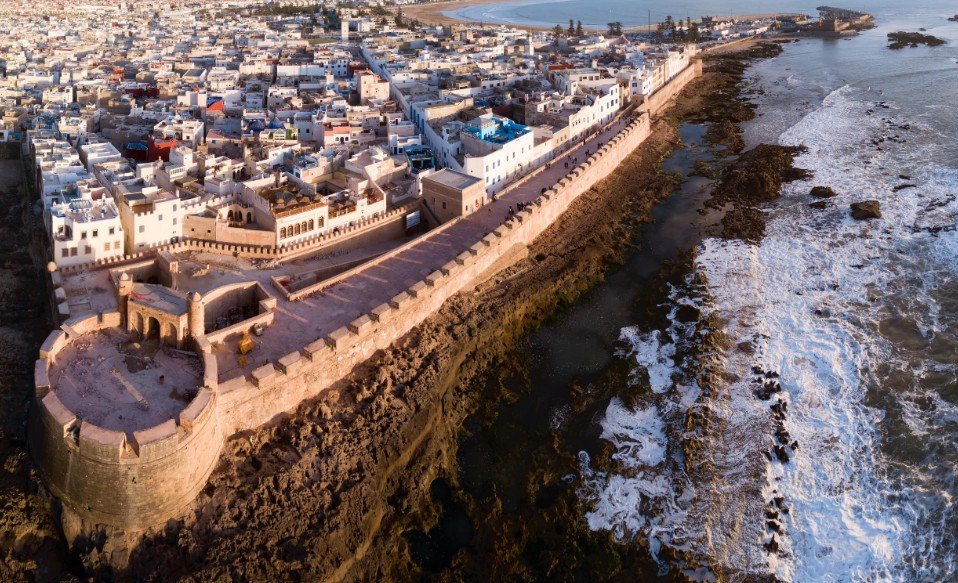
The production also filmed in Essaouira, Morocco’s charming Atlantic port city.
Unlike the sun-drenched Mediterranean landscapes seen elsewhere in the film, Essaouira offers something entirely different. Strong Atlantic winds, crashing waves and centuries-old stone walls create an atmosphere that’s both mysterious and dramatic.
For a story built around one man’s unpredictable journey across the sea, it couldn’t have been a more fitting choice.
TIP
Planning a movie-inspired trip?
If The Odyssey has inspired your next holiday, consider visiting during spring or early autumn. Greece, Sicily and Morocco all offer pleasant temperatures, fewer crowds and beautiful natural light—perfect for experiencing these locations at their best.
Scotland: Wild Cliffs Worthy of a Legend
Scotland may not immediately come to mind when thinking about Ancient Greece.
Yet Christopher Nolan has never been interested in choosing locations simply because they’re geographically accurate. He’s interested in emotion.
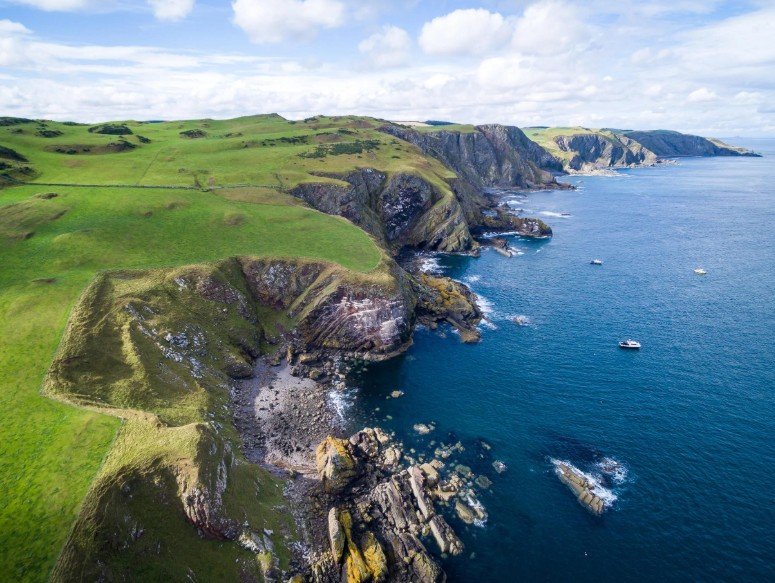
And few places capture raw power quite like Scotland’s northeastern coastline.
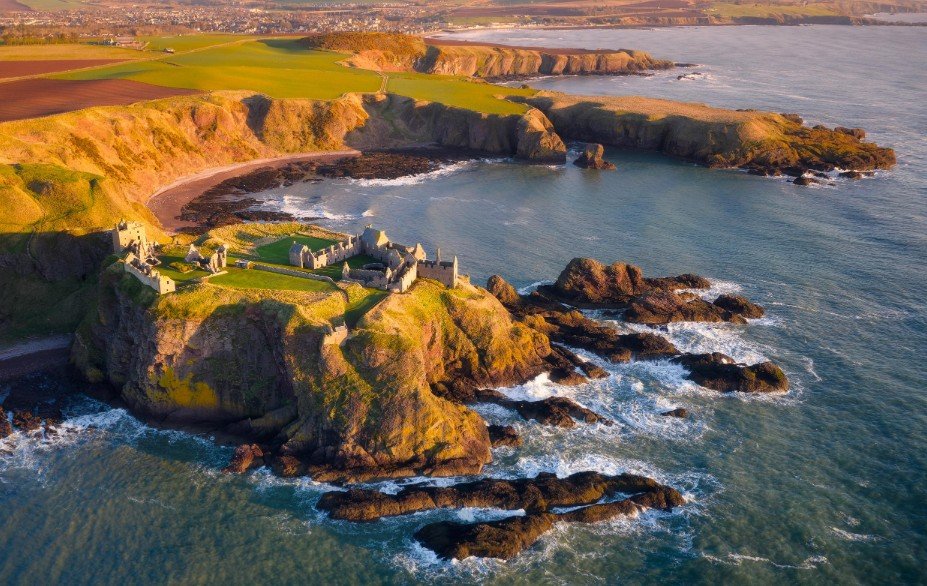
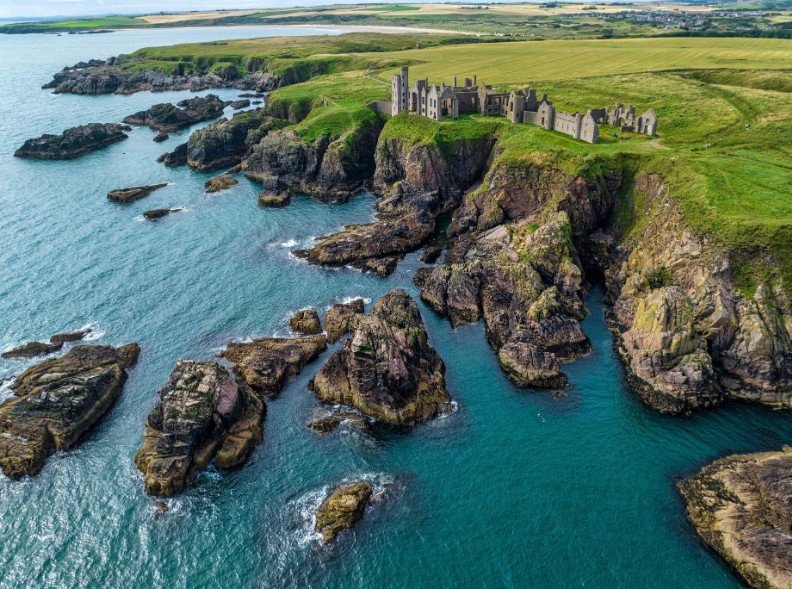
Among the most striking filming locations is Findlater Castle, a dramatic medieval ruin perched on towering cliffs above the North Sea. The combination of rugged rocks, crashing waves and endless skies creates an atmosphere that’s both haunting and unforgettable.
Whether standing in silence before an approaching storm or watching waves explode against the cliffs, these landscapes perfectly mirror the emotional weight of Odysseus’ journey.
Iceland: A Landscape That Doesn’t Feel Like Earth
If Greece represents hope and home, Iceland represents mystery.
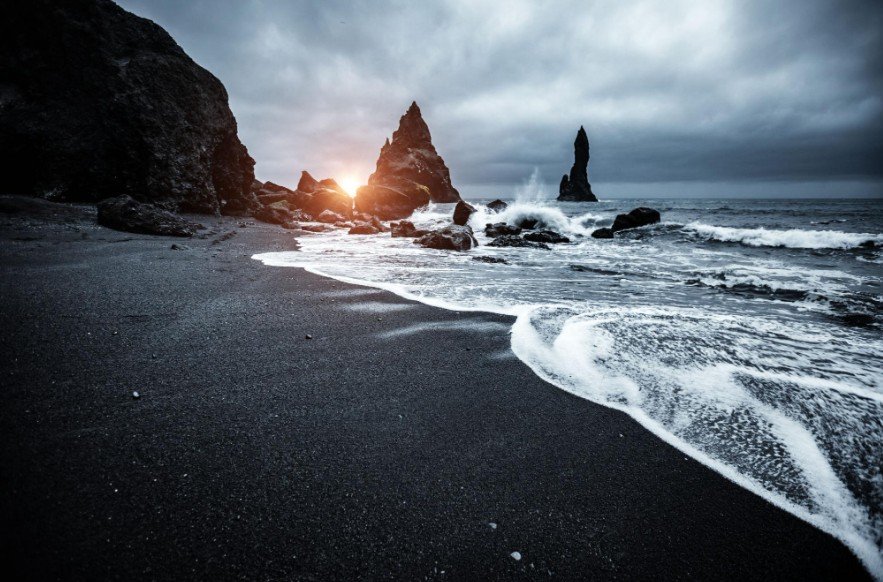
Its volcanic mountains, glaciers, waterfalls and black sand beaches create one of the most extraordinary natural environments on Earth.
These haunting landscapes were used to portray some of the film’s darker and more otherworldly sequences, giving audiences the feeling that Odysseus had travelled beyond the familiar world and into myth itself.
Rather than relying on elaborate visual effects, Nolan once again allowed nature to do the storytelling.
Christopher Nolan’s Biggest Secret? Real Locations
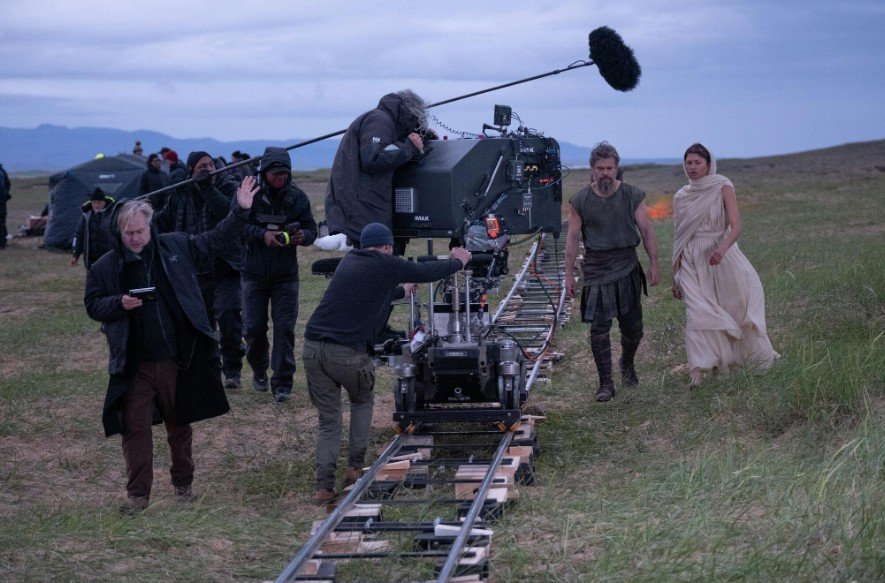
One reason The Odyssey feels so immersive is Christopher Nolan’s long-standing commitment to practical filmmaking.
Whenever possible, he prefers real environments over digital backgrounds.
Actors aren’t pretending to stand on a beach.
They’re actually standing on one.
The wind is real.
The waves are real.
The sunlight changes naturally.
That authenticity is difficult to fake—and audiences notice it, even if they can’t quite explain why.
For The Odyssey, Nolan reportedly pushed technical boundaries once again by filming with newly developed IMAX 70mm film cameras, capturing extraordinary levels of detail across many of these spectacular locations.
Sometimes the most breathtaking special effect is simply choosing the right place on Earth.
10 Fascinating Facts You Probably Didn’t Know About The Odyssey
1. It became the first feature film ever shot entirely with IMAX film cameras
Christopher Nolan has been passionate about IMAX for years, but The Odyssey pushed things further than ever before.
To make the project possible, IMAX engineers developed an entirely new generation of cameras that were smaller, quieter and lighter, allowing Nolan to film an entire feature on IMAX 70mm film for the first time in cinema history.
2. More than 2 million feet of film were used
Digital cameras may dominate modern filmmaking, but Nolan continues to shoot on traditional film.
For The Odyssey, production reportedly used over 2 million feet of IMAX 70mm film—enough film stock to stretch for hundreds of miles if laid end to end.
3. The production wrapped ahead of schedule
Considering the scale of the project—five countries, remote islands, castles and deserts—it would have been easy to expect delays.
Instead, principal photography finished nine days ahead of schedule, after 91 days of filming.
4. Some cast members had to reach locations by helicopter
One of the most spectacular filming spots was Castello di Santa Caterina on Favignana Island.
The hike to the fortress is long and steep, so during production, helicopters were reportedly used to transport some cast members and equipment, including Anne Hathaway, while crews still had to tackle the challenging terrain.
5. Christopher Nolan wanted audiences to feel the journey
Rather than relying on digital environments, Nolan deliberately chose real landscapes because he wanted viewers to understand how physically demanding Odysseus’ voyage would have been.
As Nolan explained, filming on location helped capture “how hard those journeys would have been” across an ancient, unmapped world.
6. The cameras were so loud that IMAX had to reinvent them
Classic IMAX cameras produce a noticeable mechanical sound, making dialogue recording difficult.
For The Odyssey, IMAX engineered a quieter version specifically for Nolan so scenes could be filmed with synchronized sound while still preserving the breathtaking IMAX image quality.
7. Real locations were chosen over computer-generated worlds
From Greek beaches to Moroccan deserts and Scottish cliffs, Nolan consistently preferred filming in authentic places.
Even when visual effects were used, they enhanced real environments rather than replacing them—one reason the film feels so immersive.
8. Not every scene from Homer’s epic made it into the movie
Although The Odyssey stays remarkably faithful to the ancient poem, Nolan chose to streamline parts of the story.
Several well-known episodes—including some involving the Olympian gods—were omitted or reimagined to create a tighter cinematic narrative.
9. The film sparked a new wave of “set-jetting”
Travel experts are already predicting increased interest in destinations such as Voidokilia Beach, Favignana and Aït Benhaddou, as movie lovers look to visit the real places they saw on screen.
10. Watching it in “true IMAX” is surprisingly rare
Although the movie is showing in thousands of cinemas, only 41 theaters worldwide can project it in its full 15-perforation IMAX 70mm format—the version Nolan designed the film for.
That rarity has turned those screenings into some of the most sought-after cinema tickets of the year.
Editor’s Note
Some films stay with us because of their story.
Others because of a single unforgettable image.
For me, The Odyssey is both.
It reminds us that some of the world’s most extraordinary places don’t exist inside a computer—they already exist, waiting to be explored.
Perhaps that’s the film’s greatest achievement.
It doesn’t simply tell us about adventure.
It makes us want to begin our own.
Final Thoughts
Whether you’re a Christopher Nolan fan, fascinated by Greek mythology or simply dreaming about your next destination, The Odyssey proves that the real world is often more spectacular than fiction.
From Greece’s turquoise beaches and Sicily’s volcanic islands to Morocco’s ancient cities, Scotland’s windswept cliffs and Iceland’s dramatic landscapes, every location adds another layer to this unforgettable cinematic journey.
The next time you watch the film, look beyond the characters.
You might just find yourself planning your next holiday instead.