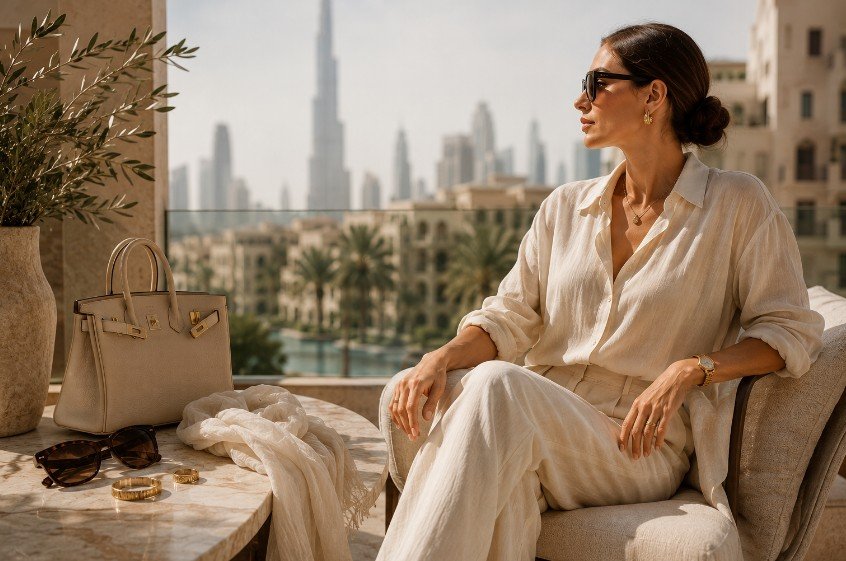
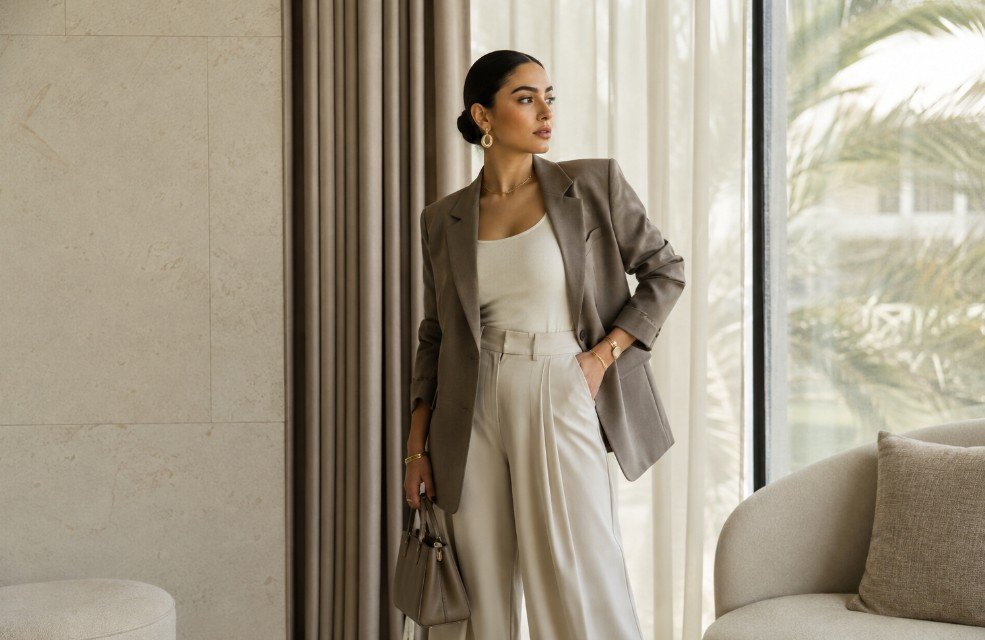
Understanding proportions can completely change the way an outfit looks and feels. From oversized blazers and wide-leg trousers to cropped tops and midi skirts, here’s how to create balanced, polished outfits without following complicated fashion rules.
Getting dressed isn’t always about having the most expensive clothes or following the latest trend. Sometimes, the difference between an outfit that feels effortlessly chic and one that feels slightly off comes down to something much simpler: proportion.
A beautiful outfit is often about how individual pieces relate to one another. A voluminous blazer can look incredibly elegant with streamlined trousers, while a flowing skirt can feel more balanced with a fitted top. The same pieces can create a completely different impression simply by changing what you wear them with.
Understanding proportions doesn’t mean following strict fashion rules. Instead, it gives you a useful framework for experimenting with your wardrobe and understanding why certain combinations feel naturally harmonious.
Whether your style is minimalist, feminine, classic or trend-led, learning how to balance proportions can help you create more polished outfits from the pieces you already own.
The same principle applies to oversized accessories: when choosing a generous work tote, consider how its proportions interact with the rest of your outfit. Our guide to The Best Luxury Designer Laptop Bags for Women explores some of the most stylish options.
What Does Outfit Proportion Actually Mean?
In fashion, proportion refers to the relationship between the different shapes, lengths and volumes within an outfit.
This includes things such as:
- The length of your top compared with your trousers or skirt
- The volume of your jacket compared with the rest of your outfit
- The width of your trousers in relation to your footwear
- Where a hemline falls on the leg
- How much of your silhouette is fitted versus relaxed
- The visual relationship between your clothes and accessories
Think of an outfit as a composition. Each piece contributes a different shape, and the goal isn’t necessarily to make everything identical. In fact, outfits can become much more interesting when contrasting proportions are used intentionally.
One of the easiest ways to experiment with proportions is through tailoring. See how to style a blazer in 7 different ways for ideas ranging from oversized silhouettes to more structured combinations.
A fitted top with wide-leg trousers, for example, creates a completely different silhouette from an oversized shirt with skinny jeans.
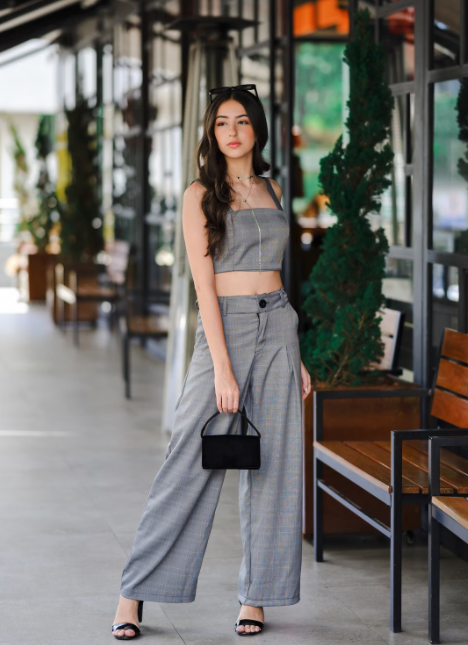
Neither is automatically better. The key is understanding balance.
Understanding proportions is only one part of creating a polished look. Discover more common fashion mistakes that can make an outfit look less polished and how to avoid them.
1. Balance Volume With Something More Streamlined
One of the easiest ways to create a polished silhouette is to balance a voluminous piece with something more fitted or streamlined.
Think:
- Oversized blazer + straight-leg trousers
- Loose knit + slim trousers
- Voluminous skirt + fitted top
- Wide-leg trousers + streamlined top
This doesn’t mean that every outfit needs one oversized and one fitted item. You can absolutely wear volume on both the top and bottom, but doing so creates a more dramatic silhouette and requires a little more consideration.
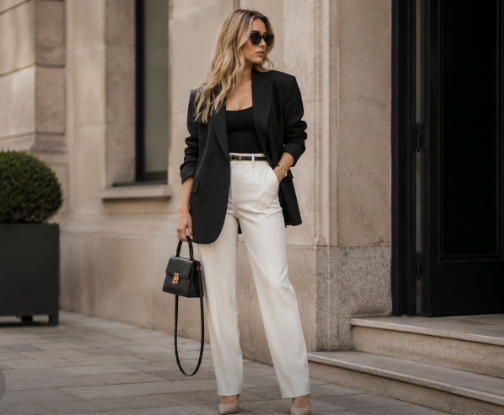
If you’re new to playing with proportions, starting with one dominant oversized piece is often the easiest approach. The principle of balancing volume with more streamlined pieces is also reflected in traditional fashion styling advice, where structured or fitted elements can be used to create a more defined silhouette.
2. Understand the Power of the Waistline
Where your top ends and your trousers or skirt begins can dramatically influence the overall proportions of an outfit.
High-waisted trousers and skirts visually raise the waistline, while longer tops can create a more relaxed effect.
Compare:
Tucked-in shirt + high-waisted trousers
with:
Untucked oversized shirt + trousers
The clothing itself hasn’t necessarily changed dramatically, but the visual balance has.
When wearing high-waisted trousers or skirts, experiment with a fully tucked shirt, half tuck, cropped knit, fitted bodysuit or shorter jacket.
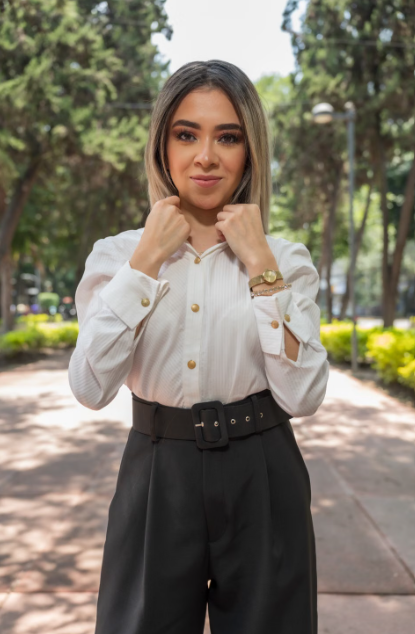
Each option changes where the eye perceives the waist and therefore changes the overall silhouette.
DID YOU KNOW?
The position of a garment’s waistline can influence how long or short the upper and lower parts of an outfit appear. This is one reason high-waisted pieces can create such a different visual effect from low- or mid-rise styles, even when the rest of the outfit remains unchanged.
3. Pair Wide-Leg Trousers With Intention
Wide-leg trousers are a wardrobe staple because they can look sophisticated, relaxed and incredibly modern.
Because they create significant volume through the lower half of the body, the top half can determine the overall mood of the outfit.
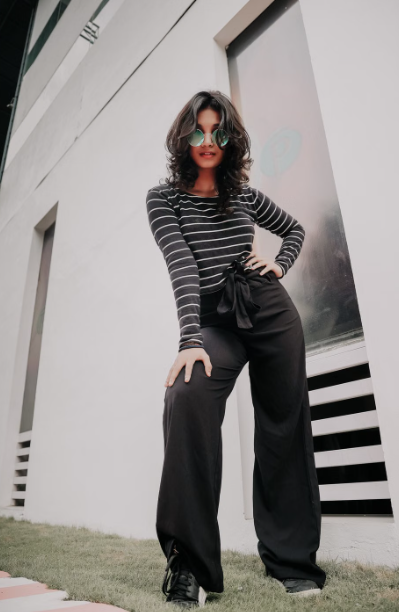
For a more defined silhouette, pair them with:
- A fitted top
- A tucked-in shirt
- A cropped jacket
- A structured blazer
- A streamlined knit
For a relaxed editorial look, you can also pair wide-leg trousers with an oversized shirt or jacket. The trick is to make the silhouette feel intentional, rather than accidental.
The length of the trousers matters too. A hem that falls beautifully over the shoe can create an elegant continuous line, while an awkward length can make the entire outfit feel less balanced.
4. Use Cropped Pieces to Change the Silhouette
Cropped jackets, cardigans and tops can be incredibly useful for creating visual balance.
A cropped piece can visually shorten the upper half of an outfit while giving the appearance of longer legs, particularly when paired with high-waisted trousers or skirts.
Try combinations such as:
- Cropped blazer + high-waisted trousers
- Cropped cardigan + midi skirt
- Short jacket + wide-leg trousers
- Cropped knit + tailored trousers
The result can feel modern without requiring anything particularly complicated.
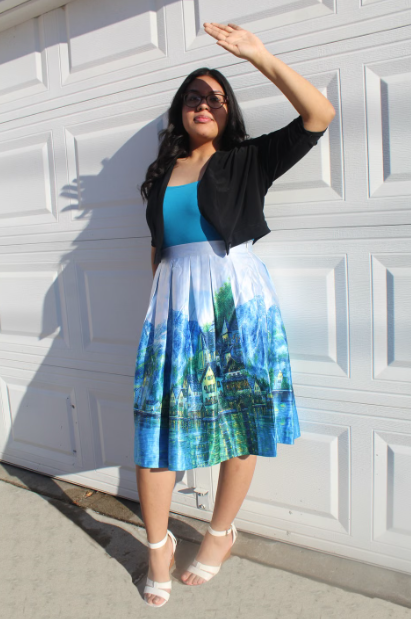
If you’re wearing long or voluminous pieces and feel that the outfit is overwhelming your silhouette, try adding a shorter jacket or defining the waist. Sometimes a small change in length is all that’s needed.
5. Don’t Be Afraid of Long Layers
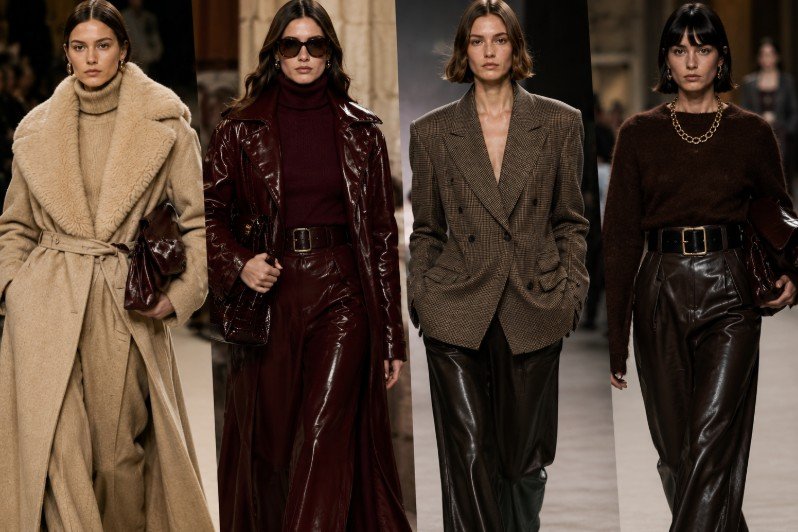
Long coats, trench coats, oversized blazers and flowing outer layers can create a beautiful sense of movement.
Rather than assuming long layers make an outfit look heavier, consider what is happening underneath.
A long coat over a simple monochrome outfit can create a sleek, uninterrupted silhouette. A long open cardigan over a fitted dress can add movement without hiding the shape completely.
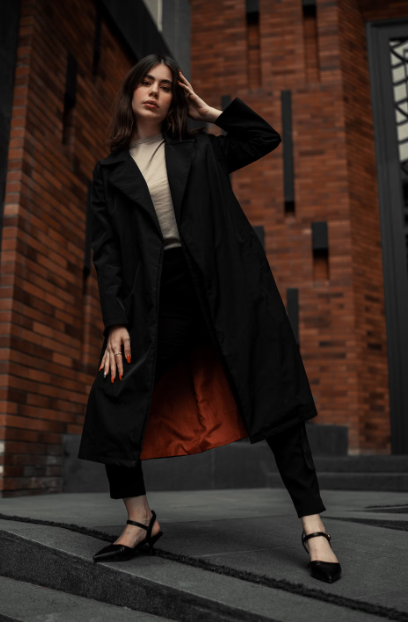
The key is to avoid having every element compete for attention.
If the outer layer is dramatic, keeping the pieces underneath relatively simple can make the entire look feel more sophisticated.
STYLE TIP
When wearing a long or oversized outer layer, create one point of definition elsewhere in the outfit. A tucked-in top, defined waist, streamlined trousers or structured handbag can give the silhouette a sense of intention without taking away from the drama of the layer.
6. Pay Attention to Hemlines
The point where a garment ends can have a surprising impact on an outfit.
This is particularly noticeable with:
- Midi skirts
- Cropped trousers
- Ankle-length trousers
- Mini skirts
- Long coats
- Cropped jackets
A midi skirt, for example, can look completely different depending on whether it ends just below the knee, at mid-calf or closer to the ankle.
Rather than memorising a universal “perfect” hemline, consider the relationship between the garment, the footwear and the rest of the outfit.
A sleek shoe that continues the visual line of the leg can create a very different effect from a shoe that creates a strong horizontal break.
7. Let Your Shoes Become Part of the Proportion
Shoes aren’t simply the finishing touch. They can influence the entire silhouette.
A delicate ballet flat, pointed-toe pump, chunky sneaker and knee-high boot all create different visual weights at the bottom of an outfit.
Proportion becomes particularly important when you’re styling an outfit without the added height of heels. Our guide to How to Dress Elegantly Without Wearing Heels explores how tailoring, trouser length and footwear can work together to create a polished silhouette.
For example:
- Wide-leg trousers can work beautifully with a substantial shoe.
- Tailored cigarette trousers can look elegant with a pointed toe.
- A flowing midi dress can be balanced with a structured shoe.
- A minimalist outfit can gain personality from a statement shoe.
The goal isn’t to find one “correct” shoe for each outfit, but to consider whether the footwear balances the visual weight of the clothing.
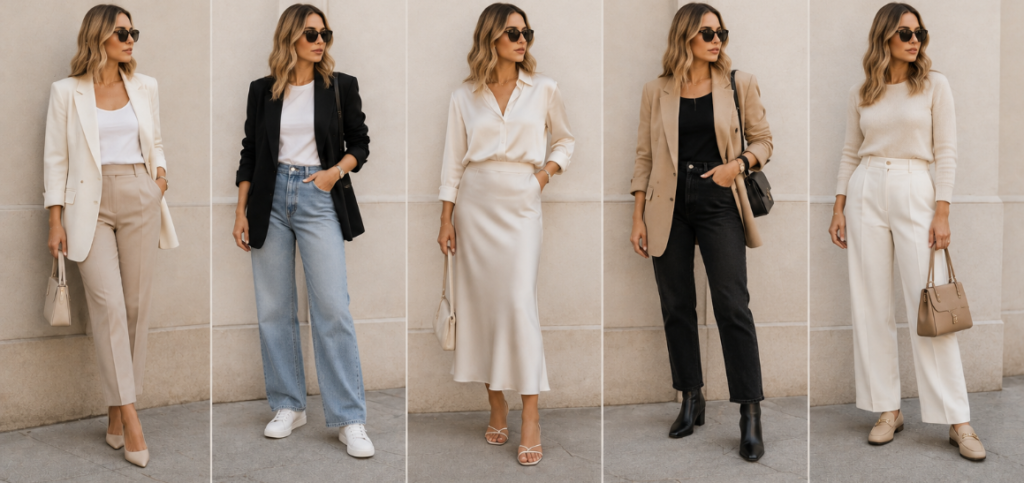
The right heel height can also change the visual relationship between your shoes, legs and overall silhouette. For a closer look at how different heel heights work, see our Women’s Heel Heights Guide.
The Golden Rule: There Are No Absolute Rules
Proportion is a styling tool, not a set of restrictions.
Fashion is constantly changing, and some of the most interesting outfits deliberately break conventional ideas about balance. Oversized tailoring, dramatic layering and unexpected combinations can all look incredibly chic when they feel intentional.
Instead of asking whether an outfit follows a particular rule, ask:
Does the overall silhouette feel intentional?
If the answer is yes, you’re already halfway there.
Style is knowing what to emphasize—and what to let speak quietly.
8. Create Balance With Monochrome Dressing
Wearing one colour from head to toe is one of the easiest ways to create a visually cohesive outfit.
A monochrome look doesn’t have to mean wearing exactly the same shade. Different tones and textures within the same colour family can make the outfit feel much more sophisticated.
Try combining:
- Ivory with cream
- Camel with beige
- Chocolate brown with tan
- Navy with softer blue
- Black with charcoal
The uninterrupted colour palette can create a streamlined effect, while differences in texture keep the outfit from looking flat.
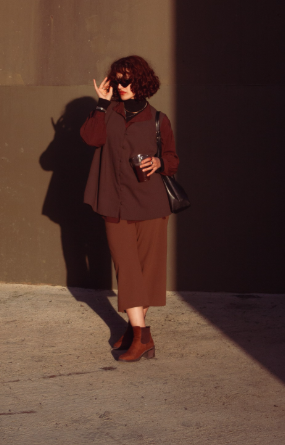
Monochrome dressing can also make more dramatic silhouettes feel intentional. A flowing wide-leg trouser, oversized blazer or long coat can appear particularly polished when the colours remain within the same tonal family.
Proportion isn’t the only element that creates visual balance. Colour plays an equally important role, which is why understanding How to Mix Colours in an Outfit can help you create a more cohesive overall look.
9. Balance Statement Pieces With Simpler Shapes
A statement piece doesn’t necessarily need another statement piece beside it.
If you’re wearing a dramatic oversized blazer, sculptural skirt, bold printed trousers or eye-catching coat, let that item lead the outfit.
Pair it with quieter pieces such as:
- A simple knit
- A classic shirt
- Straight-leg trousers
- Minimal jewellery
- Refined shoes
This creates contrast without making the outfit feel visually crowded.
The same principle works with accessories. If your handbag or shoes are particularly striking, keeping the rest of the outfit relatively simple can make the overall look feel more sophisticated.
Understanding your proportions is also useful when choosing clothes for your natural silhouette — our guide on how to dress for your body shape explores how to use these ideas without following rigid fashion rules.
10. Consider the Relationship Between Your Bag and Your Outfit
Accessories also contribute to proportion.
A tiny evening bag can look beautifully delicate with a streamlined dress, while a large structured tote can complement relaxed tailoring or an oversized coat. Handbags can also influence the balance of an outfit, and our guide to How to Choose the Right Handbag for Your Outfit explores how size, shape and structure can complement different silhouettes.
Think about the overall visual weight of your outfit.
A very oversized outfit paired with an extremely tiny bag can create an intentionally exaggerated fashion look. If that’s not what you’re going for, a medium or structured bag may feel more naturally balanced.
The same principle applies to jewellery. Large statement earrings can work beautifully with a simple neckline, while delicate jewellery can complement an outfit that already has strong shapes or patterns.
11. Use Layers to Build Visual Depth
Layering gives you another way to manipulate proportion without changing your entire wardrobe.
A simple combination such as a fitted top, tailored blazer and long coat creates several visual levels, while an oversized shirt worn beneath a structured jacket can create interesting contrasts.
Try layering:
- Tank top + shirt + blazer
- Fitted dress + long coat
- T-shirt + cropped jacket + wide-leg trousers
- Knit + blazer + tailored trousers
The key is to vary lengths rather than having every layer end at exactly the same point.
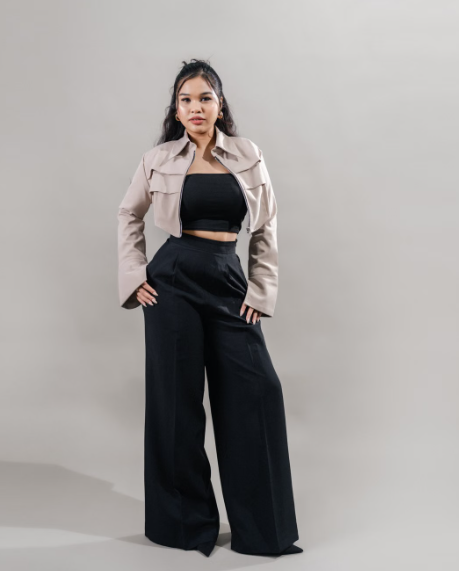
When several pieces are visible at once, think about which layer should be the dominant one. This helps prevent the outfit from looking crowded.
Layering is another way to deliberately manipulate proportions, with different lengths and combinations creating an entirely new silhouette.
12. Match Your Outfit Proportions to the Occasion
The same proportions that look perfect for a fashion-forward street-style outfit may not be appropriate for every setting.
For a polished office look, you might prefer:
- A structured blazer
- Straight or tailored trousers
- Refined shoes
- A defined waist
For a relaxed weekend outfit, you could experiment with:
- An oversized shirt
- Relaxed denim
- Sneakers
- Larger accessories
For an evening look, consider:
- A fitted dress
- Structured outerwear
- An elongated silhouette
- Delicate accessories
Understanding proportion becomes particularly useful when dressing for a special occasion. If you’re choosing an outfit for an upcoming celebration, explore How to Dress as a Wedding Guest: Elegant Outfit Ideas for Every Dress Code for elegant ideas across different dress codes.
13. Find the Proportions That Suit Your Personal Style
There is no single formula that works for every woman.
The most useful approach is to experiment.
Take a few of your favourite wardrobe pieces and try wearing them in different combinations. You might:
- Tuck your top in
- Leave it untucked
- Add a belt
- Switch from a fitted jacket to an oversized one
- Change the shoe
- Add or remove a layer
- Adjust the length of your trousers
Look at the outfit as a whole rather than focusing on one individual piece.
You may discover that you consistently prefer certain combinations—perhaps fitted tops with wide trousers, long coats with streamlined outfits or oversized shirts with shorter skirts.
Those preferences can become part of your personal style signature.
There is no single silhouette that works for everyone; even Vogue has explored how personal style can be defined through individual proportions, favourite pieces and signature silhouettes.
EDITOR’S NOTE
The most stylish women aren’t necessarily following a formula every time they get dressed. They understand their clothes well enough to recognise when an outfit needs more definition, more structure, more volume or simply less of something. Use proportion as a guide rather than a restriction. If a combination feels unexpected but still looks intentional, that’s often where personal style becomes most interesting.
14. The Easiest Proportion Formulas to Remember
If you don’t want to overthink getting dressed, keep a few simple combinations in mind.
Fitted + Voluminous
A fitted top with wide-leg trousers or a flowing skirt.
Cropped + High-Waisted
A cropped jacket or top with high-rise trousers or a skirt.
Long + Streamlined
A long coat or cardigan over a relatively simple outfit.
Oversized + Structured
An oversized piece balanced with tailored or structured elements.
Simple + Statement
One dramatic piece surrounded by understated pieces.
These aren’t strict rules. They’re simply useful starting points when an outfit doesn’t quite feel right.
15. How to Fix an Outfit That Doesn’t Feel Balanced
Sometimes you don’t need to change the entire outfit. One small adjustment can make a surprising difference.
If the outfit feels too loose overall, try defining the waist with a tuck or belt.
If it feels too heavy on top, switch to a more streamlined bottom or remove a layer.
If the lower half feels overwhelming, try a more fitted top or a shorter jacket.
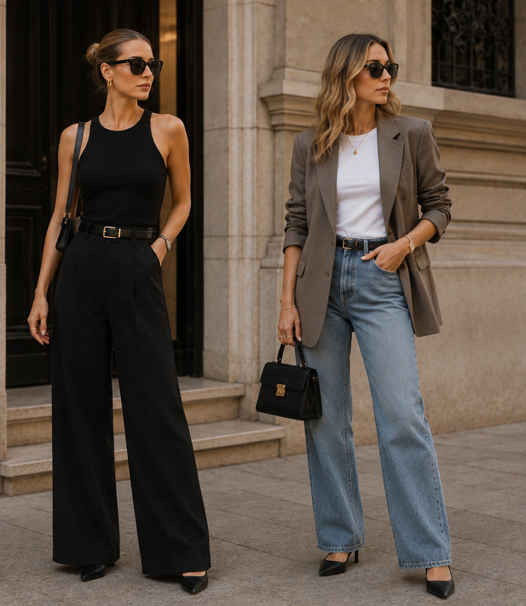
If the outfit feels too plain, introduce contrast through your shoes, handbag or jewellery rather than adding several new elements at once.
Think of it as editing rather than starting again.
16. Use Proportion to Make Your Wardrobe More Versatile
Understanding proportions can also help you get more value from the clothes you already own.
A single oversized blazer can look completely different with:
- Tailored trousers
- Straight-leg jeans
- A fitted dress
- A midi skirt
- Wide-leg trousers
Likewise, a simple white shirt can be tucked into high-waisted trousers, worn open over a fitted top, layered beneath a blazer or paired with a flowing skirt.
This is one of the biggest advantages of understanding proportion: you don’t necessarily need more clothes—you need more combinations.
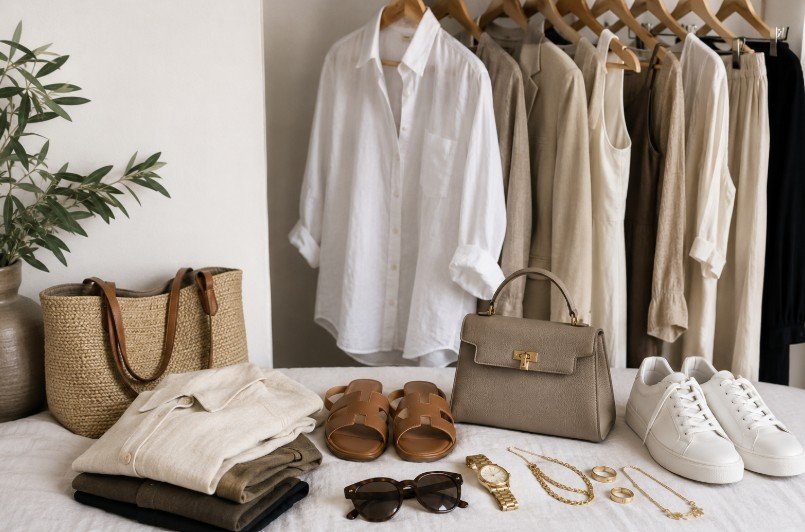
Once you understand how different pieces work together, building a versatile wardrobe becomes much easier. For more inspiration on the essential pieces suited to everyday dressing in the UAE, explore our Dubai Wardrobe Essentials guide.
The next step is learning how to make one versatile piece work across different occasions. See our guide to how to style one dress five different ways for five ways to transform the same dress
Final Thoughts
Understanding outfit proportions can transform the way you approach getting dressed.
Instead of constantly searching for new clothes, you can start experimenting with the pieces you already own. A change in length, volume, waist placement, layering or footwear can create an entirely different silhouette.
Understanding proportion is particularly useful when you have fewer pieces to work with. For more ideas on creating multiple looks from a carefully edited wardrobe, see our guide to building a chic travel capsule wardrobe.
There is no universal formula for looking stylish, and that’s precisely what makes fashion so interesting. Use proportion as a starting point, then adapt it to your personality, lifestyle and the way you want to feel in your clothes.
You don’t need an entirely new wardrobe to create a polished look. Understanding proportions can help even simple pieces feel more intentional—just as the right styling choices can make an outfit look more expensive without a large budget. Read How to Look Expensive on a Budget for more ideas.
Because ultimately, the most polished outfit isn’t necessarily the one that follows every rule.
It’s the one that looks intentional.