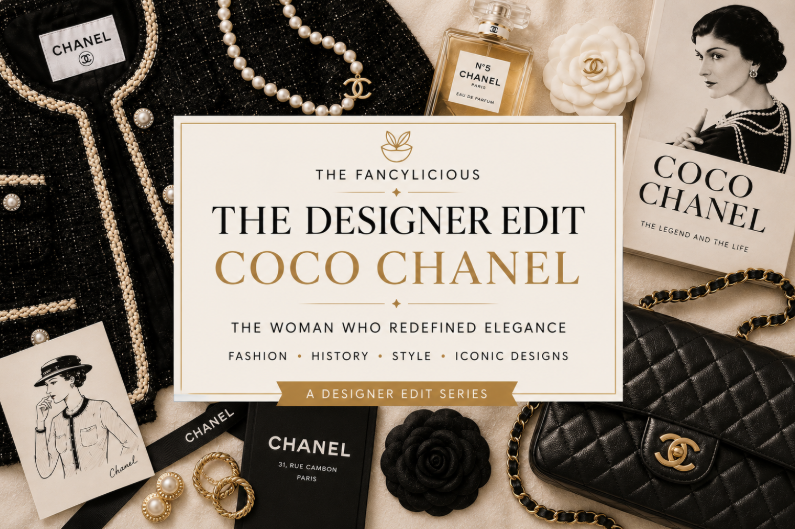
The Woman Who Redefined Modern Elegance
Few names in fashion have had an influence as profound as Coco Chanel. With her revolutionary approach to womenswear, instinct for simplicity, and understanding of how modern women wanted to live, Gabrielle Chanel transformed the wardrobe forever.
From the little black dress and tweed jacket to Chanel N°5 and the iconic quilted handbag, her creations became far more than fashion pieces. They became symbols of elegance, independence, and timeless style.
In this edition of The Designer Edit, we explore the extraordinary woman behind Chanel, the designs that changed fashion, and the enduring luxury codes that continue to define one of the world’s most recognisable maisons.
The Woman Behind the Name
Born on August 19, 1883, in Saumur, France, Gabrielle Chanel arrived under the sign of Leo—a detail that feels almost fitting for a woman whose confidence, independence and unmistakable presence would eventually reshape fashion. Her early life was far removed from the world of Parisian luxury that she would eventually come to define.
After her mother’s death, Gabrielle spent part of her childhood at the Aubazine convent, where she learned to sew. That practical skill would become the foundation of an extraordinary career.
Before becoming a couturier, Chanel began as a milliner. In 1910, she opened her first independent Paris hat boutique at 21 rue Cambon. Her understated hats quickly attracted attention among fashionable Parisian women.
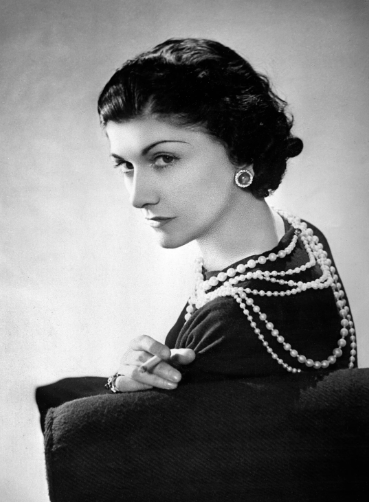
Her business expanded beyond millinery, first into Deauville and then Biarritz, where she established her first fashion house in 1915.
By 1918, Chanel had moved her Paris operation to 31 rue Cambon, the address that would remain inseparable from the house’s identity.
What distinguished Chanel from other designers was not simply her ability to create beautiful clothes. She understood that women wanted to move, work, travel and live comfortably without giving up elegance.
She was designing for a new woman.
DID YOU KNOW?
Gabrielle Chanel opened her first independent Paris millinery shop in 1910 at 21 rue Cambon—the address that would eventually become synonymous with the Chanel universe.
A Vision That Changed Fashion Forever
Fashion at the beginning of the twentieth century was still dominated by restrictive silhouettes, elaborate decoration and rigid ideas about femininity.
Chanel challenged all of it.
She introduced a new vocabulary built around comfort, simplicity, movement and practicality, while maintaining an unmistakable sense of refinement.
One of her most important innovations was her use of jersey, a fabric previously associated largely with practical clothing. Chanel transformed it into something elegant and desirable.
She also drew inspiration from menswear, sportswear and the relaxed clothing she encountered during her travels and relationships.
The result was a wardrobe that felt liberating.
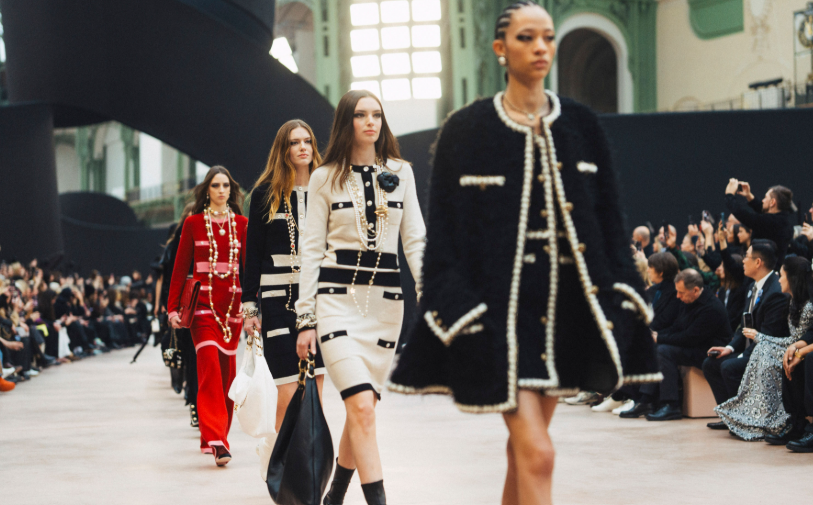
Striped sailor tops, relaxed jersey pieces, tailored jackets, trousers and understated accessories all became part of a new vision of femininity.
Chanel proved that a woman did not have to sacrifice comfort to look sophisticated.
That philosophy remains remarkably modern.
The Little Black Dress
Few garments have achieved the cultural status of Chanel’s little black dress.
In 1926, Chanel introduced a deceptively simple black dress that challenged conventional ideas about colour and occasion dressing. At the time, black was strongly associated with mourning. Chanel transformed it into a symbol of modern sophistication.
The brilliance of the little black dress was its versatility.
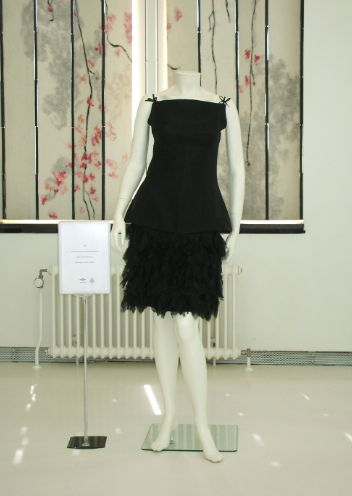
It could be dressed up or down. Worn during the day or evening. Styled with pearls, jewellery or almost nothing at all.
It was luxury stripped of unnecessary decoration.
And that is precisely why it remains relevant.
Chanel N°5: The Fragrance That Became a Legend
Chanel’s influence was never limited to clothing.
In 1921, Gabrielle Chanel introduced Chanel N°5, created by perfumer Ernest Beaux. The fragrance became one of the defining products in the history of modern perfumery.
The name itself was simple: Chanel selected the fifth sample presented to her.
The bottle was equally restrained, with clean lines that reflected the modern aesthetic of the fashion house.
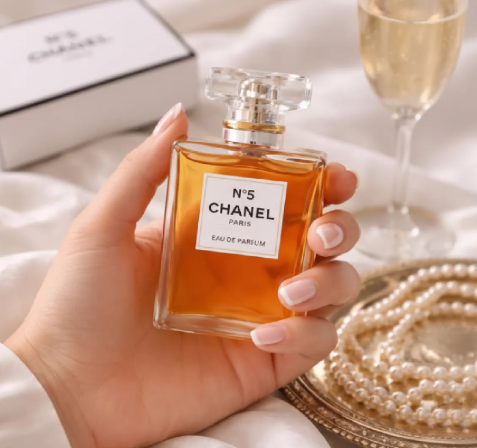
N°5 would eventually become much more than a perfume.
It became an icon.
Nearly every aspect of its identity—from its minimalist packaging to its unmistakable fragrance—demonstrated Chanel’s ability to turn simplicity into luxury.
STYLE TIP
For a Chanel-inspired wardrobe, start with one beautifully tailored classic—a tweed jacket, little black dress or elegant pearl necklace—and let it become the focus of an otherwise understated look.
The Signature Chanel Pieces
Every legendary fashion house has creations that transcend seasons. For Chanel, these pieces are defined by timeless silhouettes, recognisable details and a remarkable ability to remain relevant across generations.
The Chanel Tweed Jacket
The tweed jacket became one of Chanel’s most recognisable creations.
Inspired partly by menswear and the relaxed elegance Chanel encountered in Britain, tweed allowed her to create structured garments without making them feel excessively formal.
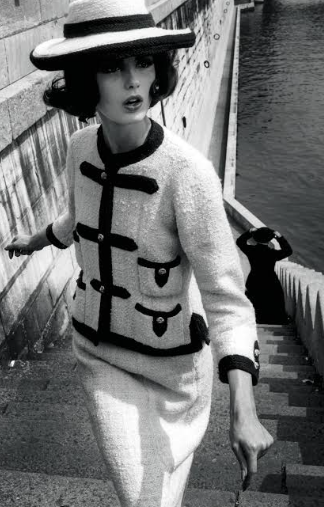
The jacket became a foundation of the Chanel wardrobe: sophisticated enough for an elegant occasion, yet versatile enough to work with trousers, denim or a simple skirt.
Its enduring appeal lies in that versatility.
The Chanel jacket can be instantly recognisable without requiring an oversized logo.
The 2.55 Handbag
Few handbags have become as iconic as Chanel’s quilted 2.55.
Introduced in February 1955, the bag featured a shoulder strap designed to allow women to keep their hands free—a remarkably practical idea for a luxury accessory.
The quilted texture, chain strap and structured silhouette would become defining elements of Chanel’s handbag universe.
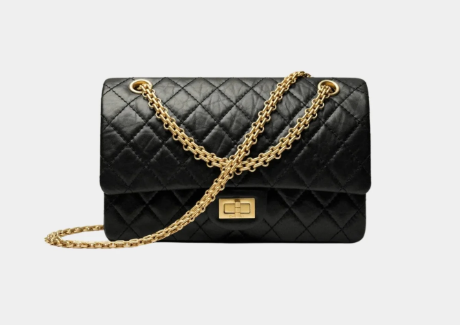
The 2.55 is just one of the handbags that have transcended trends to become a true fashion icon. Discover our guide to The Best Designer Handbags That Never Go Out of Style for more timeless designs worth knowing.
More importantly, the 2.55 reflected Gabrielle Chanel’s philosophy perfectly.
It was beautiful.
It was luxurious.
But it was also functional.
That combination helped transform the handbag from a purely decorative accessory into an essential part of a woman’s wardrobe.
The Two-Tone Shoe
The Chanel two-tone shoe became another defining element of the house’s visual language.
Its contrasting colours created a distinctive silhouette while visually balancing the proportions of the foot.
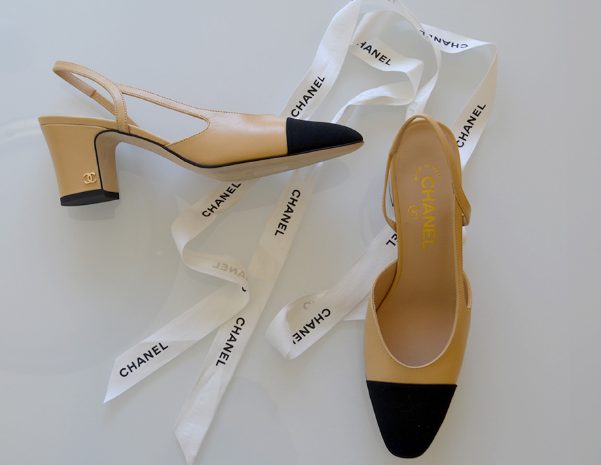
The style perfectly captured Chanel’s preference for combining practicality with elegance.
Rather than relying on excessive ornamentation, the shoe’s appeal came from proportion, contrast and simplicity.
Pearls and Costume Jewellery
Chanel completely changed the way women approached jewellery.
She famously mixed faux pearls and costume jewellery with fine pieces, making jewellery feel expressive rather than reserved exclusively for formal occasions.
Long strands of pearls became one of her most recognisable styling signatures.
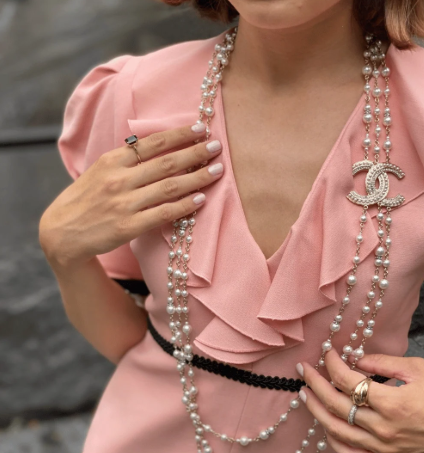
The lesson remains relevant today: luxury does not always need to be literal.
Sometimes the most elegant accessory is the one that simply completes the look.
The Details That Became Chanel Signatures
Over time, Chanel developed an unmistakable collection of visual codes.
Quilted leather.
Gold chains.
Tweed.
Pearls.
Camellias.
Two-tone shoes.
Black and white.
The interlocking CC became perhaps the most recognisable symbol of the house, appearing across handbags, jewellery, fragrances and ready-to-wear. The story behind this iconic emblem is explored in our guide to The Meaning Behind Luxury Brand Logos: The Stories You Never Knew
Each detail can stand alone, but together they create the visual language of Chanel.
That is perhaps one of the greatest achievements of the house: its identity can often be recognised before its name is even visible.
The Evolution of Chanel
Gabrielle Chanel’s legacy did not end with her death in 1971. Instead, the house continued evolving while preserving many of the codes she had established.
Karl Lagerfeld: A New Chapter
In 1983, Karl Lagerfeld became artistic director of Chanel and began one of the most important chapters in the maison’s modern history.
Lagerfeld understood that preserving Chanel’s heritage did not mean keeping it frozen in time.
He revisited tweed, pearls, chains, quilting, camellias and the house’s monochromatic palette, giving them new proportions and contemporary energy.
Under his direction, Chanel became increasingly influential across fashion, beauty and popular culture.
His interpretation demonstrated that heritage could be modernised without losing its identity.
Chanel in the Modern Era
Following Lagerfeld’s death in 2019, Virginie Viard became artistic director, continuing to interpret the house’s distinctive codes through a softer and more contemporary perspective.
The Chanel universe today extends across Haute Couture, ready-to-wear, handbags, jewellery, watches, fragrance and beauty.
Yet the underlying philosophy remains recognisable.
The house continues to balance tradition with modernity—just as Gabrielle Chanel did more than a century ago.
The legacy of Chanel can also be seen in the work of later visionaries such as Yves Saint Laurent, another designer who challenged conventions and gave women a new language of modern elegance.
Celebrity Style Files
Chanel has always attracted women whose personal style reflects confidence, individuality, and a certain effortless sophistication. From Hollywood icons to contemporary fashion stars, generations of women have made the maison’s signature pieces part of their own visual identity.
Marilyn Monroe remains forever connected to Chanel N°5. Her famous declaration that she wore “five drops” of the fragrance to bed transformed the perfume into a cultural phenomenon and helped establish its sensual, glamorous image.
Audrey Hepburn embodied another side of the Chanel aesthetic: refined, feminine, and effortlessly polished. Her minimalist approach to dressing, with its elegant silhouettes and understated accessories, perfectly reflected the timeless sophistication associated with the house.
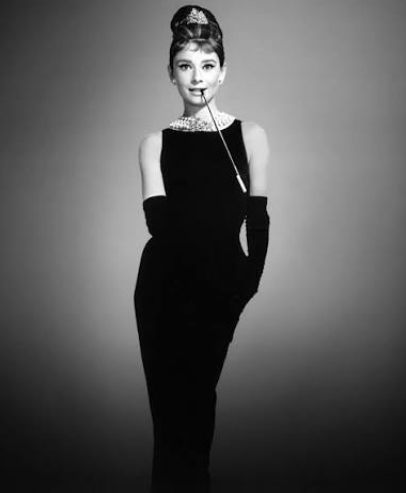
Elizabeth Taylor embraced Chanel’s more glamorous side, proving that pearls, statement jewellery, and luxurious eveningwear could create an unmistakable sense of drama without losing elegance.
Among later generations, Princess Diana became known for incorporating Chanel into her wardrobe, from tailored separates to the house’s instantly recognisable accessories. Her ability to combine polished pieces with a more relaxed sensibility made her style particularly influential.
Today, Chanel continues to attract some of the world’s most recognisable fashion figures.
Margot Robbie frequently embraces the maison’s elegant, feminine aesthetic on red carpets, while Kristen Stewart has developed a more contemporary interpretation of Chanel, often pairing couture with a relaxed, effortlessly cool attitude.
Jennie of BLACKPINK has also become closely associated with the house, bringing Chanel’s classic codes into a younger, distinctly modern fashion landscape. Meanwhile, Keira Knightley continues to embody the romantic and refined side of the maison through elegant red-carpet appearances and Chanel campaigns.
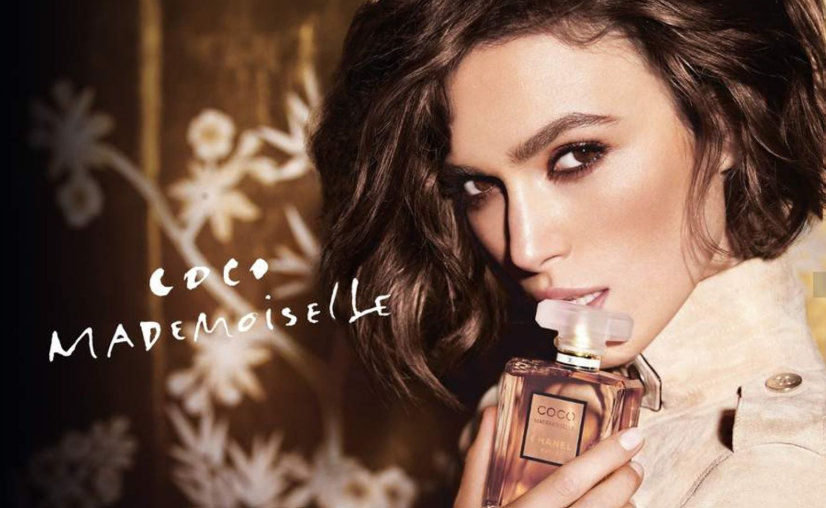
What connects these women is not a single way of wearing Chanel. It is their ability to make the house’s timeless codes feel personal—which is perhaps the most Chanel approach of all.
In order to be irreplaceable, one must always be different.
Why Chanel Remains a Luxury Icon
Few fashion houses have achieved the cultural influence of Chanel.
Its longevity comes from more than history or heritage.
Chanel fundamentally changed the relationship between women and fashion.
Gabrielle Chanel understood that luxury could be comfortable. That elegance could be practical. That simplicity could be more powerful than decoration.
Her most famous creations solved real problems while becoming symbols of style.
The little black dress offered versatility.
The tweed jacket combined structure with ease.
The 2.55 handbag introduced hands-free practicality.
Chanel N°5 transformed fragrance into an essential part of personal identity.
That combination of function, beauty and unmistakable design language is what allows Chanel to remain relevant across generations.
While trends change constantly, the Chanel aesthetic continues to feel remarkably current.
INVESTMENT INSIGHT
If you’re investing in your first Chanel piece, timeless designs such as a classic quilted handbag, tweed jacket or refined pearl jewellery are more likely to remain relevant than highly seasonal statement pieces.
How to Dress Like Chanel
Capturing the Chanel aesthetic is less about wearing head-to-toe designer pieces and more about understanding the principles behind Gabrielle Chanel’s approach to dressing.
You can create a polished wardrobe without relying entirely on luxury labels. Our guide to How to Look Expensive on a Budget: 12 Styling Rules That Actually Work explores how tailoring, colour, accessories and thoughtful styling can make even simple pieces feel considerably more refined.
Start with beautiful tailoring. A structured jacket immediately creates polish, particularly when paired with relaxed trousers or straight-leg denim.
Build around a sophisticated colour palette. Black, ivory, cream, beige, navy and soft neutrals provide the timeless foundation associated with Chanel.
Introduce texture through tweed, leather, silk and knitwear.
Then add one recognisable finishing touch.
Perhaps it is a strand of pearls.
Perhaps a quilted handbag.
Perhaps a two-tone shoe.
The important thing is restraint.
If you love elegant everyday dressing, our guide to 10 Luxury Habits Every Elegant Woman Incorporates Into Her Daily Routine explores the small rituals and thoughtful choices that can make everyday life feel more refined.
And remember: the Chanel aesthetic is ultimately about confidence.
The clothes should enhance the woman wearing them—not compete with her.
Fascinating Facts About Coco Chanel
She was a singer before becoming a fashion icon.
As a young woman, Gabrielle Chanel performed in cafés and developed the nickname “Coco,” which stayed with her throughout her life.
She designed for Hollywood.
In 1931, Chanel travelled to Hollywood after being invited by Samuel Goldwyn to design costumes for actresses, bringing her distinctive approach to American cinema.
She was fascinated by the colour beige.
Chanel famously appreciated neutral tones and natural shades, helping establish beige as an elegant fashion colour rather than something merely practical.
She had a strong connection with the world of the arts.
Chanel moved within influential artistic circles in Paris and counted figures from literature, music and visual art among her acquaintances and collaborators.
She created jewellery with a deliberately theatrical spirit.
Her 1932 Bijoux de Diamants collection demonstrated that fine jewellery could be presented as a dramatic fashion statement rather than simply as traditional precious adornment.
She returned to fashion in her seventies.
After a long absence from the fashion world, Chanel returned to haute couture in 1954 at the age of 71—an extraordinary comeback that demonstrated the strength of her creative identity.
She never stopped challenging conventional ideas of femininity.
Even later in life, Chanel continued to favour clothes that gave women freedom of movement and a sense of independence, reinforcing the philosophy that had defined her work from the beginning.
EDITOR’S NOTE
Chanel’s greatest lesson is not about owning a particular handbag or jacket. It’s about understanding which details make you feel most like yourself—and wearing them with enough confidence to make them unmistakably yours.
Frequently Asked Questions
What is Coco Chanel best known for?
Coco Chanel is best known for revolutionising women’s fashion through creations such as the little black dress, tweed jacket, quilted handbag and two-tone shoes. She also created the iconic Chanel N°5 fragrance.
Why is Chanel considered so influential?
Chanel changed the way women dressed by introducing greater comfort, practicality and simplicity while maintaining a sophisticated sense of luxury.
What is Chanel’s signature style?
Chanel’s signature style combines timeless tailoring with relaxed elegance. Tweed, pearls, quilting, chains, black and white, camellias and refined accessories are among its most recognisable elements.
What is the most iconic Chanel handbag?
The 2.55 is one of Chanel’s most historically significant handbags. Introduced in 1955, its quilted design and chain strap became defining elements of the house’s identity.
Why does Chanel use so much black and white?
Black and white were central to Gabrielle Chanel’s aesthetic because of their simplicity, contrast and versatility. Together, they create a sophisticated foundation that allows silhouettes and accessories to take centre stage.
Is Chanel still influenced by Coco Chanel?
Yes. Although the house has evolved significantly over the decades, contemporary Chanel continues to reinterpret many of Gabrielle Chanel’s original design codes, including tweed, quilting, pearls, camellias, chains and monochrome styling.
Final Thoughts
More than a century after Gabrielle Chanel opened her first boutique in Paris, Chanel remains one of the defining names in luxury fashion.
Its influence extends far beyond handbags, couture and fragrance.
Chanel changed how women understood elegance, proving that sophistication could coexist with comfort, individuality and freedom.
From the revolutionary little black dress to the iconic 2.55, from Chanel N°5 to the timeless tweed jacket, the house has created pieces that continue to transcend seasons and generations.
And perhaps that is Gabrielle Chanel’s greatest achievement.
She did not simply create fashion.
She created a language of style.
A language built on simplicity, confidence, contrast and the belief that true elegance never needs to shout.
That philosophy remains as relevant today as it was when Chanel first began changing fashion in Paris.