
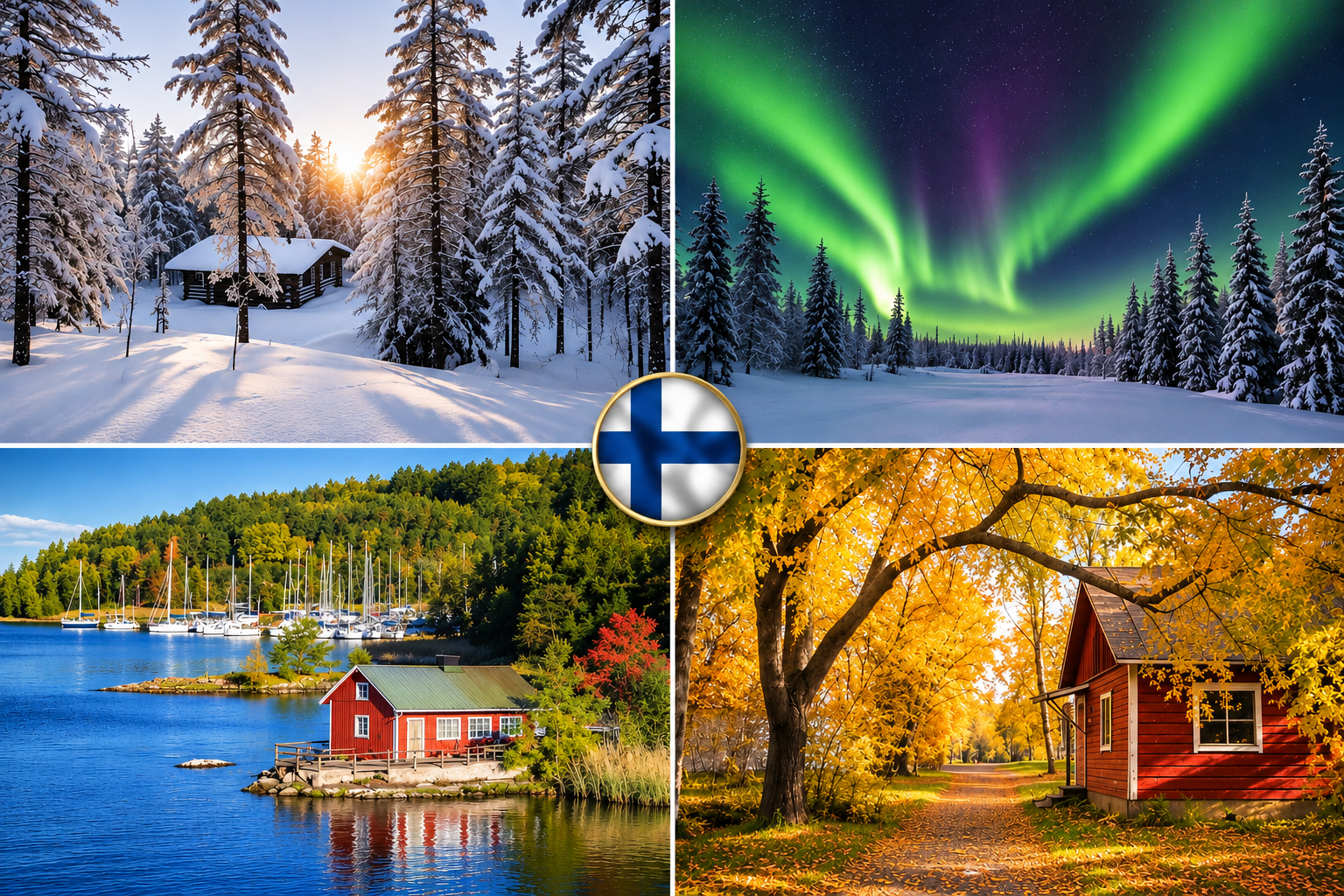
Discover the Finnish approach to happiness, from trust and simplicity to nature, inner strength and the art of living well.
What does it really mean to live a happy life? Is it financial success, professional achievement, beautiful surroundings or the freedom to enjoy life’s little pleasures? Perhaps it is something less tangible: feeling safe, having people you can rely on and knowing that, even when life becomes difficult, you have the support and freedom to move forward.
For nine consecutive years, Finland has held the top position in the World Happiness Report, earning its reputation as the happiest country in the world. In the 2026 edition, the Nordic nation once again claimed first place, with a life evaluation score of 7.764 out of 10.
At first glance, Finland might seem an unlikely symbol of happiness. Its winters can be long and dark, temperatures can fall well below freezing, and its population is relatively small. Yet, behind its quiet landscapes and understated way of life lies something particularly interesting: a society where trust, equality, personal freedom and collective wellbeing play important roles.
Perhaps the Finnish approach offers a refreshing reminder that happiness does not necessarily come from having more. Sometimes, it comes from feeling that what we already have is enough.
1. Finland: The Happiest Country in the World, Again
Finland’s position at the top of the World Happiness Report has become something of a tradition. Since 2018, the country has consistently ranked first, demonstrating an impressive level of life satisfaction among its residents.
But what does being the happiest country in the world actually mean?
The World Happiness Report, produced with contributions from the University of Oxford’s Wellbeing Research Centre, Gallup and the UN Sustainable Development Solutions Network, does not simply ask people whether they feel happy. Instead, it measures how individuals evaluate their lives as a whole.
Participants are asked to imagine a ladder numbered from zero to ten. The top represents the best possible life they can imagine for themselves, while the bottom represents the worst. They are then asked where they currently stand.
This method, known as the Cantril Ladder, gives people the opportunity to assess their own circumstances rather than relying on an external definition of happiness.
The 2026 ranking uses average responses collected between 2023 and 2025. Finland achieved a score of 7.764, ahead of Iceland and Denmark, which occupied second and third place respectively.
The report examines six important factors that help explain differences in life evaluations across countries: GDP per capita, social support, healthy life expectancy, freedom to make life choices, generosity and perceptions of corruption.
It is important to understand that these six factors are not simply added together to produce the ranking. Countries are ranked according to people’s own life evaluations, while the six factors help explain why those evaluations differ.
Finland’s position is therefore not proof that every resident is happy every day, nor does it suggest that the country is without challenges. Rather, it indicates that people living there tend to evaluate their lives more positively than those in other countries.
DID YOU KNOW?
Happiness has a rather personal connection to Finnish culture: Onni, the Finnish word for happiness, is also a first name shared by more than 10,000 people in the country. It is a lovely example of how closely the idea of happiness is woven into Finnish language and identity.
2. The Power of Trust: Feeling Safe in Your Society
One of the most interesting aspects of Finnish society is the importance placed on trust.
Imagine living somewhere where you generally feel comfortable relying on public services, where institutions are expected to act transparently and where people tend to respect shared rules. This everyday sense of security can make an enormous difference to how people experience their lives.
In Finland, trust is closely connected to the country’s institutions, public administration and respect for the rule of law. Transparency, accountability and a strong emphasis on fairness help create an environment in which people can feel more confident about their surroundings.
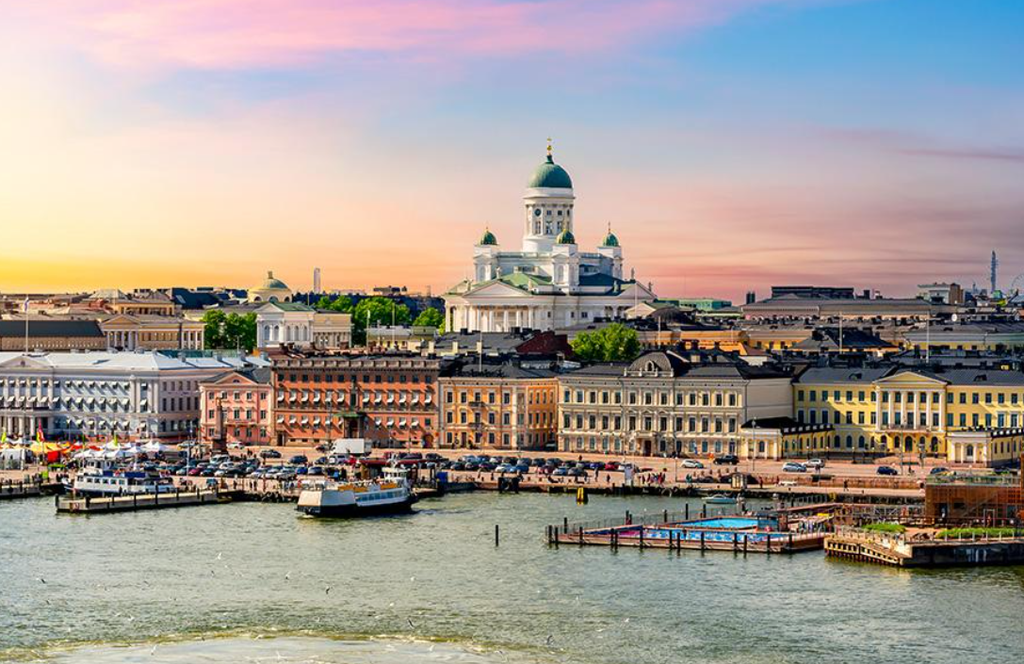
Trust also extends into ordinary situations. It can be seen in the expectation that people will act responsibly, respect one another’s space and contribute to the community.
This does not mean that every interaction is perfect or that disagreements never happen. Rather, trust forms part of the wider social environment, reducing some of the uncertainty that can make everyday life stressful.
There is also an important relationship between trust and the perception of corruption. When people believe that institutions are accountable and public resources are managed fairly, they may feel more confident in the systems that shape their daily lives.
The Finnish experience suggests that happiness is not solely an individual pursuit. It is also influenced by the society in which people live and the confidence they feel in the institutions around them.
3. A Society That Values Equality and Opportunity
Another important element of Finland’s approach to wellbeing is the emphasis on equality and access to essential services.
Education, healthcare and social protection are important parts of the country’s social framework, helping people access opportunities and navigate life’s uncertainties.
Finland is particularly well known for its education system, which places importance on equal opportunities, professional teachers and learning beyond the classroom. Education is intended to give individuals the knowledge and skills they need to participate in society and shape their own futures.
Healthcare and social support also contribute to a sense of security. When people know that essential services are available to them, they may feel less exposed to unexpected difficulties.
Of course, no public system is without limitations. Finland faces its own economic pressures, demographic changes and challenges in maintaining public services. Nevertheless, the principle of providing a supportive foundation remains central to its social model.
Equality also has a broader meaning. It concerns the possibility of participating in society, accessing opportunities and making personal choices without being unnecessarily restricted by circumstances beyond one’s control.
This sense of fairness can contribute to a more stable environment, where individual wellbeing is connected to the wellbeing of the wider community.
4. Work-Life Balance: Making Space for Living
In a world where professional ambition and constant productivity can easily take centre stage, Finland offers another perspective on the relationship between work and personal life.
The idea is not that work should be unimportant. Rather, professional responsibilities should exist alongside other aspects of life, including family, friendships, rest and personal interests.
Time away from work matters. So does having the opportunity to enjoy a weekend without feeling permanently connected to professional obligations.
Finnish working life is supported by policies and arrangements relating to holidays, parental leave and employee rights. These can help people manage professional responsibilities while making room for family life and personal wellbeing.

There is also a cultural appreciation for practicality and balance. Success does not have to mean filling every available hour with activity or measuring personal worth entirely through professional achievements.
For many people, the ability to finish work, return home and enjoy an ordinary evening is an important part of living well.
A thoughtfully arranged working environment can also make everyday routines more enjoyable. If you are looking to create a space that feels both practical and inspiring, take a look at our guide to creating a luxury capsule home office.
The Finnish approach offers a useful reminder: a fulfilling life needs room for things that cannot be measured through productivity.
STYLE TIP
Create a little breathing space in your daily routine. Protect time for a proper lunch, an evening walk or an activity you genuinely enjoy. A beautiful life is not necessarily a busier one.
5. The Finnish Connection with Nature
Few things illustrate Finland’s relationship with everyday life quite like its natural landscape.
Known for its vast forests, thousands of lakes and beautiful seasonal scenery, Finland offers an extraordinary connection with the outdoors. Nature is not reserved exclusively for holidays or special occasions; it is an accessible part of everyday life for many residents.
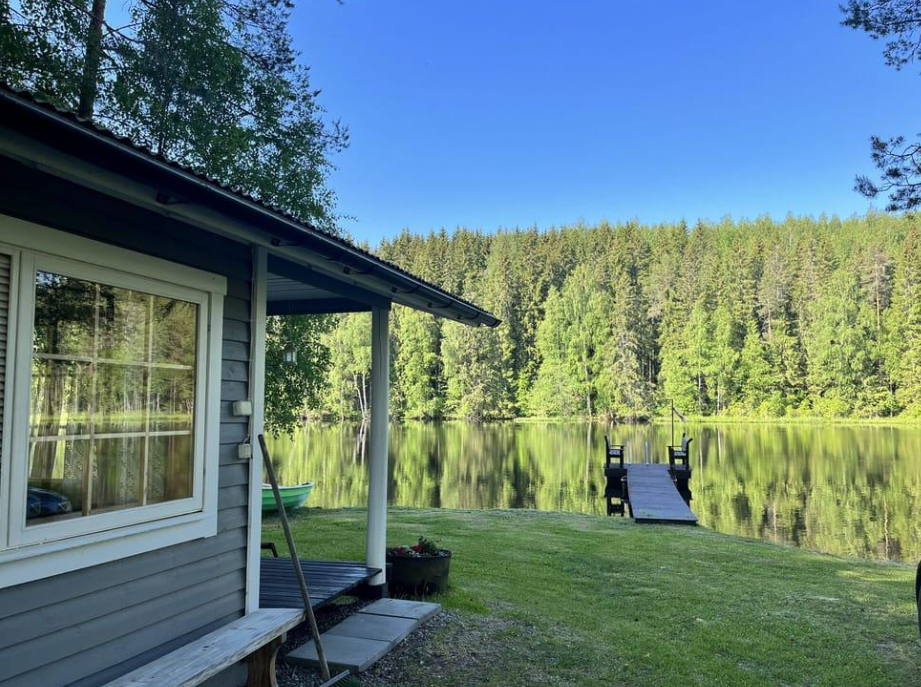
During summer, people make the most of long daylight hours, spending time walking, cycling, swimming and enjoying the countryside. Lakeside cottages become places to slow down, while forests offer opportunities to escape the noise of everyday routines.
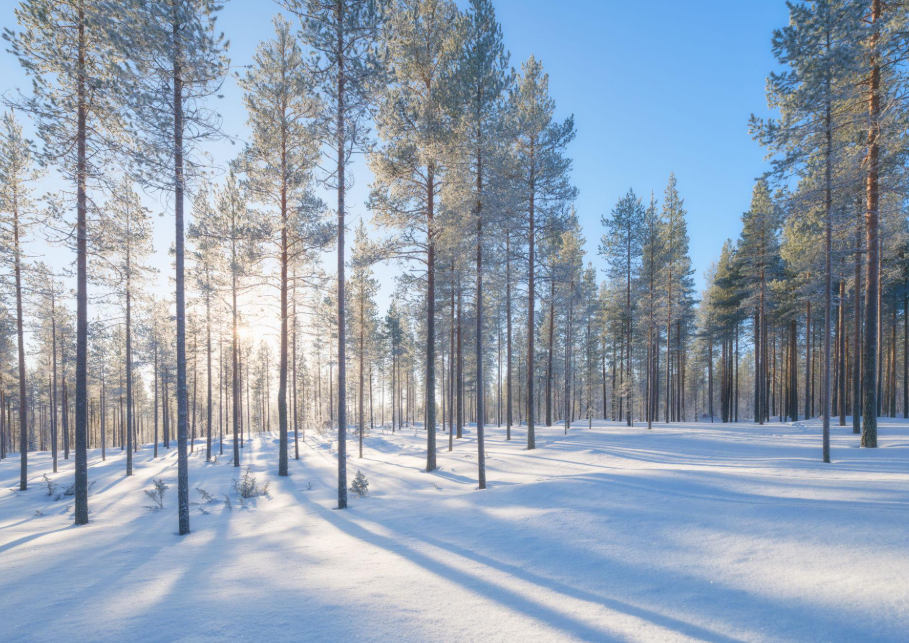
In winter, the scenery changes dramatically. Snow-covered trees, frozen lakes and quiet woodland paths create a completely different atmosphere. Outdoor activities such as skiing, skating and winter walks become part of seasonal life.
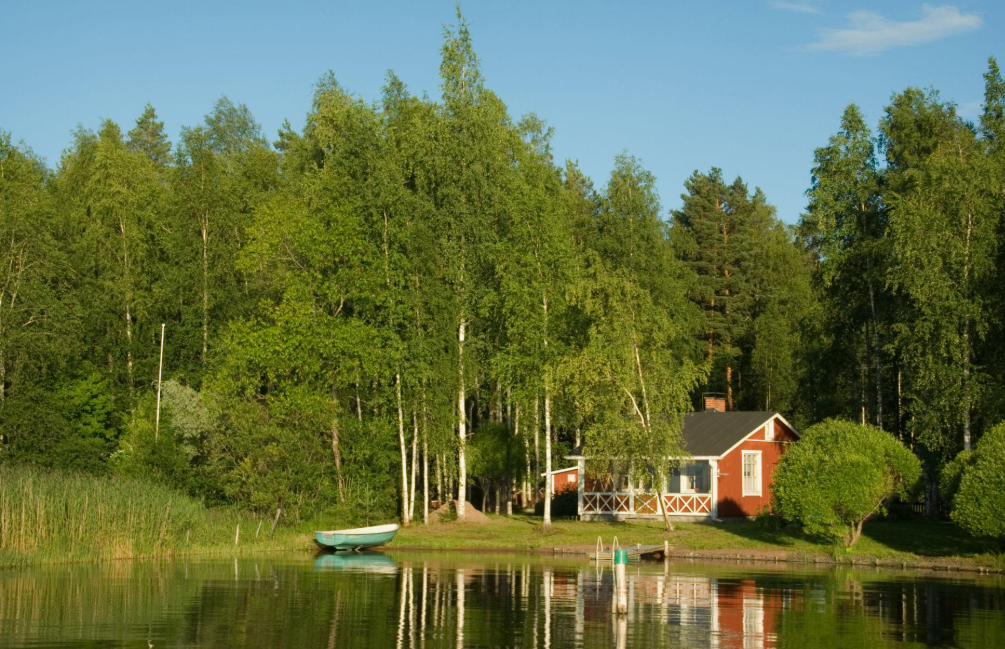
The Finnish relationship with nature is also connected to the idea of everyman’s rights, known in Finnish as jokamiehenoikeudet. These rights allow people to enjoy many natural areas, including walking and spending time in forests, regardless of who owns the land, provided they respect nature and private property.
Access to green spaces and outdoor environments can encourage movement, offer opportunities to disconnect from screens and create moments of calm.
There is something particularly appealing about a culture in which a walk through the forest or a quiet afternoon beside a lake is considered a worthwhile way to spend time.
Perhaps wellbeing sometimes begins with something as simple as stepping outside.
6. Why Simplicity and Sisu Matter
The ‘Finnish approach to everyday life‘ is often associated with simplicity, functionality and an appreciation for the ordinary.
This can be seen in many aspects of Finnish design, architecture and lifestyle. Interiors often favour natural materials, practical furniture, clean lines and comfortable spaces.
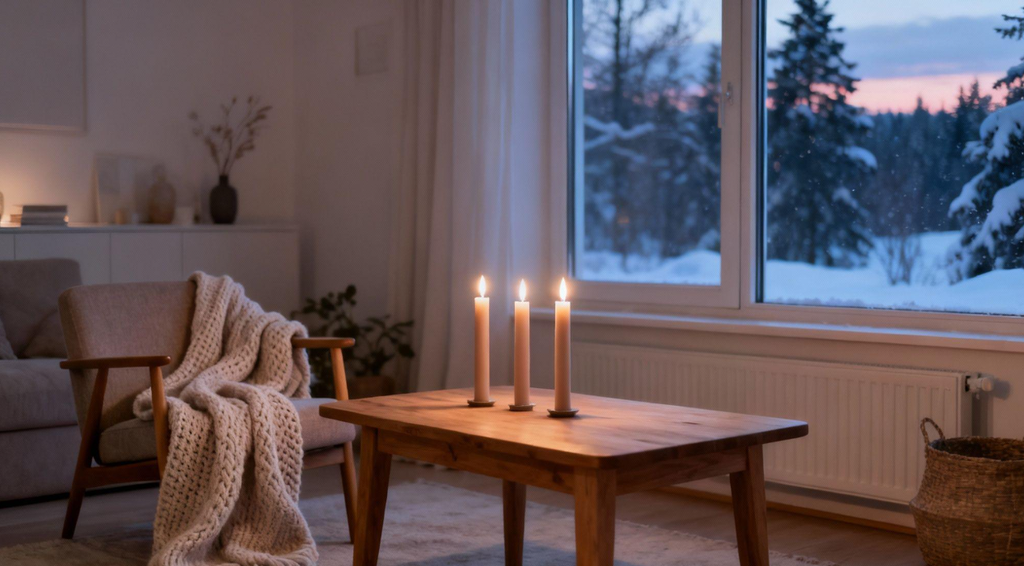
Rather than filling a home with unnecessary decoration, the emphasis is frequently placed on creating an environment that feels welcoming and useful.
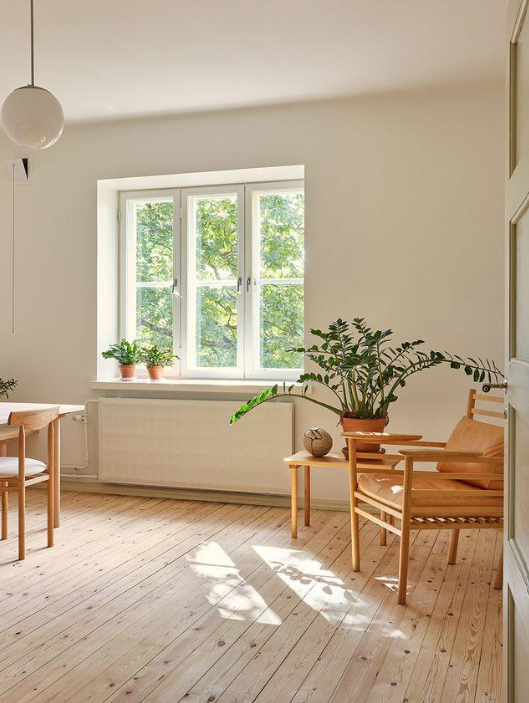
This appreciation for simplicity extends beyond aesthetics. It can also be reflected in the way people approach everyday pleasures: enjoying a meal with family, spending time outdoors, reading a book or relaxing after a long day.
But there is another Finnish concept that reveals a different side of this philosophy: sisu.
Often translated as inner strength, determination or resilience, sisu describes the ability to persevere when circumstances become challenging. It is about finding the courage to continue, even when something feels difficult or uncertain.
Sisu is not simply about being strong or refusing to give up. It also involves patience, persistence and the ability to face uncomfortable situations without expecting everything to become easy.
Unlike happiness, sisu is not about feeling positive all the time. It recognises that life inevitably includes setbacks, uncertainty and moments that require considerable effort.
The concept has a long-standing place in Finnish culture and is often associated with perseverance and quiet determination. It has also become an internationally recognised expression of resilience.
If you enjoy discovering meaningful expressions from different cultures, explore our article on beautiful words around the world, where language offers a glimpse into the values and perspectives that shape everyday life.
Perhaps this is one of the most interesting aspects of the Finnish approach: happiness does not mean avoiding difficulties. It can also mean having the inner strength to face them.
7. Sauna Culture: More Than Just a Wellness Ritual
Few Finnish traditions are as recognisable around the world as the sauna. For visitors, it may seem like an unusual wellness experience. For Finns, however, it is something much more familiar: a deeply rooted part of everyday life.
The sauna has been part of Finnish culture for centuries, and its importance extends well beyond relaxation. It is a place to slow down, spend time with others and temporarily step away from the demands of everyday life.
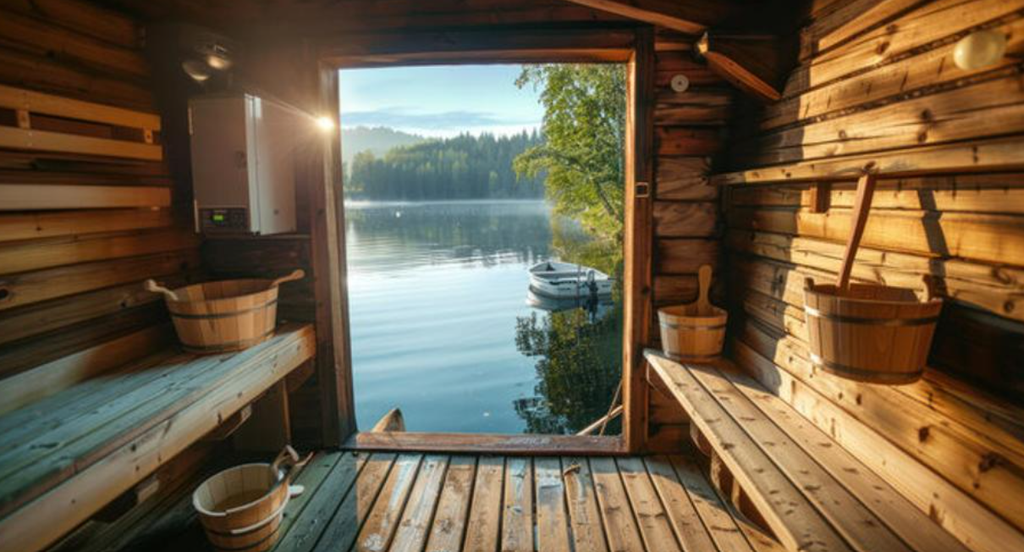
In 2020, traditional Finnish sauna culture was added to UNESCO’s Representative List of the Intangible Cultural Heritage of Humanity. The recognition celebrated not only the practice itself but also the customs, knowledge and traditions passed from one generation to another.
Finland has approximately 3.3 million saunas, an extraordinary number for a country of around 5.5 million people. They can be found in private homes, apartment buildings, summer cottages and public spaces.
One particularly interesting part of the experience is löyly, the steam created when water is thrown onto the heated stones of a sauna stove. It is an essential part of the traditional sauna experience and even has its own place in Finnish vocabulary.

For many people, a sauna session is followed by a refreshing dip in a lake, particularly during the summer. In winter, some enjoy the contrast between the warmth of the sauna and the cold outdoor air.
The tradition is also social. Families and friends gather to enjoy the experience, while public saunas offer opportunities to meet people in a relaxed environment.
Perhaps the appeal of the Finnish sauna lies in its simplicity. There are no complicated routines or elaborate expectations. Just warmth, quiet and a little time to yourself.
Sauna culture in Finland is an integral part of the lives of the majority of the Finnish population.
8. The Importance of Meaningful Social Connections
Although independence and personal space are valued in Finnish culture, meaningful relationships remain an important part of a fulfilling life.
The World Happiness Report places considerable importance on social support, examining whether people feel they have someone to count on when they experience difficulties.
This is a particularly important distinction. Happiness is not simply about having a large social circle or constantly being surrounded by people. It is also about knowing that meaningful support is available when it matters.
Family relationships, friendships and connections within local communities can all contribute to this sense of belonging.
In Finland, social connections can take many forms, from spending time with family to meeting friends for a sauna session, enjoying a meal together or going for a walk.
Shared meals are another simple way of bringing people together. They create opportunities to slow down, exchange stories and enjoy one another’s company without the need for elaborate plans.
If you enjoy making everyday gatherings feel a little more special, our guide to beautiful table setting ideas offers inspiration for creating a welcoming atmosphere around the table.
There is something appealing about the idea that relationships do not always need elaborate plans. Sometimes, a simple invitation for coffee or an ordinary afternoon spent together can be enough.
This is a useful reminder for anyone looking to improve their own wellbeing. Rather than focusing exclusively on personal achievements, it is worth making time for the people who make everyday life feel richer.
9. Finding Happiness Through the Seasons
Finland’s changing seasons have a profound influence on its landscape, routines and lifestyle. Rather than experiencing a relatively consistent climate throughout the year, residents adapt to dramatic differences in daylight, temperature and outdoor conditions.
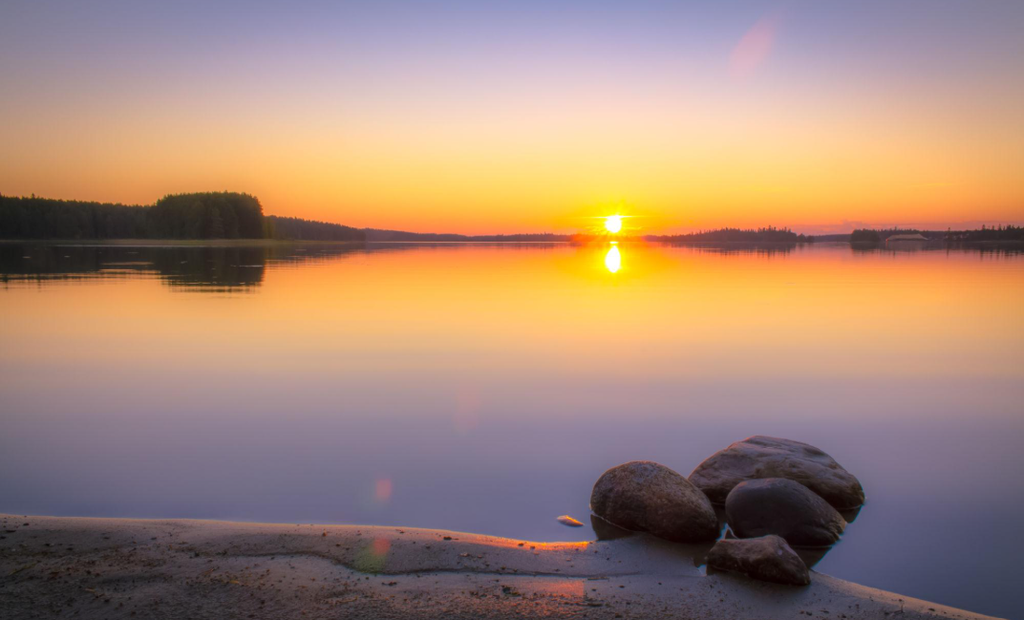
Summer is particularly special. In northern Finland, the Midnight Sun brings extended periods of daylight, with the sun remaining above the horizon for weeks in areas north of the Arctic Circle. Further south, including Helsinki, summer nights can remain remarkably bright.
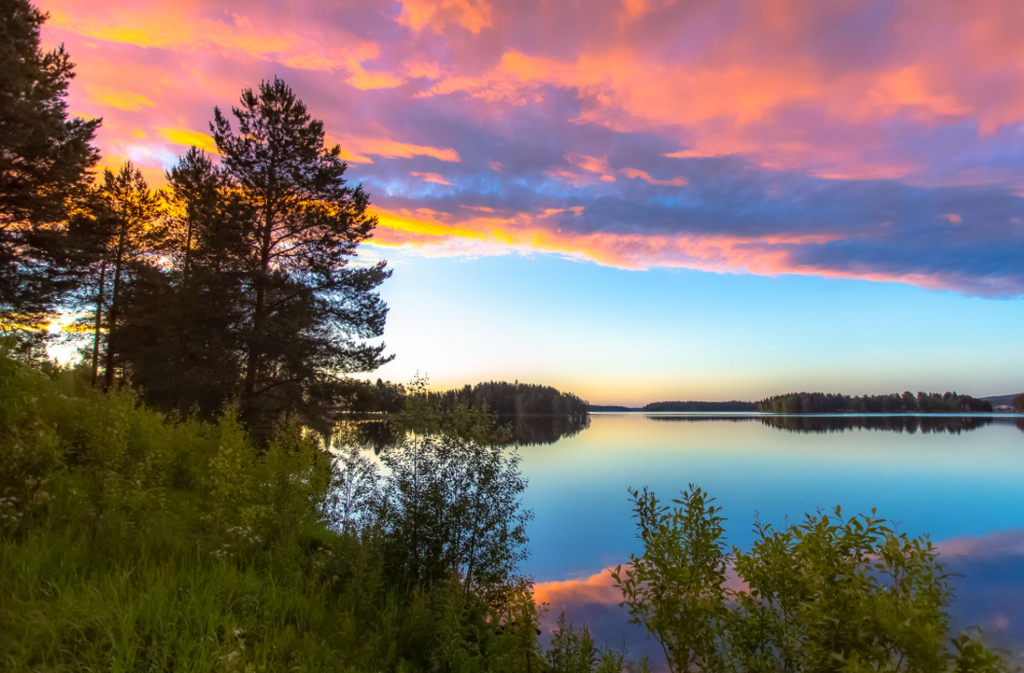
Midsummer, known as juhannus, is one of Finland’s most cherished celebrations. It takes place around the summer solstice and is traditionally associated with countryside gatherings, lakeside cottages, bonfires and sauna evenings.
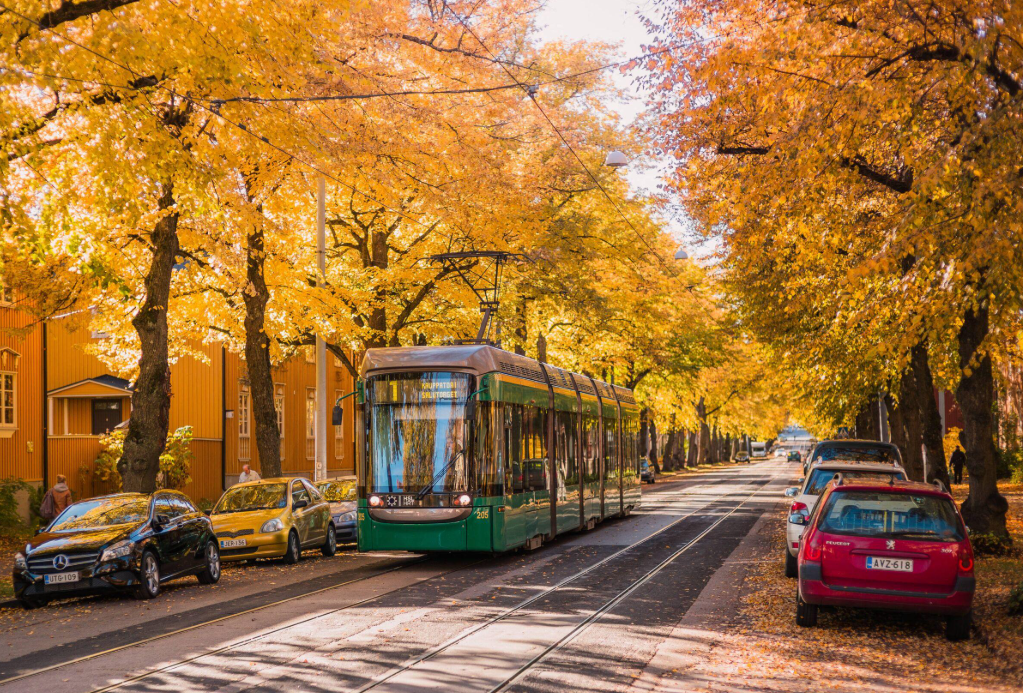
Autumn brings a completely different beauty. Known as ruska in Finnish, the season is celebrated for its colourful foliage, particularly in Lapland, where forests transform into shades of gold, orange and red.
Winter, meanwhile, introduces long periods of darkness and cold temperatures. In northern regions, the polar night, known as kaamos, creates a particularly atmospheric landscape. Snow-covered forests, warm interiors and seasonal activities become part of everyday life.

The contrast between these seasons is remarkable. Yet, rather than expecting every month to feel the same, Finnish life adapts to the rhythm of the natural world.
There is a lesson here about appreciating the present. Summer does not last forever, but neither does winter. Each season brings its own experiences, and learning to enjoy them can make everyday life feel more meaningful.
10. Finland, Technology and the Question of Modern Happiness
Finland is one of the world’s technologically advanced societies, yet the relationship between digital life and personal wellbeing is becoming an increasingly important conversation.
Technology offers enormous benefits. It makes communication easier, provides access to information and allows people to stay connected across distances. However, being constantly available can also make it harder to disconnect from work, social expectations and the pressures of comparison.
The 2026 World Happiness Report explores this issue in considerable depth, examining the relationship between internet use, social media and wellbeing across different generations and regions.
Its findings suggest that the relationship is complex. The effects of digital habits vary depending on age, intensity of use and the way platforms are used. Heavy social media use is associated with lower wellbeing in several groups, although this does not mean that every user experiences the same effects.
It is important not to interpret these findings as evidence that Finland’s happiness ranking is caused by limited social media use. The report examines broader international patterns rather than identifying digital behaviour as the single explanation for Finnish happiness.
Nevertheless, the discussion raises an interesting question: how much of our time is spent doing things that genuinely make us feel better?
A more balanced relationship with technology does not necessarily mean giving it up. It can simply involve being more intentional about when and why we use it.
Putting the phone away during meals, avoiding unnecessary scrolling before bedtime or protecting a little screen-free time each day can help create more space for real-world experiences.
11. What We Can Learn from the Finnish Way of Life
Perhaps the most valuable aspect of Finland’s happiness story is that many of its everyday principles can be adopted elsewhere.
Of course, other countries cannot simply replicate Finland’s social systems, geography or cultural traditions. Happiness is influenced by a combination of individual circumstances and wider social conditions.
However, there are small habits inspired by the Finnish approach that can make everyday life feel more balanced and fulfilling.
Spend more time outdoors.
A walk through a park, a weekend in the countryside or simply enjoying some fresh air can provide a welcome break from busy routines. Nature does not need to be spectacular to be restorative.
Make rest part of your routine.
Instead of treating relaxation as something to enjoy only after everything else is finished, give it a regular place in your schedule. Rest is an important part of living well.
Invest in meaningful relationships.
Make time for family and friends, even when life becomes busy. A conversation, a shared meal or a simple message can help maintain important connections.
Embrace simplicity.
You do not need to fill every space in your home, every hour in your calendar or every moment of your day. Sometimes, removing unnecessary distractions makes room for what matters.
Learn to appreciate ordinary pleasures.
A good cup of coffee, a quiet morning, a favourite book or a peaceful evening at home can all contribute to a more enjoyable everyday life.
If you would like to create a little more space for reflection and intentional living, our article on the Full Moon Reset offers a gentle ritual for slowing down and taking stock of your priorities.
Protect your personal time.
Work and responsibilities will always demand attention, but a fulfilling life also needs space for personal interests, experiences and relationships.
Develop your own version of sisu.
When circumstances become difficult, remember that resilience does not mean pretending everything is fine. It means recognising challenges, adapting and finding the strength to continue.
These habits may seem simple, but their value lies in consistency. A more balanced lifestyle is rarely created through one dramatic change. It is often shaped by the small decisions we make repeatedly.
EDITOR’S NOTE
Perhaps the most beautiful kind of luxury is not something we can buy. It is having the time to enjoy a quiet morning, the freedom to choose how we spend our days and the peace of mind to appreciate the life we have created. Finland’s story is a reminder that sometimes, living well begins with making space for what truly matters.
12. The Finnish Secret: Happiness Is Built, Not Bought
So, what is the secret behind Finland’s remarkable position at the top of the World Happiness Report?
There is no single answer. Its success reflects a combination of social trust, reliable institutions, equality, personal freedom, economic security and the availability of social support. These wider foundations exist alongside cultural traditions that encourage people to appreciate nature, maintain relationships and make room for everyday pleasures.
The Finnish experience also reminds us that happiness is not the same as constant excitement. It does not require every day to be extraordinary or every ambition to be fulfilled.
Sometimes, a fulfilling life is found in having the freedom to make your own choices, feeling supported by the people around you and enjoying the ordinary moments that might otherwise go unnoticed.
There is also an important distinction between the lessons Finland can offer and the idea that its lifestyle is a universal formula. Every country has its own circumstances, challenges and cultural values. What works in one society cannot necessarily be transferred directly to another.
Nevertheless, the broader message is worth considering: a good life is not measured exclusively by what we earn, own or achieve. It is also measured by the quality of our relationships, the security we feel, the time we have and our ability to enjoy the present.