There are museums you visit for a particular painting, sculpture or collection — and then there are museums where the building itself becomes part of the experience.
From Renaissance palaces and grand European galleries to futuristic structures and contemporary buildings shaped by light, water and landscape, some museums are destinations in their own right.
For this guide, rather than ranking them from “most” to “least” beautiful, we’re looking at museums where art, architecture, history and atmosphere come together. Each country appears only once, creating a genuinely international journey through some of the world’s most extraordinary cultural spaces.
And beauty doesn’t necessarily mean ornate interiors. Sometimes it is the grandeur of a historic palace; sometimes it is the simplicity of natural light, a dramatic silhouette or an innovative relationship between a building and its surroundings.
1. Louvre Museum — Paris, France
Few museums have a setting as instantly recognisable as the Louvre Museum.
The museum occupies what was once a royal palace, with a history stretching back centuries. The complex evolved considerably over time, eventually becoming one of the world’s great museums.
What makes the Louvre particularly beautiful is the extraordinary dialogue between old and new.
Its historic palace provides grand façades, courtyards and monumental galleries, while I. M. Pei’s glass Pyramid offers a striking contemporary contrast in the Cour Napoléon.
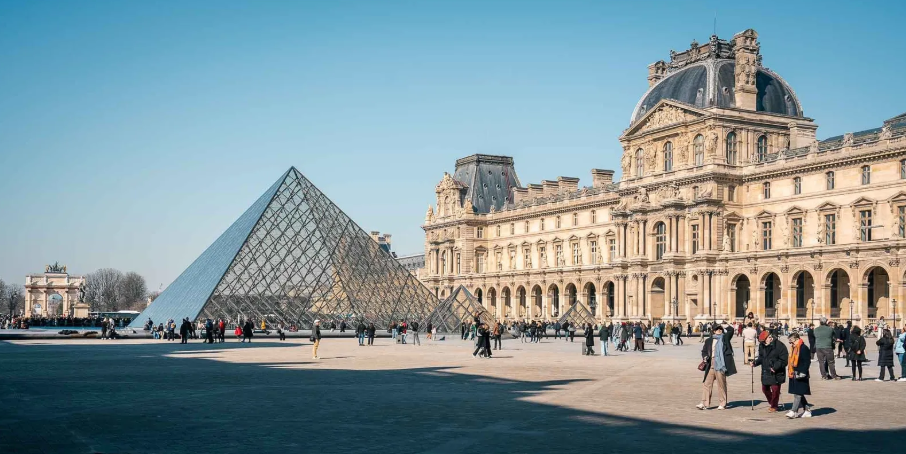
The Pyramid, inaugurated in 1989, has become one of the defining symbols of the Louvre and an example of how modern architecture can coexist with historic surroundings.
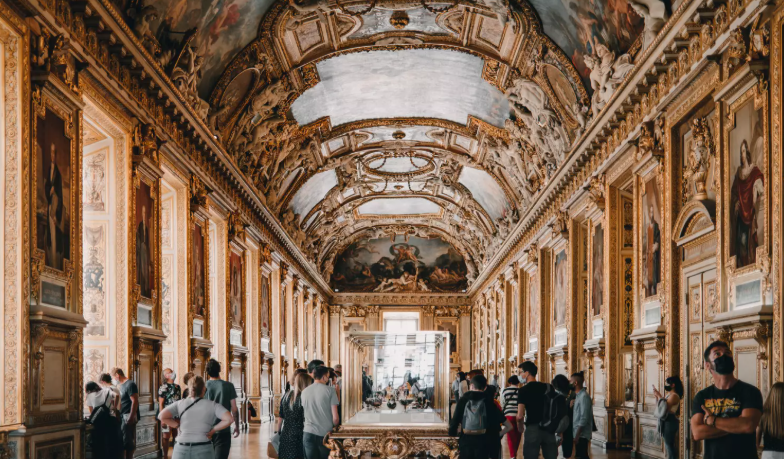
Inside, the experience constantly changes. One moment you’re walking through an immense historic gallery; the next, you’re surrounded by ornate architectural details or looking toward one of the museum’s famous courtyards.
And then there is the art itself.
The Louvre’s collections span thousands of years and numerous civilizations, making the museum as much an architectural and cultural journey as an artistic one.
DID YOU KNOW?
The Louvre was originally a fortress before becoming a royal residence and, eventually, a museum. Its extraordinary architecture therefore reflects several distinct chapters of French history.
If you’re fascinated by the beauty hidden within different cultures, our Beautiful Words From Around the World That Have No English Translation explores another side of cultural richness — the fascinating ideas and emotions that different languages express in their own unique ways.
2. Uffizi Galleries — Florence, Italy
For Italy, the Uffizi Galleries are an almost impossible museum to leave off a list like this.
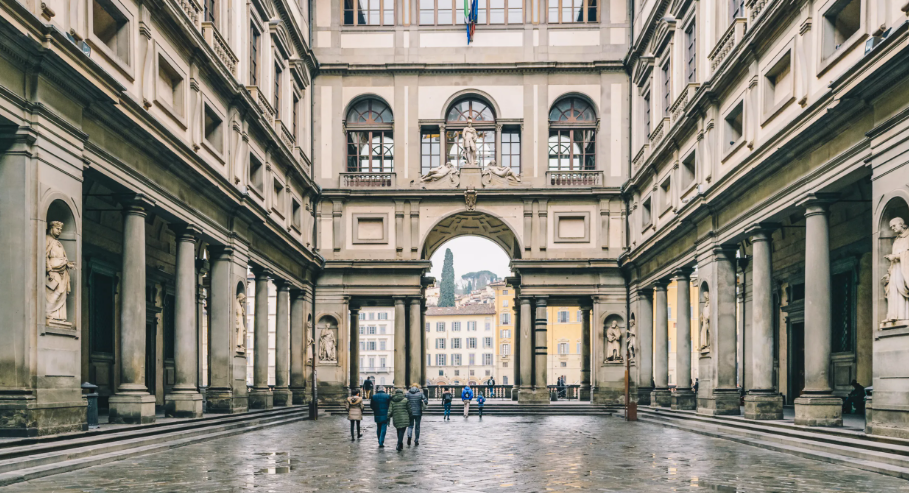
Located in the heart of Florence, the Uffizi was commissioned by Cosimo I de’ Medici and designed by Giorgio Vasari in the 16th century. The building was originally created to house Florence’s administrative offices — the uffizi — rather than function as a museum.
That history is part of its charm.
The long architectural structure along the Arno, elegant proportions and open loggias create an atmosphere that feels inseparable from Florence itself. The building is considered one of the significant examples of 16th-century Italian architecture.
And then there is the collection.
The Uffizi is particularly celebrated for its extraordinary Renaissance holdings, including masterpieces associated with artists such as Botticelli, Leonardo, Michelangelo and Raphael, alongside works by Caravaggio and many other major European artists.
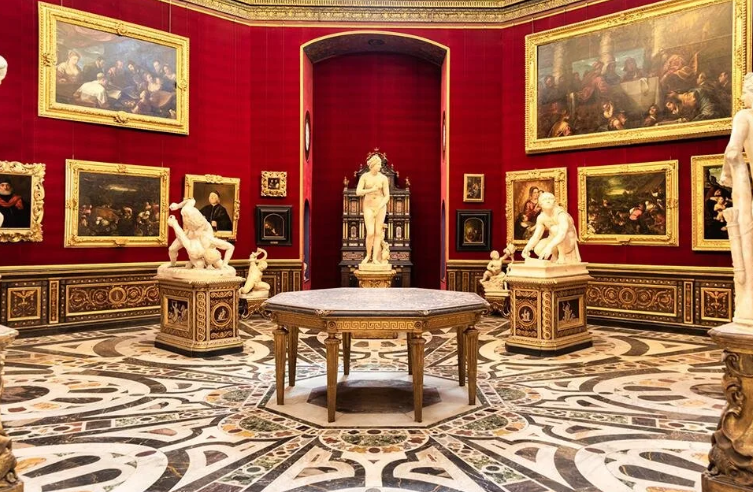
But the magic of the Uffizi is that you don’t simply walk into a room and look at art.
You move through a historic building created during one of Europe’s great cultural periods, with Florence unfolding outside its windows.
The museum itself becomes part of the artwork.
3. Guggenheim Museum Bilbao — Bilbao, Spain
If the Uffizi represents the beauty of historical architecture, the Guggenheim Museum Bilbao represents the opposite: a museum that became an architectural icon through its embrace of the contemporary.
Designed by Frank Gehry, the museum is one of the most recognisable examples of late-20th-century architecture. Its sculptural exterior combines titanium, glass and limestone and was designed to integrate with Bilbao’s urban and riverside setting.
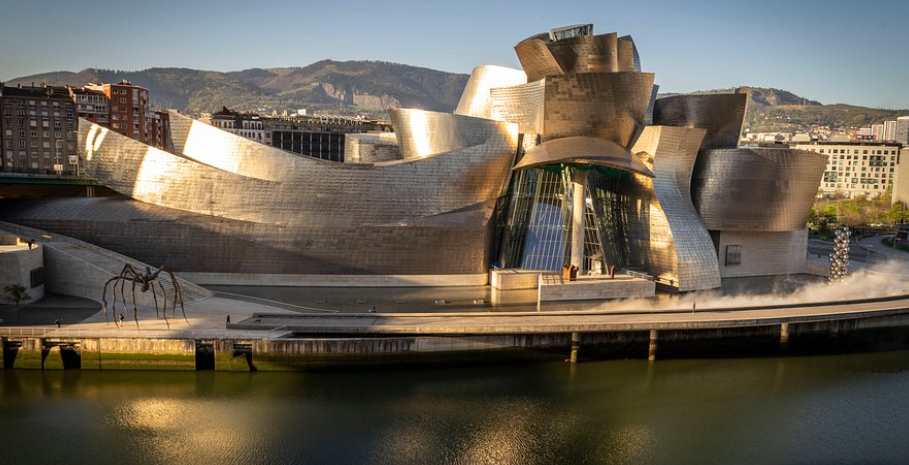
The titanium exterior is particularly fascinating because its appearance changes with the weather and light.
Inside, the architecture continues to surprise. The museum is organised around a large central Atrium, with curved walkways, glass and titanium elements and galleries that range from traditional geometric spaces to highly organic forms.
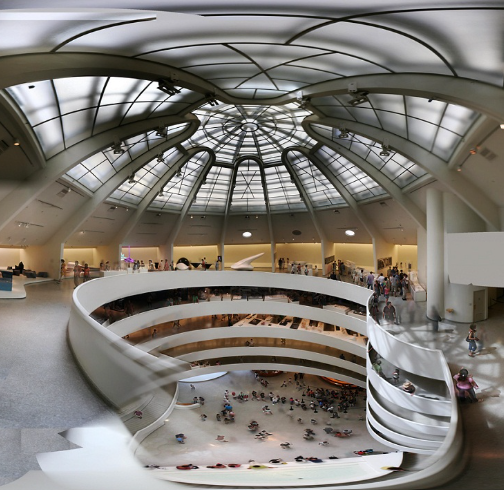
This is a museum where you can genuinely appreciate the architecture before you’ve seen a single artwork.
The building doesn’t simply house the collection.
It is part of the experience.
TIP
When visiting an architecturally remarkable museum, don’t rush straight toward the galleries. Spend a few minutes simply observing the building from different angles. Notice how the light, materials and surrounding landscape change your perception of the space.
4. Rijksmuseum — Amsterdam, Netherlands
The Rijksmuseum offers a very different kind of beauty: monumental, historic and richly detailed.
Designed by architect Pierre Cuypers, the building combines Gothic and Renaissance influences and officially opened in 1885.
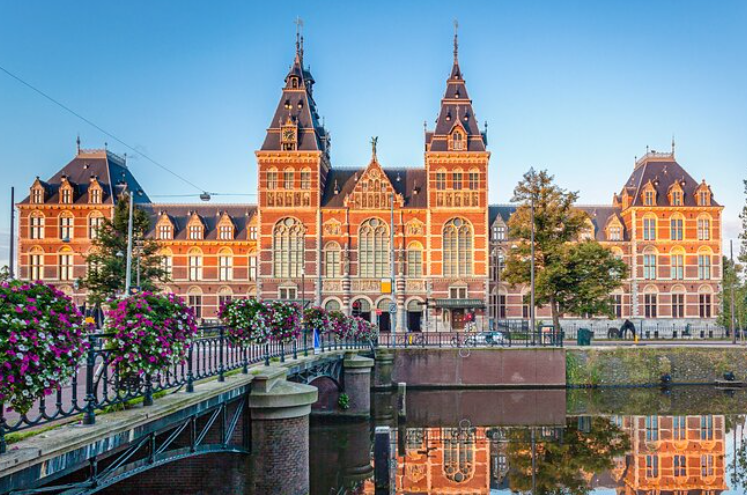
Its architecture immediately establishes a sense of occasion.
The grand exterior, decorative details and monumental spaces make entering the museum feel almost like entering a historic palace.
Yet the museum has continued to evolve. Modern renovations have preserved Cuypers’ original decorative programme while introducing contemporary museum spaces, creating an interesting balance between 19th-century grandeur and modern design.
And naturally, the building provides an extraordinary setting for Dutch art.
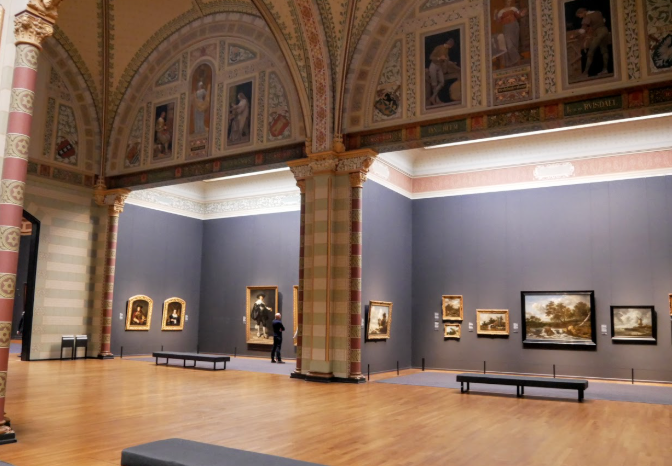
The Rijksmuseum is particularly associated with masterpieces from the Dutch Golden Age, making the combination of architecture, history and art especially powerful.
One of the pleasures here is simply slowing down.
Rather than rushing from masterpiece to masterpiece, look upward, notice the architecture around the paintings and pay attention to the way the building frames the collection.
5. Victoria and Albert Museum — London, United Kingdom
The Victoria and Albert Museum, or V&A, is a wonderful choice for a list about beauty because its philosophy has always connected art, design and architecture.
The museum’s origins lie in the Great Exhibition of 1851, and its buildings were conceived not simply as containers for collections but as examples of contemporary architecture and design themselves. The V&A describes its buildings as works of art that were intended to educate and inspire visitors.
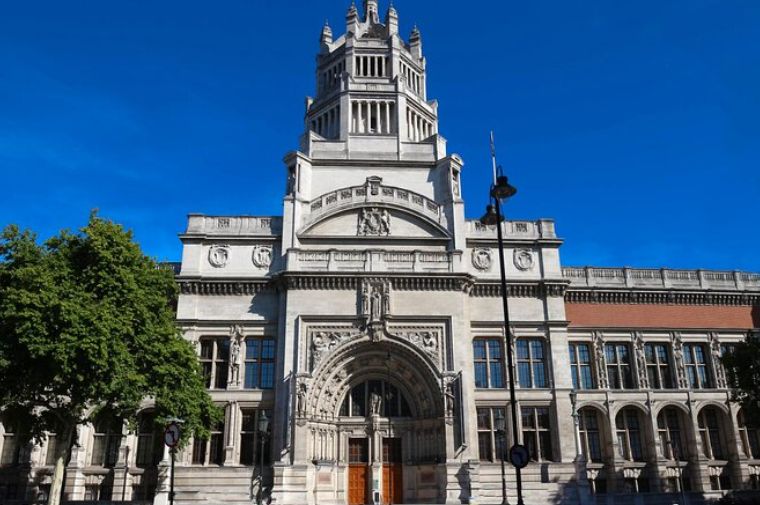
That philosophy remains visible today.
The museum’s architecture is remarkably varied, reflecting different moments in British design history. Its collections span decorative arts, fashion, furniture, architecture and countless other forms of visual culture.
This makes the V&A particularly interesting for visitors who don’t think of museums purely in terms of paintings.
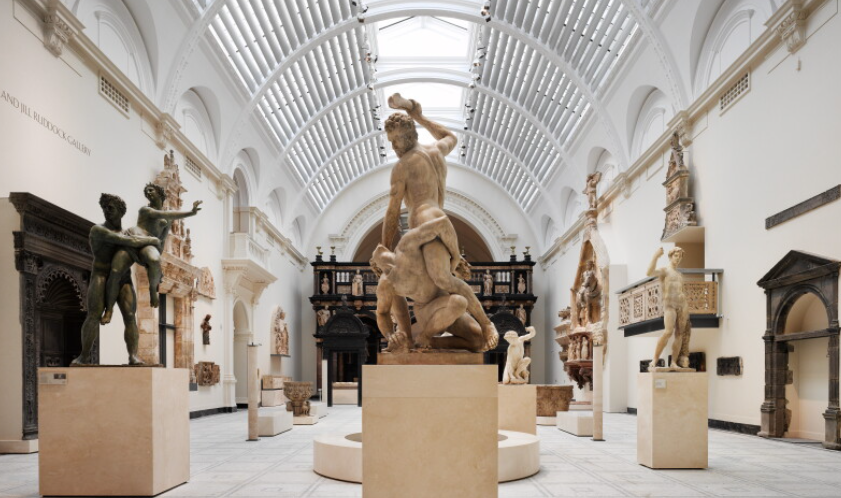
You can move from historic rooms and decorative objects to fashion, jewellery and architectural displays, constantly encountering new ideas about how beauty is designed and lived with.
6. The Metropolitan Museum of Art — New York, USA
New York’s Metropolitan Museum of Art brings a completely different sense of scale.
The museum’s monumental presence on Fifth Avenue is only the beginning. Inside, the experience stretches across cultures, centuries and artistic traditions.
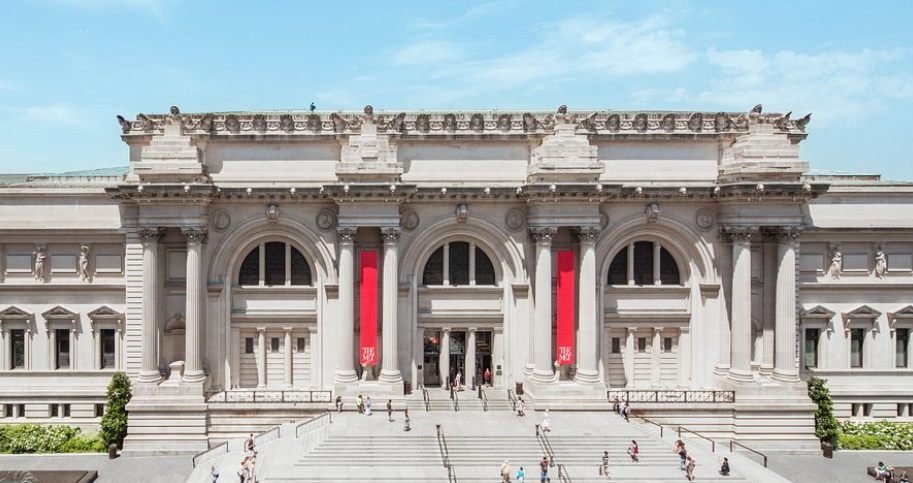
Rather than representing one artistic period or aesthetic, the Met brings together an extraordinary variety of human creativity.
That makes it particularly fascinating for a traveller.
You can move between ancient civilisations, European painting, decorative arts, fashion, sculpture and objects from cultures around the world — all within the same institution.
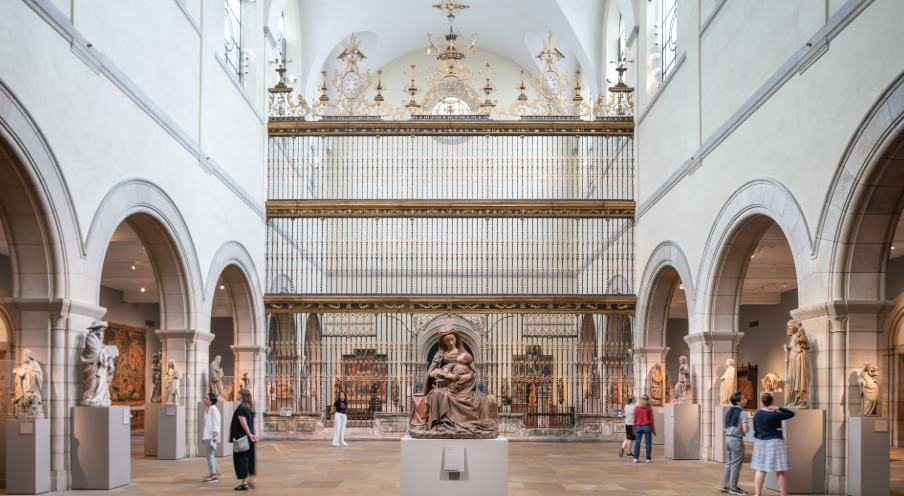
And perhaps that is precisely what makes the Met beautiful.
It doesn’t ask you to experience art in only one way.
It invites you to wander, discover and make your own connections between different cultures and periods.
7. Kunsthistorisches Museum — Vienna, Austria
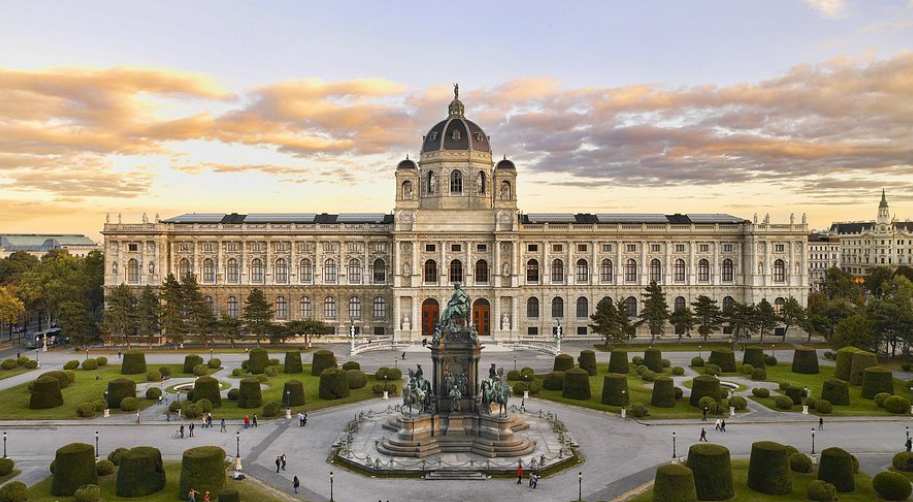
Vienna is a city filled with beautiful buildings, but the Kunsthistorisches Museum is particularly spectacular.
Built during the late 19th century for the imperial collections of the Habsburgs, the museum has an imposing exterior and richly decorated interiors that reflect the grandeur of the period.
Inside, the experience is almost palatial.
Grand staircases, columns, decorative ceilings and marble surround galleries filled with European art and historical treasures.
The museum is particularly renowned for its collection of Old Master paintings, including works associated with artists such as Bruegel, Vermeer, Velázquez, Rubens and Caravaggio.
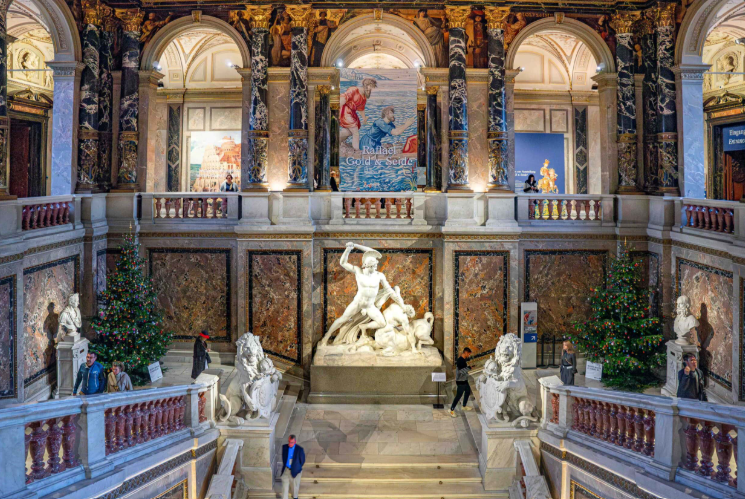
One of its most memorable features is the grand staircase, where architecture and art become almost impossible to separate.
The Kunsthistorisches Museum is a reminder that sometimes the journey between artworks can be just as beautiful as the artworks themselves.
8. Museum of Islamic Art — Doha, Qatar
On Doha’s Corniche, surrounded by water, stands one of the world’s most distinctive museums: the Museum of Islamic Art.
Designed by renowned architect I. M. Pei, the building combines a modern architectural language with inspiration from Islamic geometric forms. The cream-coloured limestone exterior changes subtly with the light throughout the day.
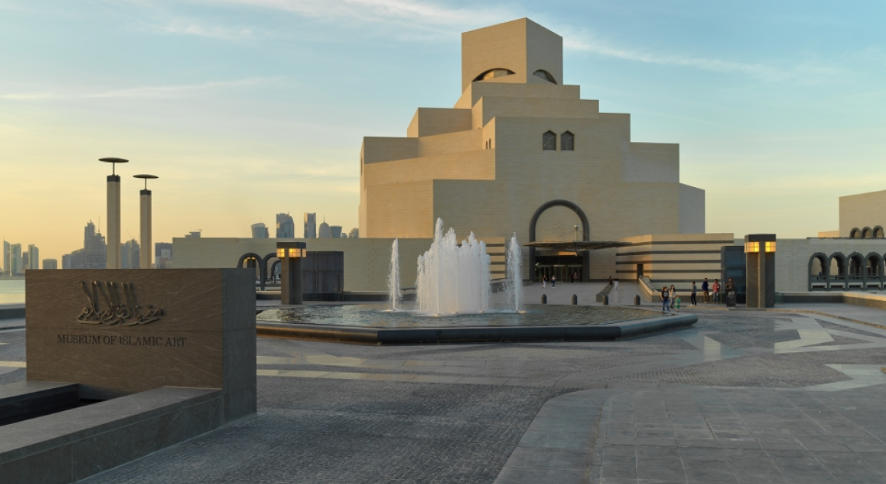
Its location is an important part of its beauty.
The museum’s geometric forms rise dramatically from the waterfront, while the interior features a monumental atrium, curved staircase and an oculus that allows patterned light to enter the space.
Inside, the museum presents a comprehensive collection of Islamic art spanning centuries, including manuscripts, ceramics, jewellery, textiles, metalwork and other objects representing the diversity of Islamic heritage.
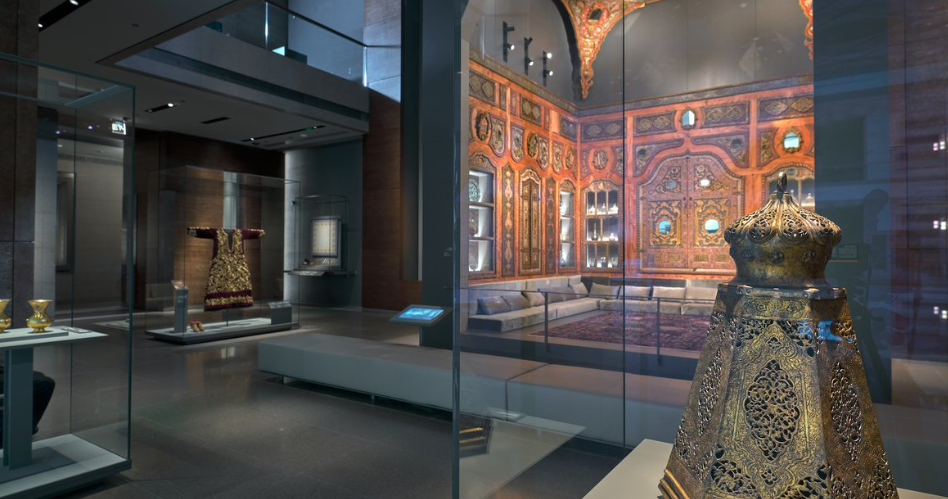
What makes the museum especially compelling is the way the building and collection complement one another.
Both demonstrate the extraordinary sophistication and diversity of Islamic artistic traditions.
9. Louvre Abu Dhabi — Abu Dhabi, UAE
The Louvre Abu Dhabi is one of the most striking museums in the UAE — and one of the most visually distinctive cultural buildings in the region.
Designed by Jean Nouvel, the museum is organised as a series of white geometric buildings beneath an enormous silvery dome. The museum’s architecture was conceived in response to the relationship between the Arabian sky, the sands of Saadiyat Island and the waters of the Arabian Gulf.
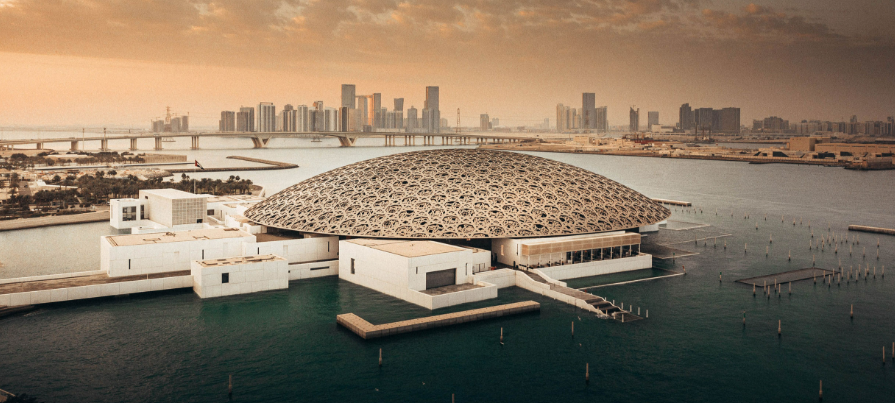
But the dome is more than an architectural feature.
Its complex geometric structure contains 7,850 stars arranged across eight layers. As sunlight filters through the openings, it creates constantly changing patterns known as the “rain of light.” The effect was inspired by the way sunlight filters through palm leaves.
Water surrounds and flows through parts of the museum-city, creating an extraordinary relationship between architecture, sea and light.
Inside, artworks and objects from different civilisations are presented in a way that encourages visitors to discover connections across cultures and periods.
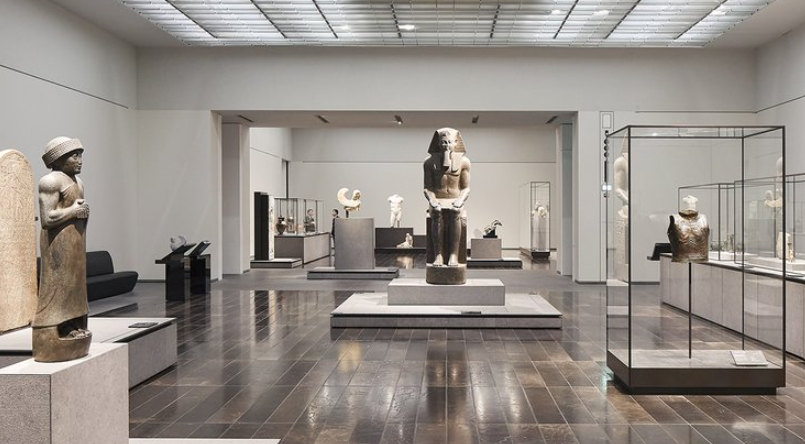
The result is a museum that feels particularly appropriate for Abu Dhabi: contemporary, international and deeply connected to its environment.
DID YOU KNOW?
The Louvre Abu Dhabi’s famous dome is made from thousands of individual metal elements arranged in overlapping geometric patterns. The design was inspired by the way light filters through the leaves of palm trees and traditional architecture, creating the museum’s distinctive changing patterns of light.
If Abu Dhabi’s architecture has captured your attention, discover another of the emirate’s extraordinary landmarks in our guide to Sheikh Zayed Grand Mosque: The Story, Design & Secrets Behind Abu Dhabi’s Icon.
10. teamLab Borderless — Tokyo, Japan
For Japan, we can move completely away from the traditional museum model.
teamLab Borderless offers an immersive experience in which digital artworks move beyond the boundaries of individual rooms and installations.
There is no conventional sequence of paintings hanging quietly on white walls.
Instead, light, sound, movement and digital imagery transform the spaces around visitors.
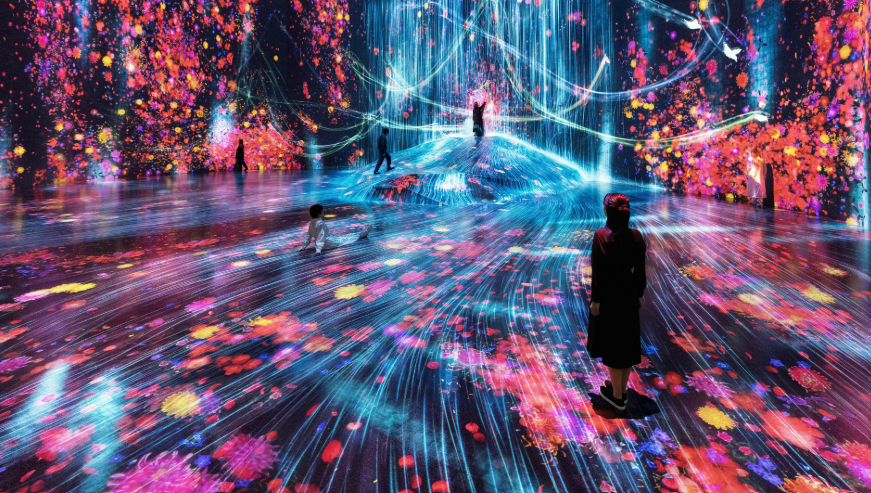
Art can appear to spill from one space into another, change according to the movement of people or evolve over time.
That makes the experience particularly different from the grand historic museums elsewhere on this list.
Its beauty is ephemeral.
You cannot experience it simply by looking at photographs because the atmosphere depends on movement, light and your own presence within the work.
For anyone who loves contemporary design, technology and immersive art, it offers a completely different definition of what a beautiful museum can be.
11. Acropolis Museum — Athens, Greece
At the foot of the Acropolis, the Acropolis Museum offers a remarkable meeting of ancient history and contemporary architecture.
Designed by architects Bernard Tschumi and Michael Photiadis, the museum uses glass, concrete and carefully positioned columns to create a modern setting for the archaeological treasures of the Acropolis. One of its most striking features is the Parthenon Gallery, whose glass walls provide extraordinary views toward the Parthenon itself.
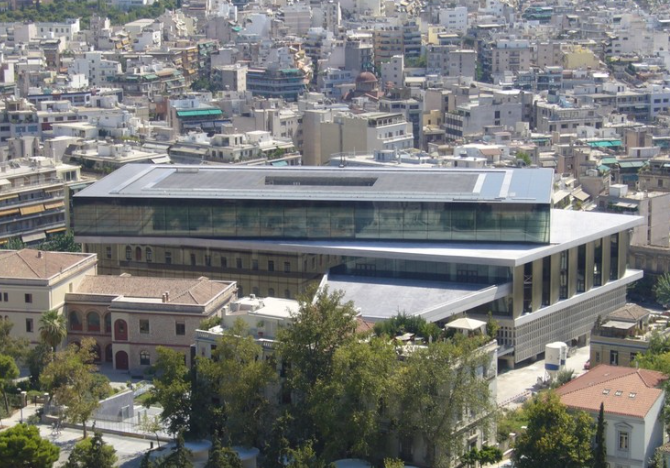
The relationship between the museum and the ancient monument is what makes the experience so special. As you walk through the galleries, you can see the Acropolis outside, creating a visual connection between the original architectural setting and the objects preserved inside.
The building also makes thoughtful use of natural light, particularly in the upper gallery, where the sculptures are displayed in a bright, open environment that echoes the proportions and orientation of the Parthenon.
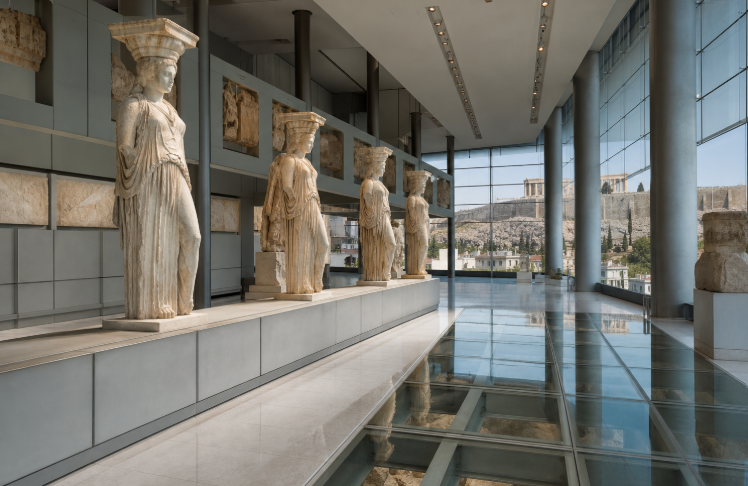
Rather than trying to compete with the ancient monument, the museum frames it.
That balance between contemporary design, archaeological heritage and the Athenian landscape makes the Acropolis Museum one of the world’s most compelling cultural spaces.
12. The State Hermitage Museum — St. Petersburg, Russia
Few museums embody imperial grandeur quite like the State Hermitage Museum in St. Petersburg.
The museum occupies a remarkable architectural complex that includes the Winter Palace, Small Hermitage, Old Hermitage, New Hermitage and Hermitage Theatre. The Winter Palace, the most recognisable of these buildings, was constructed between 1754 and 1762 for Empress Elizabeth and designed by Francesco Bartolomeo Rastrelli in the lavish Russian Baroque style.
From the outside, the Winter Palace is already spectacular, with its monumental scale, ornate façades and distinctive architectural rhythm. But the interiors are where the Hermitage truly becomes extraordinary.

Grand staircases, richly decorated state rooms, gilded details, marble and elaborate ornamentation create an atmosphere that feels more like an imperial residence than a conventional museum. The museum itself notes that many of its interiors are architectural masterpieces.
And then there is the collection.
The State Hermitage holds more than three million works of art and artefacts, spanning painting, sculpture, decorative arts, archaeology and other areas of world culture.
What makes the Hermitage particularly memorable, however, is the way art and architecture compete for your attention — and somehow complement each other instead.
You don’t simply walk through galleries filled with masterpieces. You move through the former imperial world of the Romanovs, where the rooms themselves tell a story of power, ceremony and extraordinary artistic ambition.
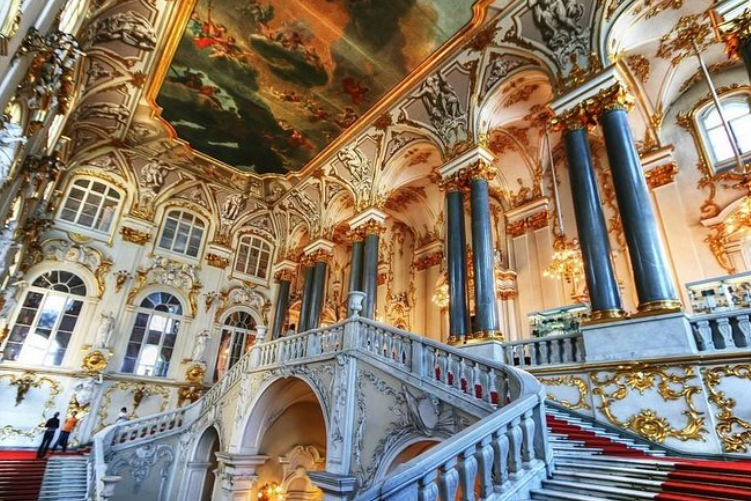
It is perhaps one of the clearest examples of a museum where the building is every bit as memorable as what it contains.
The aim of art is to represent not the outward appearance of things, but their inward significance.
Whether or not we approach every museum in exactly this philosophical way, the idea is particularly fitting here: the most memorable museums invite us to look beyond the surface and understand something about the people, cultures and ideas behind what we see.
What Makes a Museum Truly Beautiful?
After travelling from Florence and Paris to Tokyo, Doha, Abu Dhabi and Mexico City, one thing becomes clear: there is no single definition of museum beauty.
The Louvre offers centuries of architectural evolution.
The Uffizi transports you into Renaissance Florence.
Bilbao demonstrates how contemporary architecture can transform the identity of a city.
The Museum of Islamic Art shows how geometry, light and water can create serenity.
Louvre Abu Dhabi turns sunlight into part of the visitor experience.
teamLab Borderless challenges the very idea of what a museum can be.
And the Blue House proves that intimacy can be just as powerful as grandeur.
The most beautiful museums are therefore not necessarily the largest, oldest or most famous.
They are the ones where the building, the collection and the surrounding culture create a memorable experience together.
And museums aren’t the only places where architecture and culture come together so beautifully. If you love discovering extraordinary cultural spaces, continue exploring with The Most Beautiful Libraries in the World, from grand Baroque halls to remarkable modern reading rooms.
EDITOR’S NOTE
Beauty is one of the most personal reasons to travel. You don’t have to be an art historian to appreciate a museum. Sometimes a building, a particular room, a shaft of light or a beautifully displayed object is enough to make a place stay with you long after you’ve left.
More Than a Place to See Art
A museum visit can be about far more than checking famous masterpieces off a list.
Look at the architecture.
Notice the materials and light.
Pay attention to the way the collection is displayed.
Walk slowly.
Take time to observe the spaces between the artworks.
And, whenever possible, step outside and experience the relationship between the museum and its city.
That is often where the real magic happens.
A museum can introduce you to a culture through its paintings and objects, but it can also reveal something through the way it is built, the way it uses space and the way it invites you to move through it.
Museums and cafés often share an appreciation for beautiful surroundings, and for another perspective on how architecture transforms the coffee experience, discover The Most Beautiful Cafés in the World.
The Beauty of Looking Closer
Perhaps the greatest thing museums teach us is to look more carefully.
At a painting, you may notice a detail that initially escaped you.
In an old building, you may suddenly see a carved doorway or painted ceiling.
In a contemporary museum, you may discover that the architecture changes completely depending on where you stand.
Beauty often rewards attention.
And whether you’re wandering through a Renaissance gallery in Florence, standing beneath the dome of Louvre Abu Dhabi or watching digital artwork move around you in Tokyo, the most beautiful museums are ultimately the ones that make you pause, look again and feel something.
That is what makes them worth travelling for.