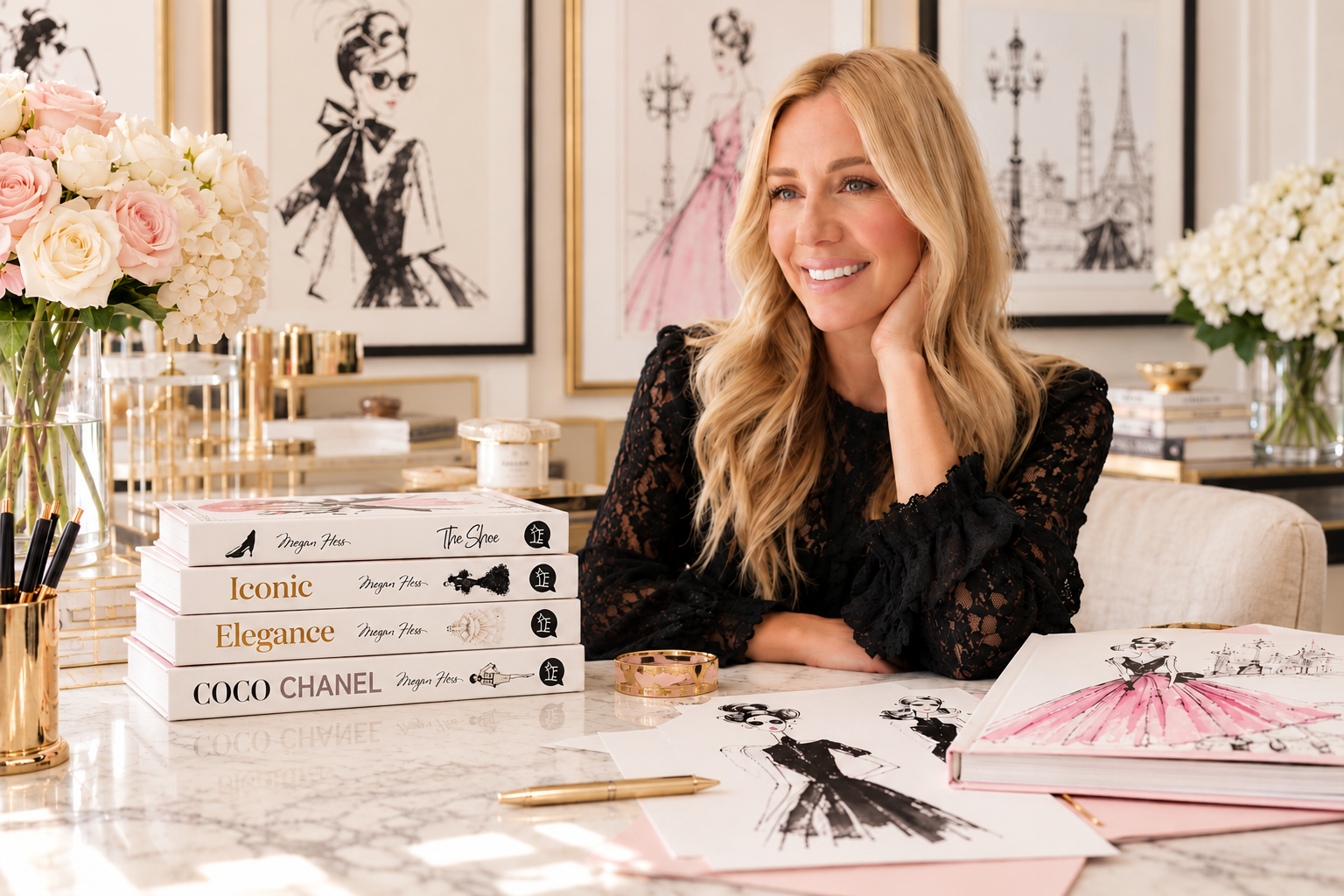
Some fashion books tell the story of a designer. Others capture the personality of a cultural icon or celebrate a garment that has become part of our collective style vocabulary. Megan Hess brings these subjects into the world of fashion illustration, combining an appreciation for design with a distinctive visual approach.
The Australian illustrator and author is known for her elegant drawings of couture, accessories and the personalities associated with the fashion industry. Her books offer different entry points into this world, whether through the legacy of a celebrated designer, the glamour of classic Hollywood or the evolution of a wardrobe essential.

For readers who enjoy discovering the stories behind fashion’s most recognisable names, these ten titles offer a starting point.
1. Coco Chanel: The Illustrated World of a Fashion Icon
Gabrielle “Coco” Chanel transformed women’s fashion by challenging established ideas about how elegance should look and feel. Her vision introduced greater freedom of movement, drew inspiration from menswear and helped establish a modern approach to dressing that continues to influence designers.
In Coco Chanel: The Illustrated World of a Fashion Icon, Megan Hess explores the life and legacy of the woman behind the famous double-C emblem. Chanel’s story is particularly compelling because her influence extended beyond individual garments: she created a recognisable aesthetic that shaped the identity of an entire fashion house.
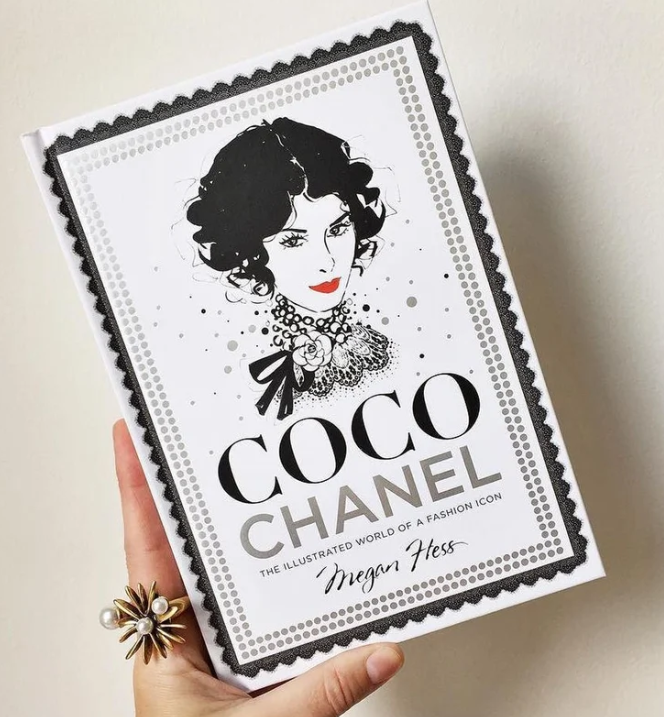
Her preference for considered details, streamlined silhouettes and a balance between femininity and practicality helped establish a design language that remains instantly recognisable. The story also reveals how a designer’s personal vision can become a lasting cultural symbol.
For readers interested in the origins of modern luxury fashion, Chanel provides a fascinating case study in creative independence and brand identity.
Discover more about the designer’s remarkable legacy in our Designer Edit: Coco Chanel.
Why read it: For an introduction to the designer whose ideas helped redefine modern womenswear.
2. Christian Dior: The Illustrated World of a Fashion Master
Christian Dior‘s arrival on the couture scene in 1947 marked a dramatic shift in post-war fashion. His first collection introduced rounded shoulders, defined waists and generous skirts, creating the silhouette that became known as the New Look.
At a time when clothing had been shaped by wartime restrictions, Dior presented a vision of femininity built around volume, luxurious fabrics and meticulous construction. His designs restored a sense of spectacle to haute couture and helped re-establish Paris as a centre of international fashion.
Megan Hess’s Christian Dior: The Illustrated World of a Fashion Master explores the couturier whose creative vision transformed the direction of the industry. Dior’s story is especially interesting for readers who want to understand how a collection can change the course of fashion rather than simply reflect its moment.
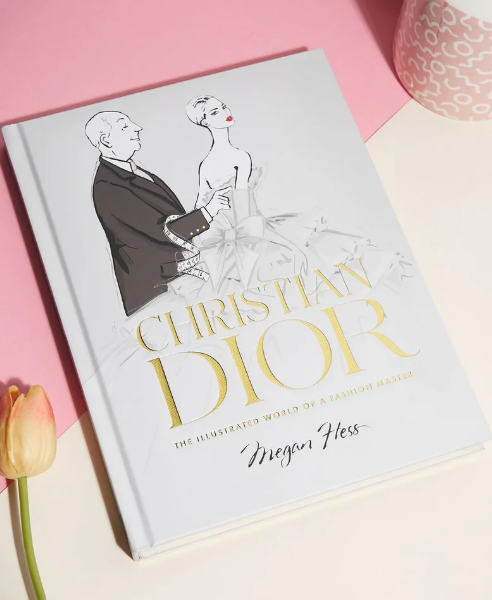
His influence continues through the house that bears his name, where successive creative directors reinterpret its codes for new generations.
Why read it: An appealing choice for anyone fascinated by couture, garment construction and the history of Parisian fashion.
For more stories about the designers who shaped luxury style, explore our Designer Edit.
DID YOU KNOW?
Megan Hess illustrated the cover of Sex and the City, written by Candace Bushnell, in 2008. That project helped bring her fashion illustration to a wider audience, paving the way for a career working with some of the world’s most prestigious fashion houses.
3. Audrey Hepburn: The Illustrated World of a Fashion Icon
Audrey Hepburn‘s relationship with fashion was inseparable from her work on screen, but her influence extended well beyond film costumes. Her collaboration with French couturier Hubert de Givenchy helped establish one of the most celebrated partnerships between an actress and a designer.
Their creative relationship produced memorable looks in films including Sabrina and Breakfast at Tiffany’s. Givenchy understood how to dress Hepburn in a way that complemented her proportions and personality, creating a visual identity that felt distinct from the more elaborate glamour associated with some of her contemporaries.
Her understated elegance remains an inspiration for anyone building a wardrobe around enduring style rather than passing trends.
In Audrey Hepburn: The Illustrated World of a Fashion Icon Megan Hess explores Hepburn’s life, career and cultural significance. Beyond her screen presence, Hepburn later became widely recognised for her humanitarian work with UNICEF, adding another dimension to her public legacy.
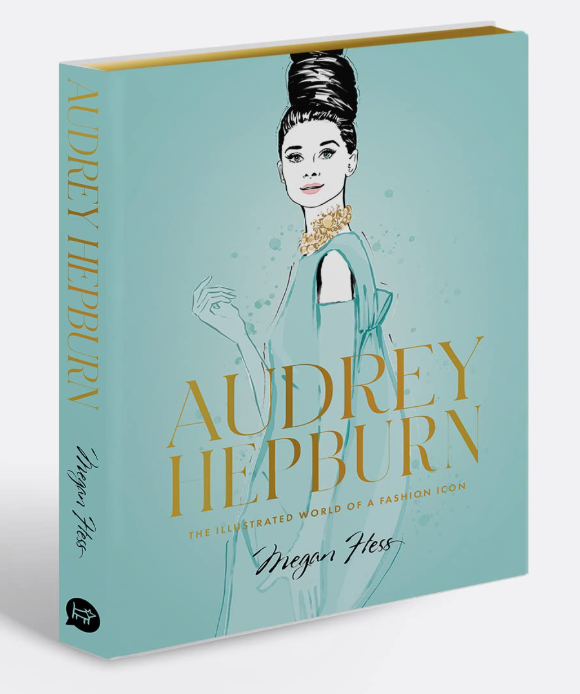
The result is a subject that connects film, fashion and philanthropy, making Hepburn’s story particularly appealing to readers interested in the people behind iconic images.
Why read it: For admirers of classic cinema and the creative partnerships that helped define its most memorable fashion moments.
STYLE TIP
Take inspiration from the proportions of a favourite film-era outfit rather than copying it from head to toe. A cropped jacket, a high-waisted trouser or a carefully placed belt can introduce vintage character while keeping the overall look contemporary.
4. Grace Kelly: The Illustrated World of a Fashion Icon
Grace Kelly‘s life brought together two very different worlds: Hollywood and European royalty. Her transition from acclaimed actress to Princess of Monaco made her a subject of international fascination, while her public appearances established a distinctive visual identity.
Her wardrobe was characterised by polished tailoring, refined accessories and an understanding of dressing for the occasion. Unlike the dramatic silhouettes associated with some couture collections, Kelly’s public style often relied on restraint and precision.
Megan Hess’s Grace Kelly: The Illustrated World of a Fashion Icon offers an opportunity to explore the actress and princess through the lens of fashion illustration. Her story is particularly interesting because clothing played a role in communicating her changing public position, from film premieres to official royal engagements.
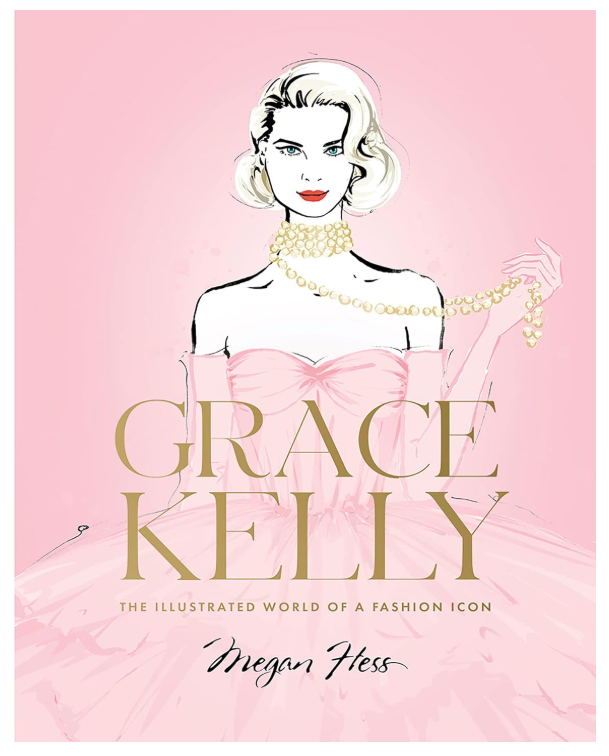
Kelly’s influence also lives on through fashion objects associated with her name, including the Hermès Kelly bag. The connection demonstrates how a photograph, a public figure and a design can become intertwined in fashion history.
Why read it: A compelling choice for readers interested in royal history, Hollywood heritage and the role of personal presentation in public life.
5. The Little Black Dress
Unlike a designer biography, The Little Black Dress centres on a single garment and the many ways it has been interpreted across fashion history.
The little black dress has taken countless forms, from streamlined daytime designs to elaborate evening creations. Its versatility lies in its ability to adapt to different settings through changes in silhouette, fabric, accessories and styling.
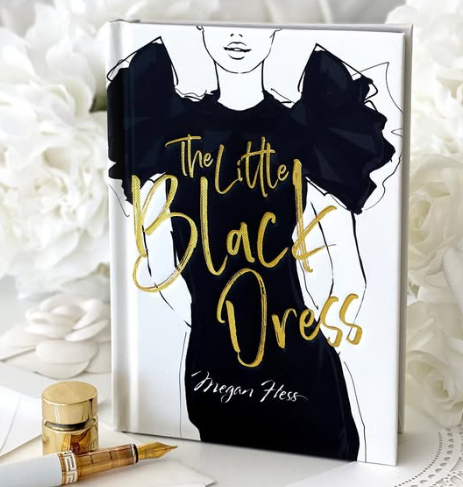
The garment became particularly associated with modern fashion through the work of designers such as Coco Chanel, although its history extends beyond one person or one collection. Over time, it has been reimagined by couture houses, contemporary designers and women developing their own personal wardrobes.
Hess’s illustrated approach makes the subject especially suited to a visual exploration. Different cuts and proportions can be appreciated as individual design choices, demonstrating how a seemingly simple colour can accommodate a remarkable range of creative expression.
Why read it: For readers interested in the evolution of one garment and the many interpretations that have secured its place in fashion culture.
6.The Bag
A handbag can reveal a great deal about the design philosophy of the house behind it. Shape, hardware, materials and construction all contribute to an accessory’s identity, while certain models become recognisable across generations.
In The Bag, Megan Hess turns her attention to handbags as objects of design and desire. The subject spans a wide range of styles, from structured top-handle bags to softer everyday silhouettes, each with its own character and practical considerations.
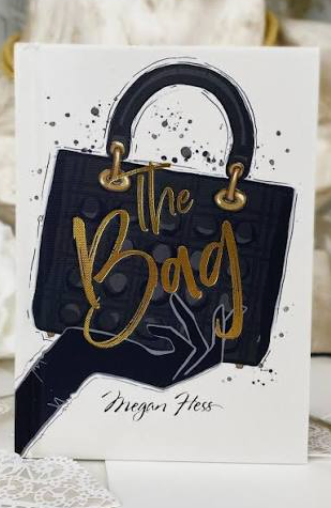
Luxury handbags also occupy an interesting place between craftsmanship and cultural recognition. Some are associated with a particular designer, while others become known through the celebrities and public figures who carry them. Their appeal can involve the quality of construction, the story behind a design or the way a particular silhouette has entered fashion vocabulary.
This makes the book particularly relevant to readers who appreciate accessories as more than finishing touches. A handbag can be functional while also expressing an individual’s taste and relationship with fashion.
For more inspiration, explore Best Designer Handbags That Never Go Out of Style.
Why read it: For handbag enthusiasts who enjoy learning about the designs, details and stories behind some of fashion’s best-known accessories.
Fashion is part of the daily air and it changes all the time, with all the events. You can even see the approaching of a revolution in clothes.
For readers fascinated by the stories behind iconic handbags, The Designer Edit: Louis Vuitton — From Travel Trunks to Global Luxury explores how a heritage rooted in travel craftsmanship evolved into some of fashion’s most recognisable bags and signature designs.
7. The Shoe
Footwear offers a different kind of design challenge from clothing. Shoes must accommodate the foot, support movement and withstand use, yet they can also become expressive objects in their own right.
In The Shoe, Megan Hess explores the world of footwear through fashion illustration. The subject opens the door to an extraordinary variety of shapes, from architectural heels and delicate sandals to boots and classic flats.
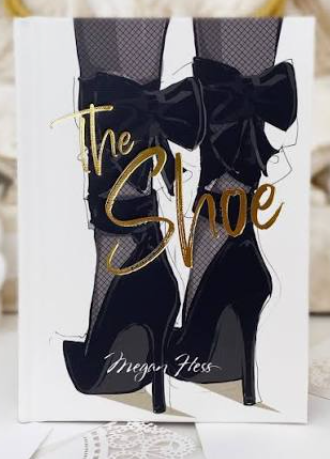
The design of a shoe depends on details that can dramatically alter its character. A pointed toe creates a different impression from a rounded one; a slim heel changes the proportions of a silhouette; and the choice of material can make the same basic shape feel formal, relaxed or theatrical.
Footwear also reflects developments in technology and changing lifestyles. The evolution of trainers, for example, demonstrates how designs once associated primarily with sport have become part of everyday fashion.
Why read it: A strong choice for readers who enjoy accessories, product design and the relationship between function and visual expression.
8. Iconic: The Masters of Italian Fashion
Italian fashion is known for its craftsmanship, distinctive silhouettes and ability to balance tradition with modern design. Its most influential designers have shaped a visual identity that is recognised around the world.
Iconic: The Masters of Italian Fashion explores this legacy through Megan Hess’s signature illustrations, celebrating the designers who have helped define Italian luxury. The book offers a visual introduction to the creativity and distinctive aesthetics associated with the country’s fashion heritage.
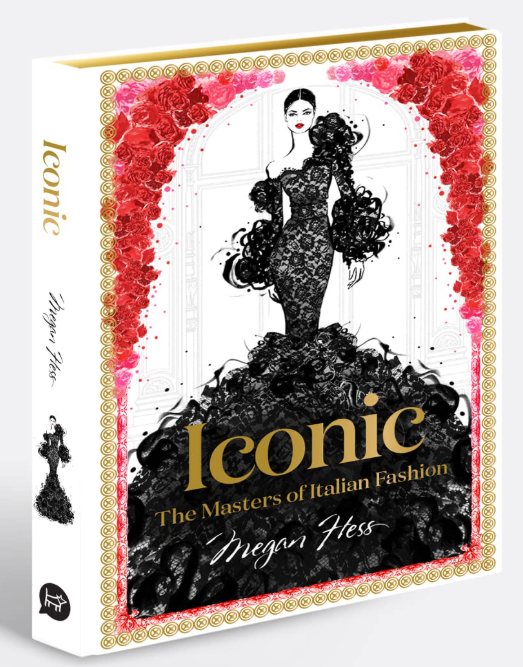
Italian fashion encompasses a variety of design philosophies, from understated sophistication to bold glamour. Together, these approaches demonstrate how individual designers can develop recognisable signatures while contributing to a wider national fashion identity.
Beyond the clothing itself, the book invites readers to appreciate the details that make fashion memorable, including silhouette, proportion and the relationship between a designer’s vision and the finished look.
Why read it: For readers interested in Italian luxury, influential fashion designers and the craftsmanship and creative vision behind some of the industry’s most recognisable aesthetics.
EDITOR’S NOTE
Fashion illustration has a way of preserving what photographs cannot: the mood, movement and imagination behind a look. Megan Hess’s work invites us to see fashion not simply as clothing, but as an art form in its own right.
9. Elegance: The Beauty of French Fashion
French fashion has long been associated with couture, refined tailoring and an appreciation for carefully considered details. From the ateliers of Paris to internationally recognised fashion houses, its influence continues to shape the way elegance is understood.
Elegance: The Beauty of French Fashion celebrates ten French fashion designers through Megan Hess’s distinctive illustrations. Featuring names such as Coco Chanel, Christian Dior and Yves Saint Laurent, the book explores the creative legacies that have helped establish France as a central force in fashion.

Each designer brings a different perspective to French style, whether through innovative silhouettes, couture craftsmanship or a new approach to dressing. Their contributions demonstrate how individual creative visions can influence generations of designers and become part of fashion history.
French fashion also shows how a consistent design philosophy can evolve without losing its identity. The balance between heritage and reinvention remains one of the reasons these designers continue to inspire contemporary style.
Why read it: For readers who love French couture, iconic fashion houses and the stories behind the designers who have shaped the enduring appeal of Parisian style.
10. Fashion in Colour: A Journey Through Every Hue
Colour can become a signature as powerful as a logo. Certain shades are so closely associated with a designer or brand that they evoke an entire visual identity at a glance.
Fashion in Colour: A Journey Through Every Hue explores the relationship between colour and fashion through Megan Hess’s vibrant illustrations. The book celebrates the shades that have become part of luxury’s visual vocabulary and the expressive role colour plays in fashion.

Some colours communicate drama and confidence, while others suggest softness, restraint or timeless sophistication. The way a shade is used can influence the mood of a design, making colour an essential part of how a collection or fashion house is recognised.
Colour also has a practical role in personal style. It can draw attention to a particular feature, create contrast or establish harmony between different pieces. Understanding how shades work together can help make wardrobe choices more intentional.
For practical inspiration, read our guide to How to Mix Colours in an Outfit: An Elegant Guide to Colour Combinations.
Why read it: For readers interested in colour theory, fashion branding and the visual decisions that help define luxury, as well as anyone looking for fresh inspiration for their personal style.
How to Style Megan Hess Books at Home
Illustrated fashion books can become part of a room’s personality rather than simply occupying space on a shelf.
On a coffee table, one or two books with striking covers can introduce a focal point without making the arrangement feel crowded. Pair them with a small vase, a ceramic object or a sculptural accessory, leaving enough space for the books to be opened and enjoyed.
On bookshelves, mix upright volumes with horizontal stacks to introduce variety. Grouping titles by subject, such as designer biographies, travel and accessories, can create a subtle sense of organisation without requiring a strictly coordinated colour scheme.
A dressing table or console can also provide a suitable setting, particularly for books related to fashion and beauty. The key is to choose a location where the books feel connected to the way you use and enjoy the space.
Beautifully illustrated fashion books can also become part of a thoughtfully curated reading space. Discover how to create a cozy reading corner at home and create a welcoming corner where you can enjoy your favourite books in style.
The Perfect Gift for a Fashion Lover
A beautifully illustrated book can be a thoughtful gift because it combines visual appeal with a subject chosen specifically for the recipient.
For someone fascinated by fashion history, Elegance: The Beauty of French Fashion offers a look at the designers who shaped French couture, while Iconic: The Masters of Italian Fashion celebrates the creative vision behind Italian luxury. An accessories enthusiast may prefer The Bag or The Shoe, both of which explore the artistry of fashion beyond clothing.
For someone who loves experimenting with personal style, Fashion in Colour: A Journey Through Every Hue offers inspiration through the expressive relationship between colour and fashion. Meanwhile, The Little Black Dress is a fitting choice for a reader who appreciates the enduring appeal of a wardrobe classic.
The most personal choice is one that reflects the recipient’s interests rather than simply selecting the most recognisable title. A carefully chosen book can become something to revisit, display and enjoy long after the occasion has passed. For more inspiration, discover The Art of Giving a Thoughtful Gift: Elegant Ideas for Every Occasion.
Final Thoughts: Collecting Fashion, One Page at a Time
Megan Hess‘s illustrated books offer different ways to explore fashion, from the lives of influential designers to the accessories, spaces and destinations associated with the industry.
Some titles invite readers into the history of couture, while others focus on the details that shape how we experience style. Together, they provide a varied introduction to fashion illustration and the subjects that continue to inspire it.
Whether you are choosing your next coffee-table book, looking for a gift or simply curious about the stories behind fashion’s most recognizable names, this collection offers plenty of inspiration to explore.