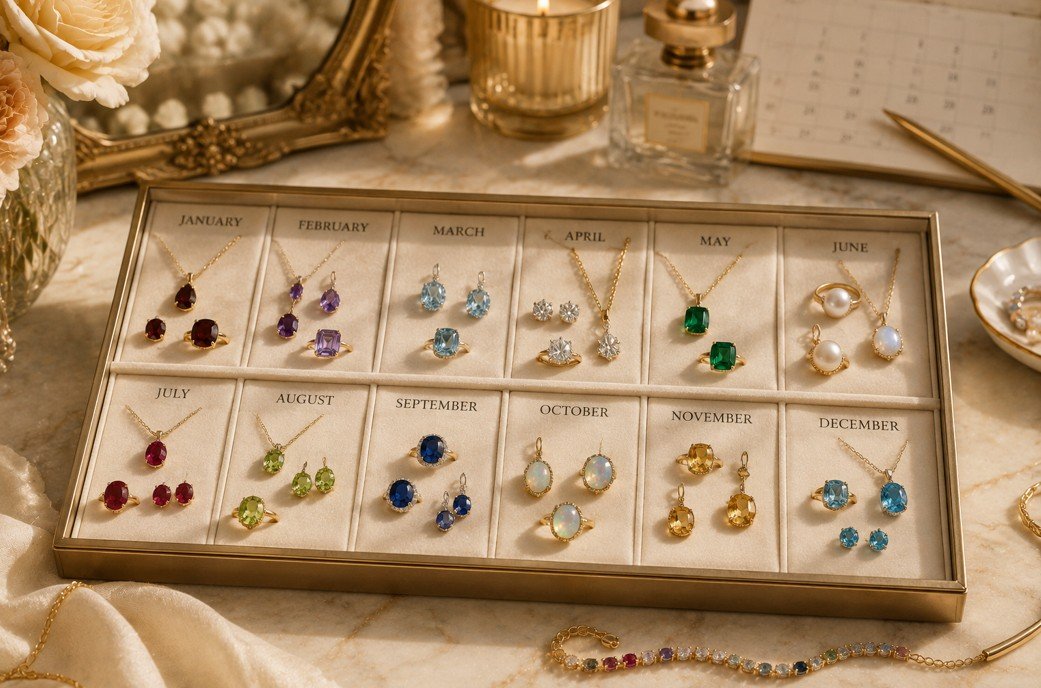
Birthstones are more than beautiful gems associated with a month of the year. For centuries, gemstones have been surrounded by stories, traditions and symbolism, with different stones connected to ideas such as love, protection, courage, wisdom, prosperity and renewal.
But what are the traditional birthstone meanings, and why do some months have more than one gemstone?
From January’s rich red garnet to December’s collection of blue-toned stones, here’s a closer look at the stories and symbolism behind the world’s most fascinating birthstones.
A birthstone is more than a beautiful gemstone. It is a little piece of symbolism you can carry with you.
If you enjoy incorporating meaningful rituals into your life, The Full Moon Reset offers another beautiful way to create a moment of reflection and renewal.
From gemstones and their symbolism to words that capture emotions in remarkably specific ways, different cultures have fascinating ways of giving meaning to the world around us. Explore Beautiful Words From Around the World That English Can’t Quite Translate.
Why Do We Have Birthstones?
The tradition of associating gemstones with particular months has developed over centuries and draws on several historical traditions.
One commonly referenced connection is the twelve stones described on the breastplate of the High Priest in the Book of Exodus. Over time, gemstones became associated with different months, religious traditions, zodiac systems and later jewellery customs.
There is no single universal birthstone system used everywhere today. Modern gemological organizations recognize additional stones for some months, reflecting the way the tradition has evolved. For this guide, however, we’re focusing on one classic stone for each month to keep things simple.
The meanings themselves should also be understood as traditional lore and symbolism rather than scientific claims. GIA notes that birthstones carry myths, legends and attributes associated with their histories.
And that’s exactly what makes them fascinating.
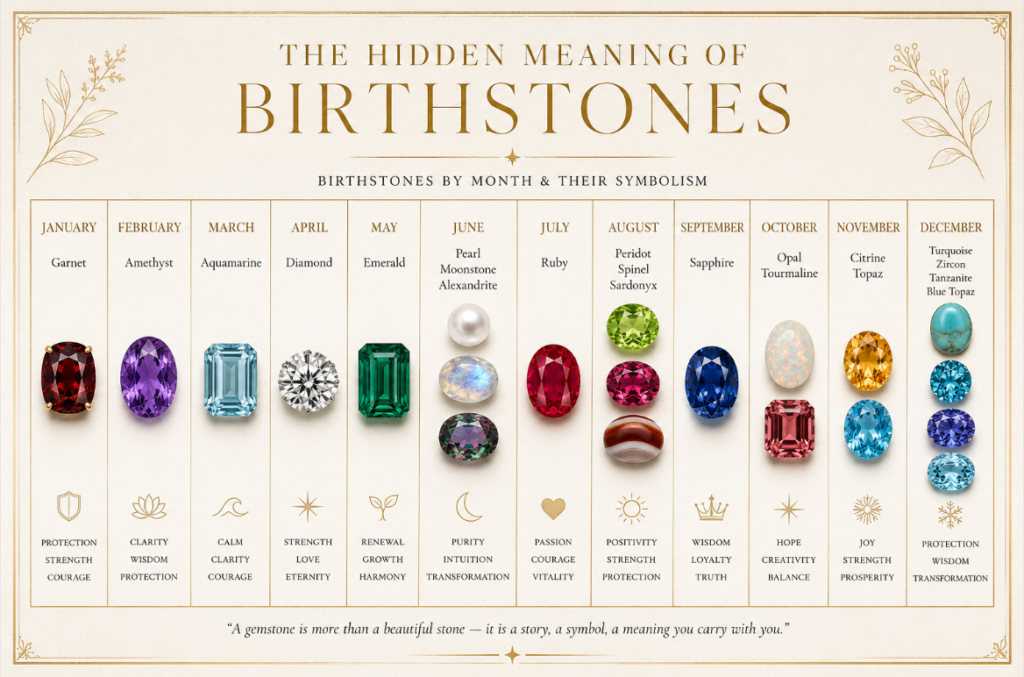
If you enjoy discovering the symbolism behind objects and traditions, you may also like Good Luck Symbols Around the World and the Stories Behind Them, which explores the stories and meanings attached to familiar symbols from different cultures.
January — Garnet
January’s birthstone is garnet, a gemstone famous for its rich red varieties but actually found in an impressive range of colours.
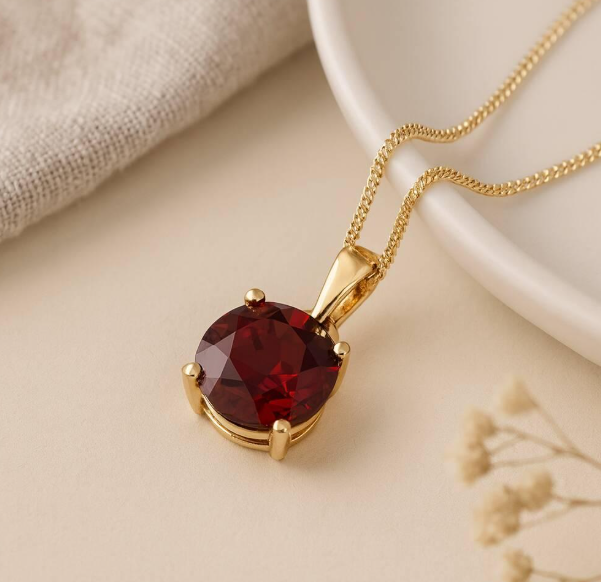
The name garnet comes from the medieval Latin granatus, meaning pomegranate, inspired by the resemblance between red garnet and pomegranate seeds. Garnets have been used as gemstones for thousands of years, including in ancient Egyptian jewellery and Roman signet rings.
Traditional lore has associated garnet with protection, strength, health, wealth and happiness.
The Fancy Meaning
Garnet can be interpreted as a gemstone of inner strength and confidence.
Its deep colour gives it a naturally dramatic quality, making a garnet ring or pendant feel particularly elegant when paired with simple gold jewellery.
February — Amethyst
February brings amethyst, the beautiful purple variety of quartz.
Its name comes from the ancient Greek amethystos, meaning something like “not drunk,” reflecting the ancient belief that the stone could protect its wearer from intoxication. Amethyst was once considered as precious as ruby and emerald until large deposits were discovered in Brazil during the nineteenth century.
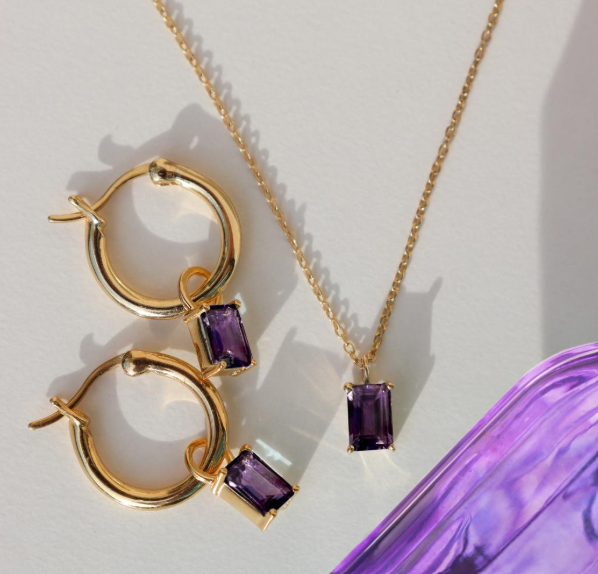
Traditional amethyst lore has connected the gemstone with clarity, strength, intelligence and protection.
The Fancy Meaning
Amethyst feels like the birthstone of calm confidence and clear thinking.
Its lilac-to-deep-purple colour also gives it an unmistakably luxurious quality, whether worn as a delicate pendant or a dramatic cocktail ring.
March — Aquamarine
March’s classic birthstone is aquamarine, a blue to slightly greenish-blue variety of beryl.
Its name comes from Latin words associated with seawater, which is fitting for its cool, translucent colour. Historically, aquamarine was believed to calm waves and protect sailors at sea, while other traditions associated it with happiness in marriage.
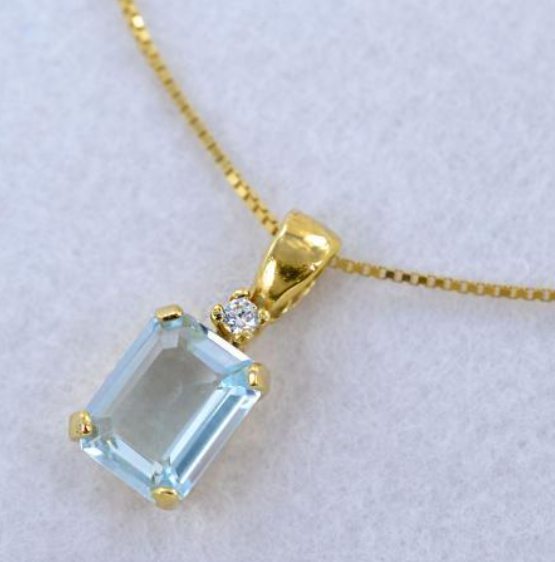
The Fancy Meaning
Aquamarine represents calm, clarity and peaceful confidence.
It has a naturally light and sophisticated appearance, making it particularly beautiful in minimalist jewellery.
STYLE TIP
Birthstone jewellery doesn’t have to look traditional. Wear a delicate aquamarine pendant with simple gold chains, or pair a garnet ring with understated jewellery for a more contemporary look. The gemstone can be the personal detail without becoming the entire outfit.
April — Diamond
April has perhaps the most famous birthstone of all: diamond.
Diamonds have long been associated with endurance, strength, love and permanence.
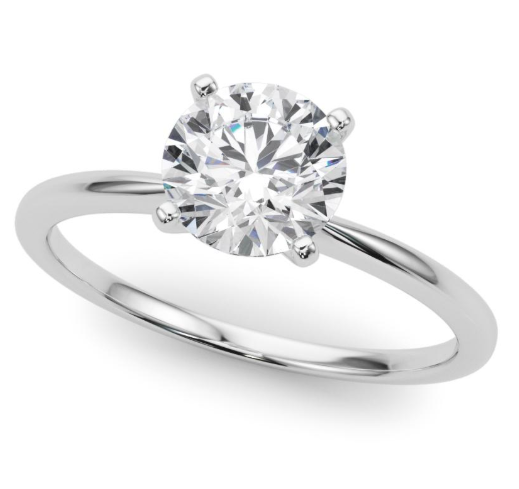
Their exceptional hardness naturally contributed to the symbolism of resilience. Diamonds also became deeply connected with romantic commitment, particularly through the modern tradition of the diamond engagement ring.
But the stone’s symbolism goes beyond romance. GIA notes that diamond lore has historically connected it with strength, longevity, beauty and happiness.
The Fancy Meaning
Diamond represents strength with brilliance.
It is an especially fitting symbol for someone who values timelessness — something that remains beautiful even as trends change.
May — Emerald
May’s birthstone is the emerald, instantly recognizable for its intense green colour.
Emerald has been treasured for thousands of years, including by Egyptian pharaohs and Inca rulers. Its green colour naturally connects it with spring, nature and renewal.
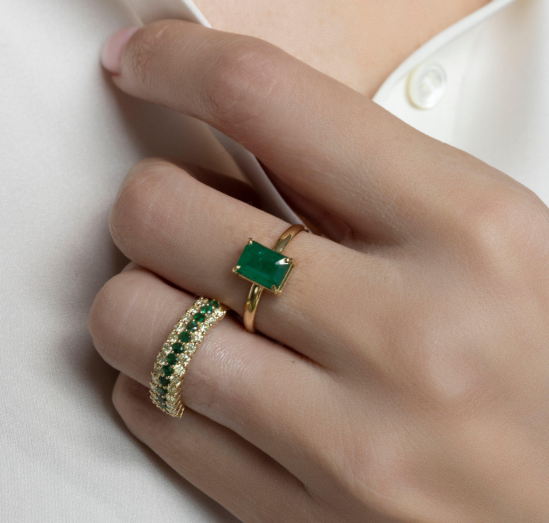
Traditional emerald lore has associated the stone with joy, renewal, growth and healing.
The Fancy Meaning
Emerald can represent renewal and growth — making it a particularly beautiful symbolic choice for someone entering a new chapter of life.
Its saturated green colour also makes it one of the most striking gemstones for statement jewellery.
June — Pearl, Alexandrite & Moonstone
June is one of the most interesting birth months for jewellery lovers because it has three recognized birthstones: pearl, alexandrite and moonstone. Each has a completely different appearance and personality, giving June-born women plenty of choice.
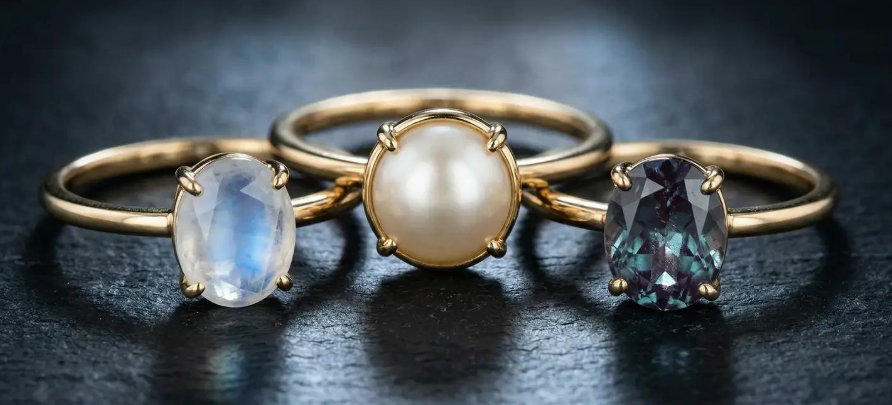
Pearl — Purity & Timeless Elegance
Pearls have traditionally been associated with purity, humility and innocence. Unlike most gemstones, they are organic gems formed inside mollusks, giving them a particularly distinctive place in the world of jewellery.
Their soft lustre has made pearls a symbol of understated sophistication for generations, whether worn as a classic strand, delicate earrings or a modern pendant.
Alexandrite — Transformation & Mystery
Alexandrite is one of the most fascinating gemstones because of its remarkable colour-changing effect. Depending on the lighting, it can appear green to bluish-green in daylight and red to purplish-red under incandescent light.
The stone was first discovered in Russia’s Ural Mountains in the nineteenth century and was named after the future Russian Tsar Alexander II.
Its unusual ability to appear different depending on the light makes it a beautiful symbol of transformation, individuality and adaptability.
Moonstone — Love & Intuition
Moonstone has a soft, almost ethereal appearance created by a phenomenon known as adularescence, which gives the stone a glowing effect beneath its surface.
Throughout history, moonstone has been associated with the moon and lunar deities. Traditional lore has connected it with love, passion, fertility and good fortune.
The Fancy Meaning
June gives you three very different ways to express your personality:
Pearl represents timeless elegance and quiet sophistication.
Alexandrite represents transformation and individuality.
Moonstone brings a softer, more mysterious and romantic feeling.
So whether you prefer the classic beauty of pearls, the colour-changing magic of alexandrite or the dreamy glow of moonstone, June is a month with a birthstone for every kind of jewellery lover.
July — Ruby
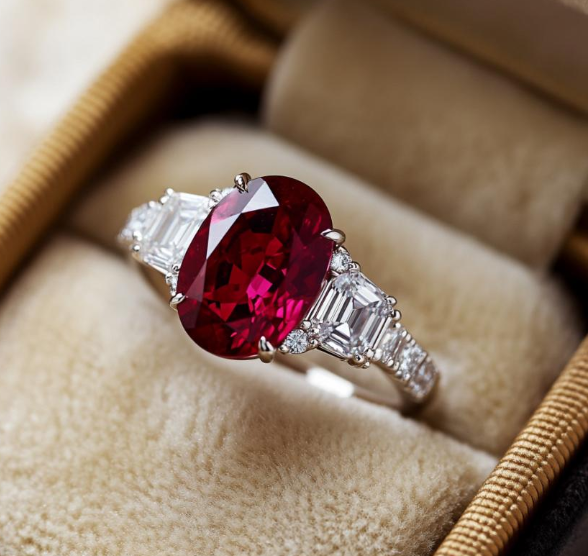
July’s birthstone is ruby, one of the world’s most celebrated coloured gemstones.
Its intense red colour has naturally inspired associations with passion, love, courage and success. GIA notes that ruby has historically been connected with strength and courage, including beliefs that it could protect warriors in battle.
The Fancy Meaning
Ruby feels like the gemstone of confidence and passion.
It is bold without needing much decoration — a quality that makes even a small ruby accent feel special.
August — Peridot, Spinel & Sardonyx
August is one of the most interesting birth months for gemstone lovers because it has three recognized birthstones: peridot, spinel and sardonyx.
They couldn’t be more different in appearance.
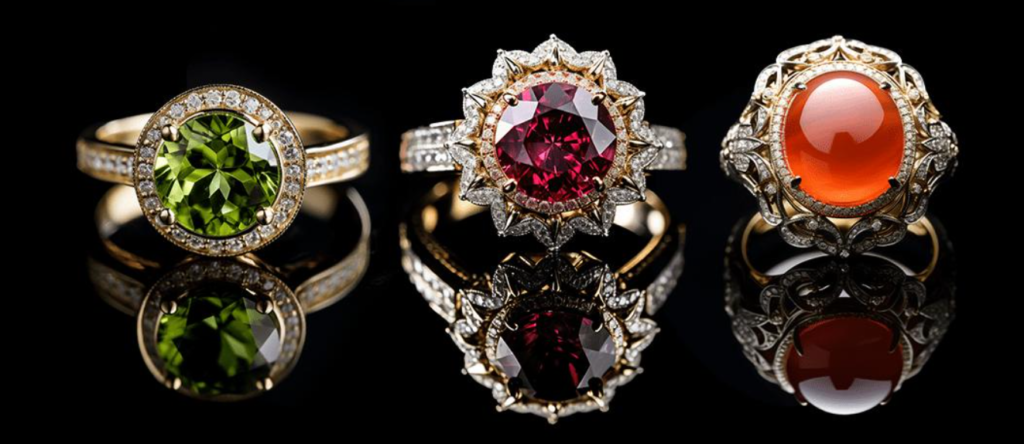
Peridot is known for its fresh olive-green colour and has a long history as a gemstone. Spinel comes in a remarkable range of colours, including vivid reds, pinks and blues. Sardonyx, meanwhile, is recognizable for its layered bands of reddish-brown and white.
Traditionally, each carries its own symbolism.
Peridot — Renewal & Positivity
Peridot is often associated with positivity, renewal and protection. Its fresh green colour makes it particularly easy to connect with ideas of nature and new beginnings.
Spinel — Strength & Vitality
Spinel has historically been associated with energy, vitality and strength. Its extraordinary range of colours also makes it particularly appealing to anyone who prefers unusual jewellery.
Sardonyx — Courage & Protection
Sardonyx has traditionally been linked with courage, strength and protection, giving it a more grounded character than the other August stones.
The Fancy Meaning
August gives you three completely different ways to express yourself:
Peridot for the optimistic one.
Spinel for the individualist.
Sardonyx for the strong and grounded one.
It’s proof that your birth month doesn’t necessarily have to be represented by one particular colour or aesthetic.
If you enjoy exploring the symbolism connected to your birth date, you can also discover The Fancylicious Zodiac Edit: Leo Season for a more astrological take on personality and style.
September — Sapphire
September returns to a single birthstone: sapphire.
Although most people immediately picture a deep blue sapphire, the gemstone actually occurs in many colours. Blue remains its most iconic variety, however, and has long been associated with loyalty, wisdom and sincerity.
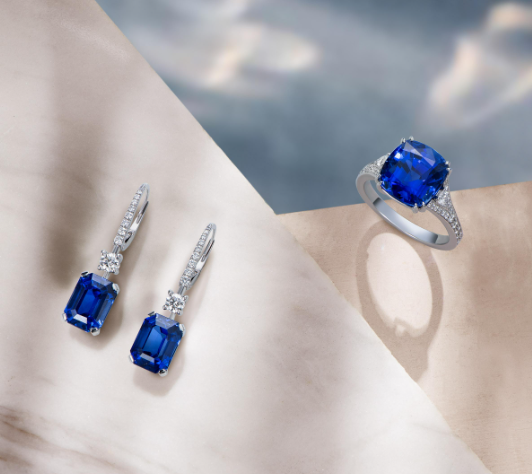
Sapphires have also enjoyed a strong connection with royalty, which has helped cement their reputation as one of the world’s most elegant gemstones.
The Fancy Meaning
Sapphire represents quiet confidence and loyalty.
It is the kind of gemstone that doesn’t need to be flashy to feel luxurious. A simple sapphire ring or pendant can look just as sophisticated decades from now as it does today.
If you’re curious about how September’s birthstones connect with the energy of the season, discover The Fancylicious Zodiac Edit: Virgo Season, where we explore Virgo’s refined approach to fashion, beauty, lifestyle and modern elegance.
EDITOR’S NOTE
If your month has more than one birthstone, don’t feel as though you have to choose just one. Think about colour, symbolism and personal style. A gemstone can be meaningful because of the month it represents, but it can also be meaningful simply because you love it.
October — Opal & Tourmaline
October has two birthstones: opal and tourmaline. GIA confirms both as October birthstones, with opal described as the traditional stone and tourmaline as the newer addition.
Opal — Hope & Imagination
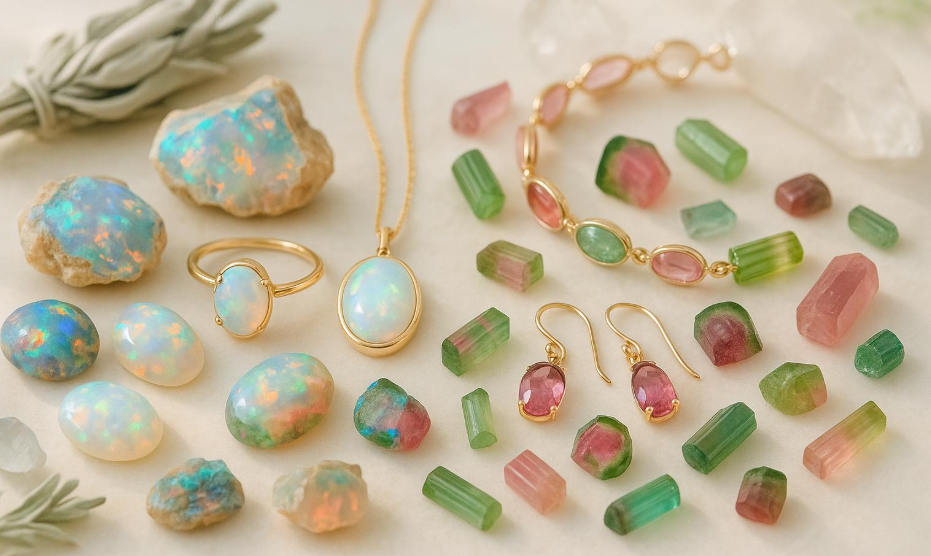
Opal is famous for its extraordinary play-of-colour, producing flashes of different hues as the stone moves in the light.
Historically, opal has been associated with hope, purity and truth, while its shifting colours have naturally inspired associations with imagination and mystery.
Tourmaline — Strength & Creativity
Tourmaline is one of the most colourful gemstones, occurring in shades ranging from pink and green to blue, red and almost black.
Its incredible colour variety has contributed to associations with creativity, individuality and strength. GIA notes that different colours of tourmaline have developed their own traditional associations as well.
The Fancy Meaning
October is perfect for someone who doesn’t want predictable jewellery.
Opal feels artistic and mysterious.
Tourmaline feels colourful and individual.
Together, they represent self-expression and imagination.
October brings us into Libra Season with its own distinctive approach to style and self-expression; discover The Fancylicious Zodiac Edit: Libra Season for a fashion, beauty and lifestyle interpretation of this elegant air sign.
November — Citrine & Topaz
November also has two recognized birthstones: citrine and topaz.
They share warm, golden associations but have very different personalities.
Citrine — Joy & Abundance
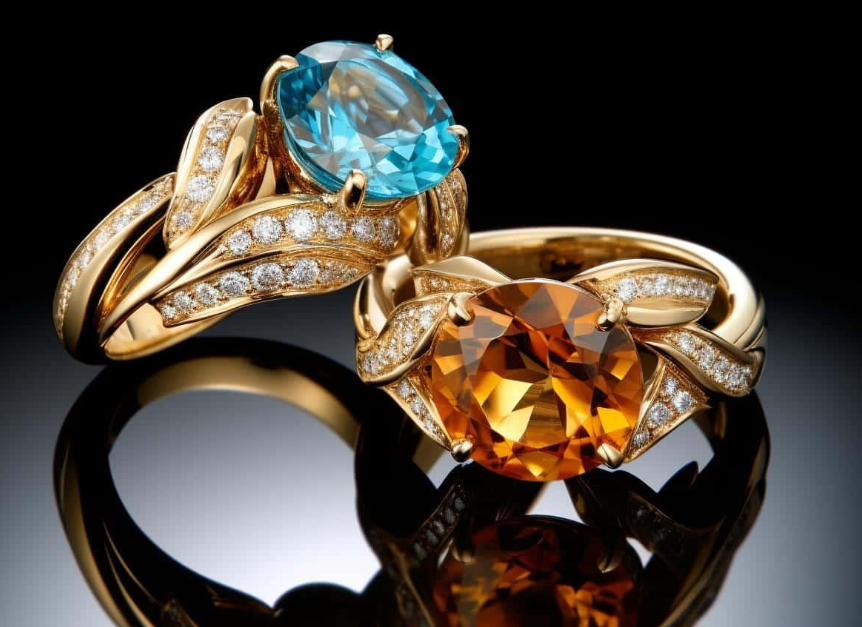
Citrine is the golden-yellow variety of quartz and is traditionally associated with warmth, optimism and abundance.
Its sunny colour makes it one of those gemstones that immediately feels cheerful.
Topaz — Strength & Prosperity
Topaz comes in an impressive range of colours, including blue, yellow, pink, orange and colourless varieties.
Traditional lore has associated topaz with strength, prosperity and good fortune. GIA notes that ancient Greeks believed topaz gave strength, while other traditions connected it with long life and intelligence.
The Fancy Meaning
November’s gemstones have a naturally optimistic personality.
Citrine is warm and joyful.
Topaz is confident and versatile.
If you love golden jewellery, either one can make a beautiful statement.
December — Tanzanite, Zircon, Turquoise & Blue Topaz
December has the most expansive selection in the modern Brilliant Earth list, with four birthstone options: tanzanite, zircon, turquoise and blue topaz.
This gives December-born jewellery lovers an unusually broad range of blue shades and personalities.
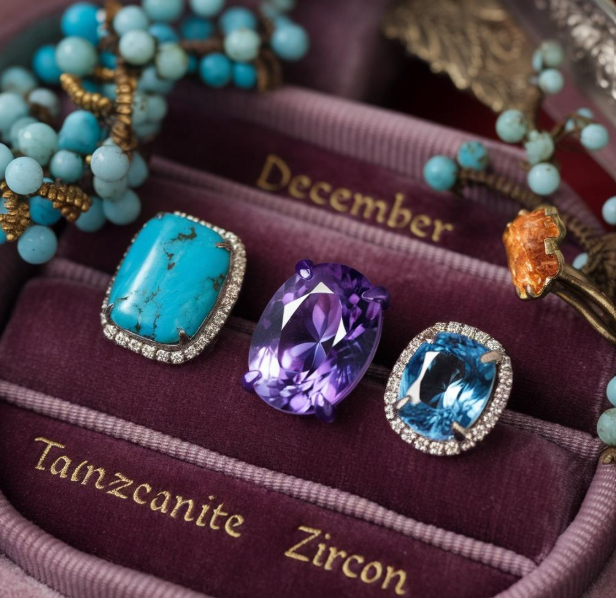
Tanzanite — Transformation
Tanzanite is famous for its velvety blue-to-violet colour and is found in only one known geographic region in Tanzania.
Its relatively recent discovery makes it feel especially modern compared with some of the ancient gemstones on this list.
It is traditionally associated with transformation, balance and new beginnings.
Zircon — Brilliance
Zircon comes in a variety of colours, although blue zircon is particularly popular.
Its exceptional brilliance can sometimes make colourless zircon resemble diamond, giving it an appealing combination of sparkle and individuality.
Traditional lore has connected zircon with wisdom, prosperity and protection. GIA also records historical beliefs surrounding its protective qualities.
Turquoise — Protection & Peace
Turquoise has been treasured for thousands of years and has a particularly rich cultural history.
Its traditional associations include protection, good fortune and peace. GIA notes that turquoise has been prized from ancient Egypt to more recent royal jewellery traditions.
Blue Topaz — Calm Elegance
Blue topaz offers a lighter, cooler interpretation of December’s colour palette.
Its icy blue appearance makes it particularly appealing to anyone who prefers understated, contemporary jewellery.
The Fancy Meaning
December may be the ultimate month for choice.
Tanzanite is mysterious.
Zircon is brilliant.
Turquoise is historic and distinctive.
Blue topaz is fresh and elegant.
There really is a December birthstone for almost every jewellery personality.
DID YOU KNOW?
Having multiple birthstones isn’t simply a modern attempt to create more jewellery options. Birthstone traditions have evolved over time, and modern lists have been influenced by historical associations, gemstone availability, popularity and the desire to give people more choices.
Which Birthstone Matches Your Personality?
Your birthstone is traditionally determined by your birth month, but you don’t have to wear it simply because a chart tells you to.
You can also choose a gemstone because its symbolism feels like you.
The Romantic — Ruby
Passionate, dramatic and unmistakably beautiful, ruby is a natural choice for someone who loves jewellery with presence.
The Classic — Sapphire
If your wardrobe is built around timeless pieces and you prefer elegance over trends, sapphire may be your symbolic match.
The Dreamer — Opal
Opal’s changing colours make it perfect for someone drawn to creativity, imagination and a little mystery.
The Optimist — Citrine
Warm and sunny, citrine suits someone who naturally gravitates towards positive energy and joyful colour.
The Independent One — Spinel
Spinel’s range of colours and less predictable status make it appealing to someone who prefers discovering something different.
The Grounded One — Emerald
Rich green emerald has a natural connection with growth, renewal and nature.
The Adventurer — Turquoise
With its long history and distinctive blue-green colour, turquoise feels perfect for someone who loves travel, stories and pieces with character.
The Elegant Minimalist — Diamond
For someone who believes the simplest choice can often be the most beautiful, diamond remains difficult to surpass.
How to Choose Your Birthstone Jewellery
Once you know the stone associated with your month, the next question is how to wear it.
You don’t necessarily need a large statement gemstone.
A small birthstone pendant can become an everyday signature. A delicate ring can be layered with other pieces. Earrings can add a subtle flash of colour without changing your entire look.
When choosing a piece, consider three things:
Colour: Would you actually wear this shade?
Symbolism: Does the traditional meaning resonate with you?
Style: Does the jewellery suit the way you normally dress?
If the answer to all three is yes, you’ve probably found the right piece.
And if your month has several birthstones, that simply gives you more freedom.
You might prefer the colour of one and the symbolism of another. There is no reason your jewellery collection can’t include both.
This idea of discovering the stories hidden inside beautiful objects also connects naturally with The Meaning Behind Luxury Brand Logos: The Stories You Never Knew.
Birthstones as Personal Symbols
Perhaps the most fascinating thing about birthstones isn’t whether their traditional meanings are literally true.
It’s the fact that people have always used beautiful objects to represent ideas that matter to them.
A ruby can remind you of courage.
An emerald can symbolize a new beginning.
A pearl can represent timeless elegance.
A sapphire can become a personal reminder of loyalty.
The symbolism becomes personal.
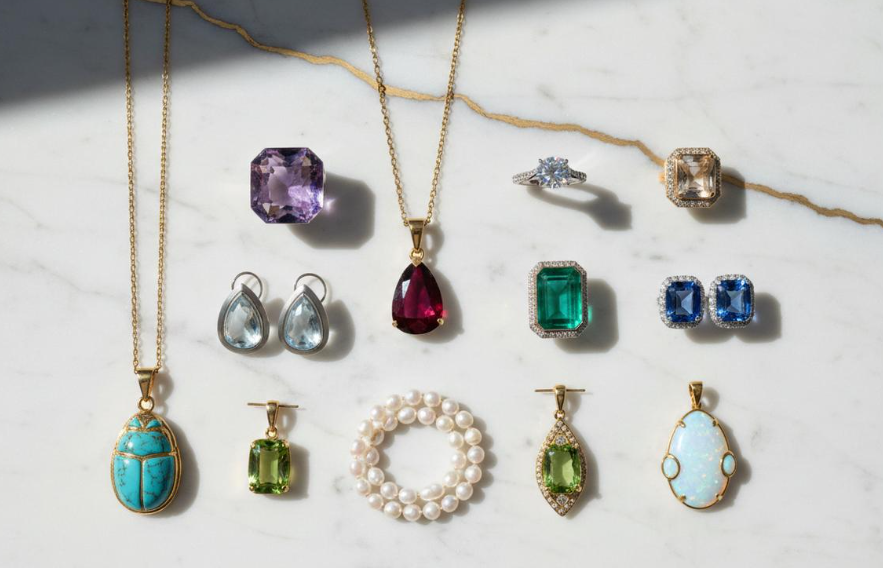
That is why birthstone jewellery continues to feel meaningful even as jewellery trends change.
A birthstone can mark a birthday, celebrate a milestone, commemorate someone you love or simply represent something you want to carry with you.
Birthstones are just one example of the way people attach personal meaning to everyday objects. Coins can become symbolic too, particularly when they are used in rituals such as making a wish at a fountain. Discover the fascinating history behind this tradition in Why Do We Toss Coins Into Fountains? The Stories Behind Everyday Traditions.
Birthstones aren’t the only tradition connecting a person’s birth month with symbolism. Birth flowers offer another beautiful way to discover the meaning associated with the month you were born.
The symbolism of colour extends far beyond gemstones, with different cultures giving particular shades their own associations with luck, prosperity, protection and renewal. Explore lucky colours around the world to discover the traditions behind them.
Final Thoughts
From garnet and amethyst to opal, ruby and turquoise, birthstones offer a fascinating journey through gemstone history, symbolism and tradition.
Some months have a single recognized stone, while others offer several — giving you even more ways to express your personal style.
Their meanings have evolved over centuries and can vary between traditions, but that’s part of their charm.
A gemstone doesn’t have to predict your personality or determine your future to be meaningful.
Sometimes, it simply needs to tell a story.
And perhaps that’s the most beautiful thing about birthstones: you get to decide what that story means to you.