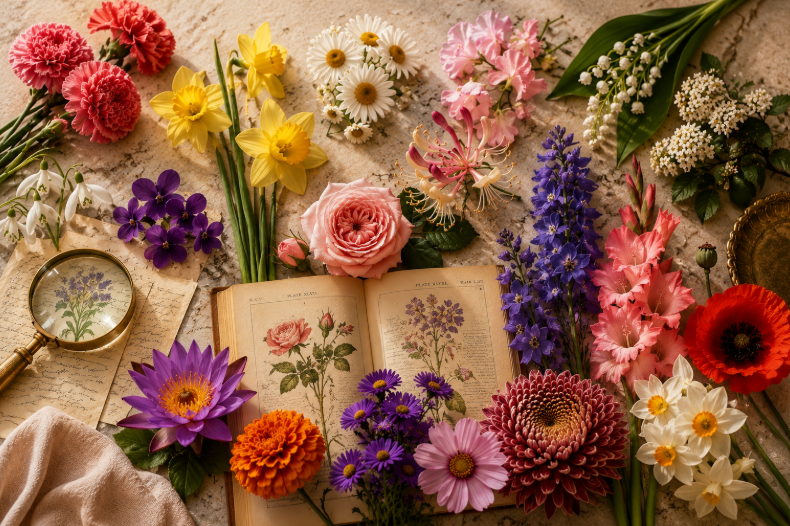
Flowers have always carried meanings beyond their beauty. A rose can express love, a daisy can suggest innocence, and a snowdrop can symbolize hope after winter. But what if the flower associated with your birth month could tell its own little story?
Birth flowers are the floral equivalent of birthstones: blooms traditionally connected with each month of the year and often associated with particular qualities, emotions or symbolic messages. Unlike birthstones, however, birth-flower lists are not completely standardized. Different traditions and sources sometimes assign different flowers to the same month.
For this guide, we’ll follow one of the most widely used modern traditions while acknowledging where variations exist.
From January’s resilient carnation to December’s elegant narcissus, each month brings its own floral symbolism.
So, what is your birth flower — and what does it secretly say about you?
Why Do We Have Birth Flowers?
The tradition of giving flowers symbolic meanings goes back centuries, but it became particularly elaborate during the Victorian era, when floriography, or the language of flowers, allowed people to communicate emotions through carefully chosen blooms.
Flowers could express sentiments that were difficult to say aloud. Their colour, variety and arrangement could all carry meaning, turning a simple bouquet into a kind of secret message.
Birth flowers developed within this broader tradition of associating particular flowers with months, seasons and celebrations. Many of the traditional pairings also make intuitive seasonal sense: snowdrops appear around winter’s end, daffodils herald spring, and chrysanthemums naturally belong to the autumn months.
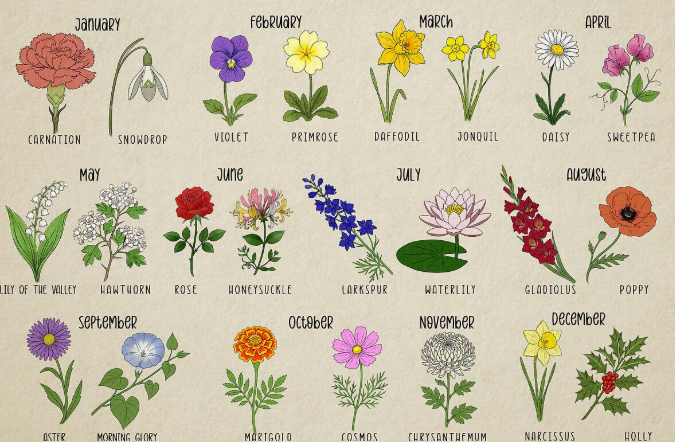
There is no single worldwide authority dictating which flower belongs to each month, however. Different countries, traditions and modern lists sometimes choose different secondary flowers. For example, February may be associated with violet and primrose in one tradition, while another list may include iris.
Much like birthstones, birth flowers give each month its own symbolic identity, connecting a birthday with a particular natural element and its traditional meaning. You can discover the story behind the other great birthday tradition in The Hidden Meaning of Birthstones: What Your Gemstone Symbolizes.
DID YOU KNOW?
Birth flowers are not as standardized as birthstones. While many modern lists agree on the primary flower for each month, secondary flowers can vary depending on cultural tradition, historical source and region.
1. January — Carnation & Snowdrop: Love, Devotion and Hope
January begins the year with two flowers that beautifully capture the contrast between winter and the promise of renewal.
Carnation
The carnation is January’s primary birth flower and is traditionally associated with love, fascination and distinction.
Its ability to bloom during colder periods has also contributed to associations with perseverance and devotion. Carnations have an interesting relationship with colour symbolism too. Red carnations are commonly associated with love, while pink carnations can express gratitude or affection.
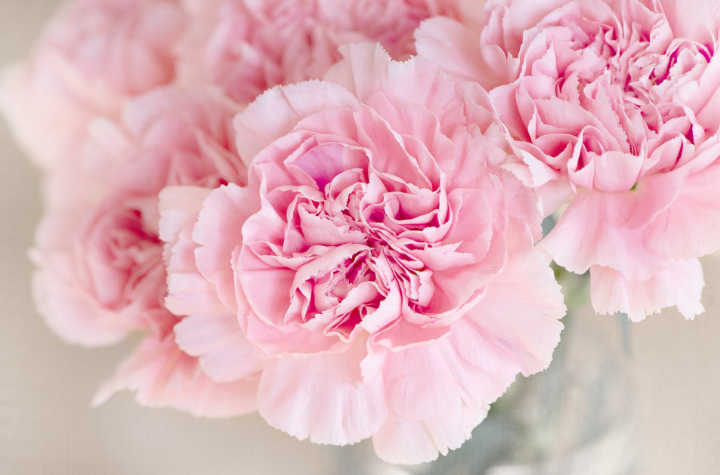
That makes the carnation a particularly versatile flower when given as a gift.
Snowdrop
The delicate snowdrop carries a very different visual character. Its small white flowers appearing at the edge of winter have made it a natural symbol of hope, innocence and renewal.
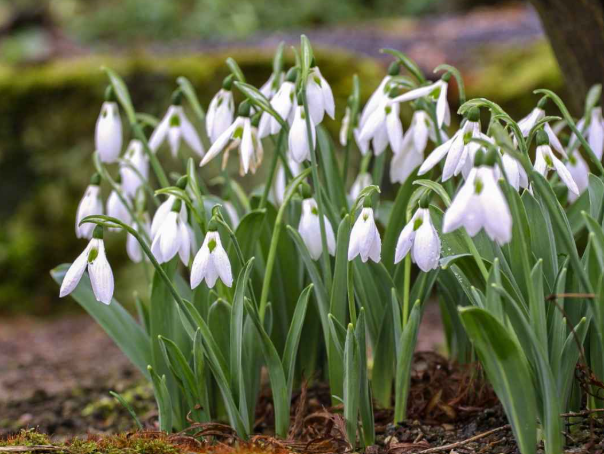
Together, January’s flowers tell a beautiful story:
Devotion that endures and hope for what is yet to come.
2. February — Violet & Primrose: Modesty, Loyalty and Young Love
February’s flowers feel softer and more romantic.
Violet
The violet is traditionally associated with modesty, loyalty and faithfulness.
Its understated appearance makes the symbolism particularly fitting. It isn’t a flower that demands attention, but its delicate beauty rewards those who notice it.
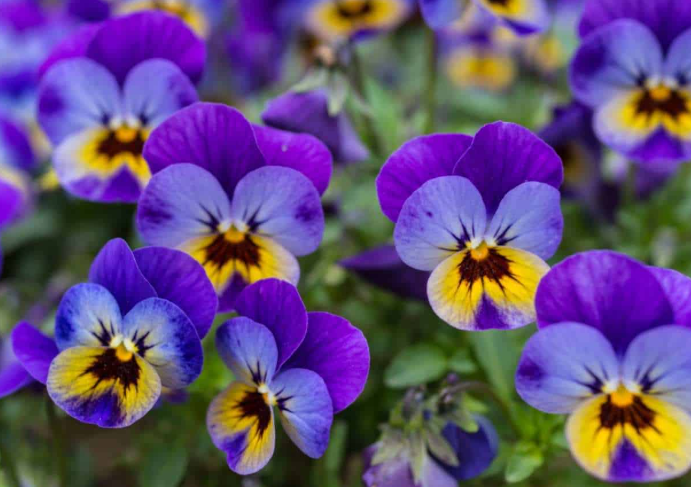
There is also something distinctly old-fashioned and romantic about violets, making them a natural fit for the month most closely associated with Valentine’s Day.
Primrose
The primrose brings another layer of symbolism, traditionally connected with youthfulness and young love.
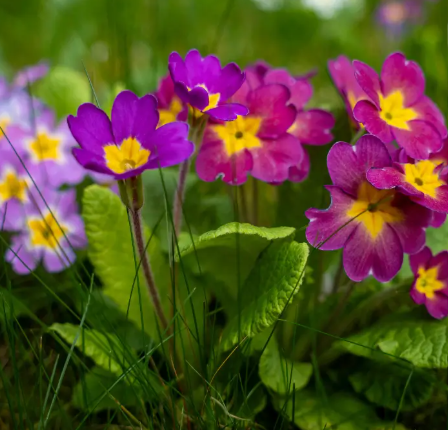
Together, violet and primrose create a birth-flower pairing that feels gentle, sentimental and quietly romantic.
STYLE TIP
If you’re choosing flowers for someone born in February, don’t feel that the bouquet needs to be traditionally romantic. A delicate arrangement inspired by violets — with soft purple, cream and green tones — can feel far more personal than an obvious Valentine’s-style bouquet.
3. March — Daffodil & Jonquil: Rebirth and New Beginnings
March brings two of the most recognizable symbols of spring: the daffodil and the jonquil.
Daffodil
Its bright yellow flowers appear as winter begins to retreat, making its association with rebirth, new beginnings and renewal particularly fitting.
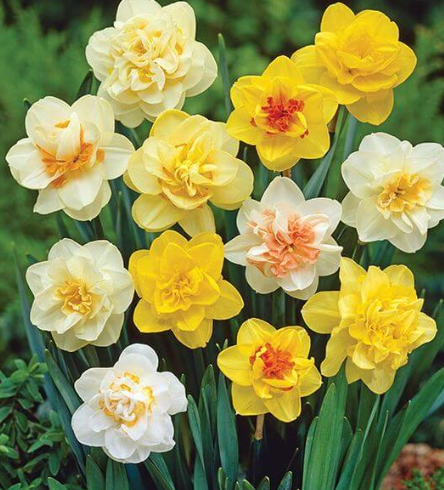
The daffodil can also carry associations with prosperity and good fortune in some traditions, adding an optimistic quality to its symbolism.
Jonquil
Its secondary flower, the jonquil, belongs to the same Narcissus family and shares the sense of springtime renewal.
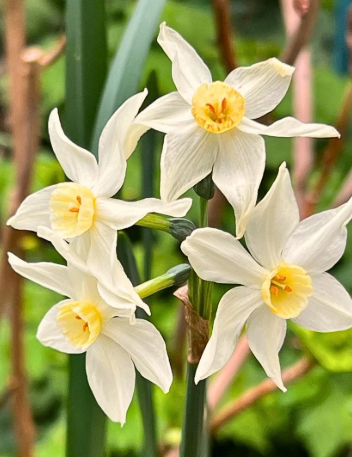
March’s birth flowers therefore have a particularly cheerful message:
A new season is beginning.
It makes the daffodil a lovely symbolic flower for someone starting a new chapter — whether that means a new home, a new career, a new relationship or simply a fresh beginning.
4. April — Daisy & Sweet Pea: Innocence, Joy and Gratitude
April’s flowers are among the most charming in the birth-flower calendar.
Daisy
The daisy is traditionally associated with innocence, purity and cheerfulness.
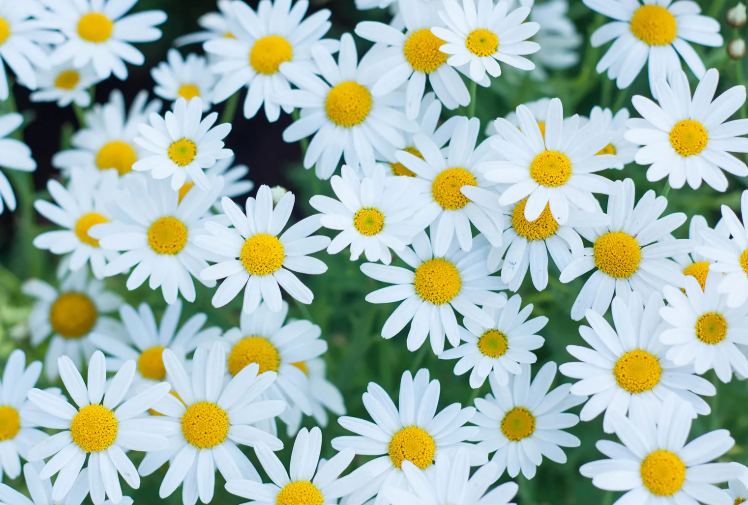
Its simple appearance is part of its appeal. Unlike more elaborate blooms, the daisy has a natural, uncomplicated beauty.
Sweet Pea
The delicate sweet pea brings a more romantic quality to April. It is traditionally associated with blissful pleasure, although it can also carry meanings connected with departure or saying goodbye in the language of flowers.
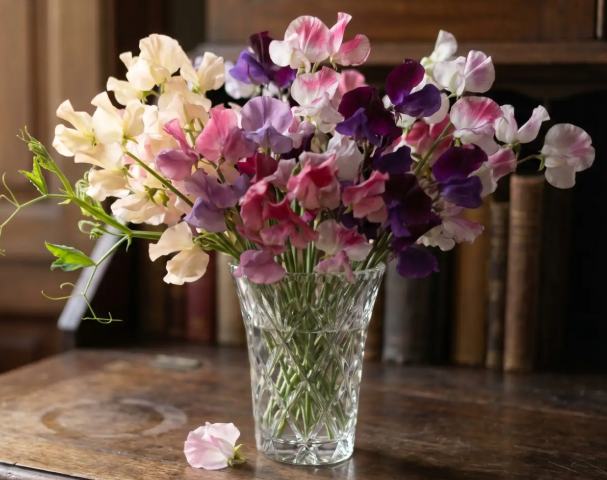
Together, the two flowers capture the lightness of April particularly well — fresh, optimistic and full of the feeling that something beautiful is beginning.
April’s birth flowers are also a reminder that symbolism doesn’t always need to be complicated.
Sometimes the simplest flower carries the most joyful message.
5. May — Lily of the Valley & Hawthorn: Happiness, Sweetness and Hope
May’s birth flowers feel perfectly suited to the arrival of spring, with delicate blooms and symbolism centered around happiness and renewal.
Lily of the Valley
The lily of the valley is May’s primary birth flower and is traditionally associated with sweetness, happiness and the return of happiness.
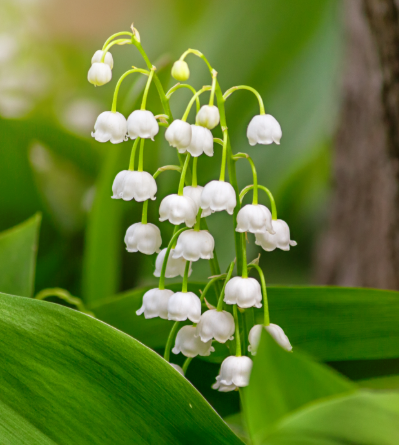
Its tiny bell-shaped flowers and delicate fragrance have made it one of the most beloved spring blooms.
There is something particularly elegant about its understated appearance. Rather than making a dramatic statement, lily of the valley creates an impression of quiet beauty.
Hawthorn
The hawthorn, May’s secondary flower in this tradition, is associated with hope and happiness.
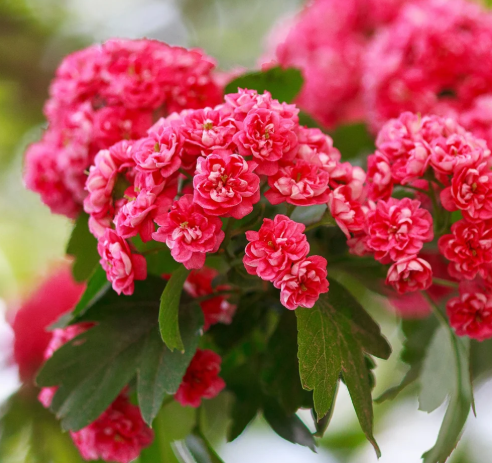
Together, May’s flowers carry an uplifting message:
Happiness can return, and there is always something beautiful ahead.
6. June — Rose & Honeysuckle: Love, Passion and Affection
June brings one of the world’s most recognizable flowers: the rose.
Rose
The rose is June’s primary birth flower and perhaps the most universally understood flower when it comes to symbolism.
It is traditionally connected with love, passion and beauty, although the meaning can change significantly depending on colour.
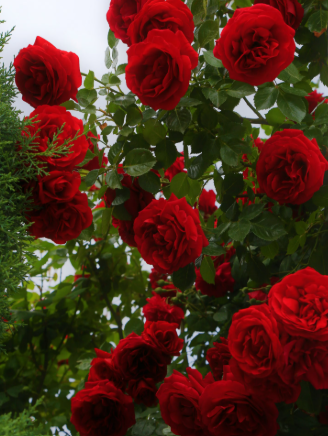
Red roses are strongly associated with romantic love, while pink roses can communicate admiration and affection, and white roses are often connected with purity.
This makes the June birth flower unusually versatile. A rose can say something intensely romantic — or something much softer and more understated.
Honeysuckle
The honeysuckle is June’s secondary flower and is traditionally associated with bonds of love and affection.
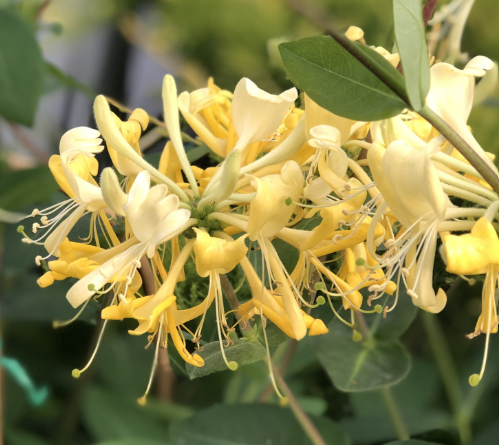
Together, June’s flowers create one of the most romantic pairings in the birth-flower calendar:
Love that is passionate, affectionate and enduring.
A rose by any other name would smell as sweet.
Few flowers have become so deeply embedded in literature, art and culture as the rose, which makes June’s birth flower particularly fitting for anyone who appreciates the romantic side of symbolism.
7. July — Larkspur & Water Lily: Positivity, Lightness and Purity
July’s flowers offer a lovely contrast between an airy summer bloom and one that floats serenely on water.
Larkspur
The larkspur is July’s primary birth flower and is associated with positivity, lightness and strong bonds.
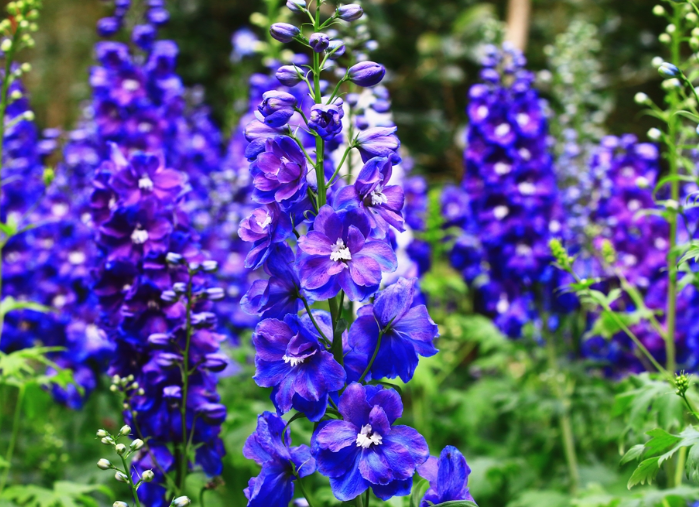
Its tall stems and delicate flowers give it an almost effortless summer quality. The symbolism suits the month beautifully: optimistic, open and full of energy.
Water Lily
The water lily, July’s secondary flower, is traditionally connected with purity, enlightenment and rebirth.
Unlike the upright larkspur, the water lily rests calmly on the surface of the water, giving July two very different visual expressions of beauty.
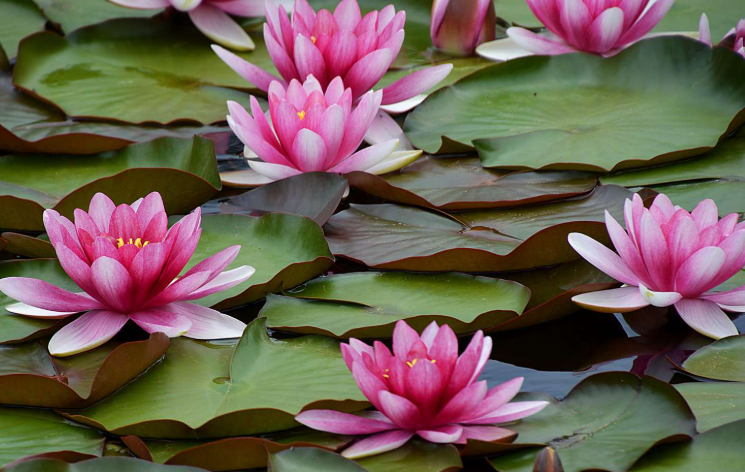
Together they suggest an open, positive spirit balanced by calm and inner clarity.
8. August — Gladiolus & Poppy: Strength, Courage and Remembrance
August’s birth flowers have some of the strongest symbolism in the entire calendar.
Gladiolus
The gladiolus is August’s primary birth flower and traditionally represents strength, integrity and strong character.
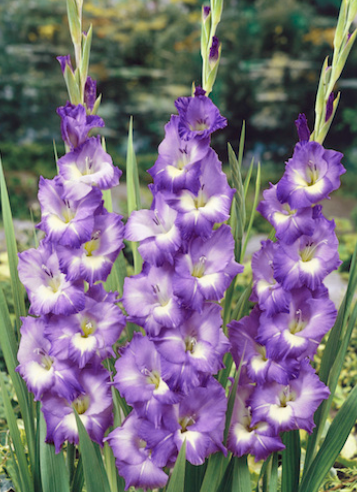
Its tall, sword-like shape has also contributed to associations with courage and victory. Its name is connected to gladius, the Latin word for sword, making the flower’s association with strength particularly fitting.
Poppy
The poppy is August’s secondary flower and carries several layers of symbolism, including remembrance, peace and dreams.
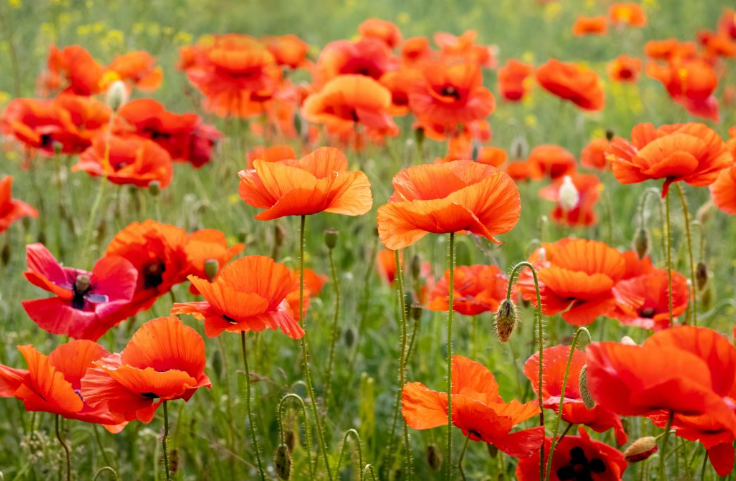
Its association with remembrance became particularly prominent because of its connection to the First World War.
The combination is fascinating:
Strength paired with remembrance.
August’s flowers therefore tell a story not simply about confidence, but about having strength while remembering what — and who — matters.
9. September — Aster & Morning Glory: Love, Wisdom and Affection
September marks the transition from summer toward autumn, and its birth flowers have a softer, more reflective quality.
Aster
The aster is September’s primary birth flower.
Its name comes from the Greek word for star, referring to the flower’s star-like appearance, and it is traditionally associated with love, wisdom and faith.
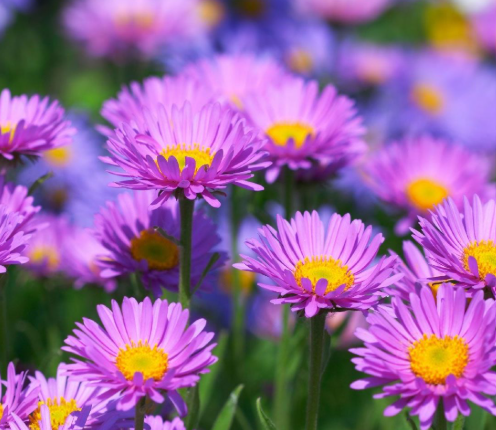
It feels particularly appropriate for September: elegant, slightly mysterious and less exuberant than many summer flowers.
Morning Glory
The morning glory is September’s secondary flower and is associated with affection and love.
Its name is wonderfully descriptive too. The flowers open in the morning and often close later in the day, giving them a fleeting quality that makes their beauty feel even more special.
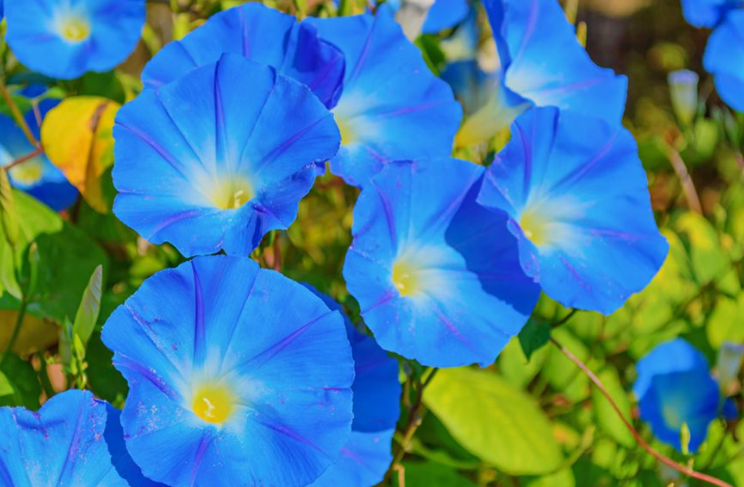
Together, September’s flowers represent love with a thoughtful, almost contemplative quality.
10. October — Marigold & Cosmos: Creativity, Passion and Joy
October’s flowers bring warmth and colour just as the season begins to turn cooler.
Marigold
The marigold is October’s primary birth flower and is associated with creativity, passion and warmth in modern birth-flower traditions.
Its rich gold and orange tones make it one of the most visually distinctive autumn flowers.
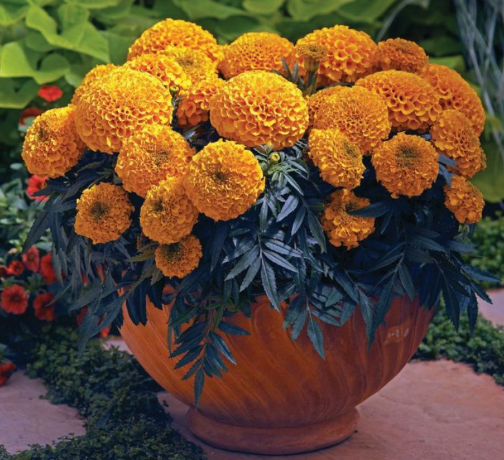
The symbolism of marigolds can vary considerably across cultures and contexts, however, which is a good reminder that flower meanings are not universal rules. The same flower can carry different associations depending on where and how it is used.
Cosmos
The cosmos is October’s secondary flower and is traditionally connected with harmony, balance and tranquility.
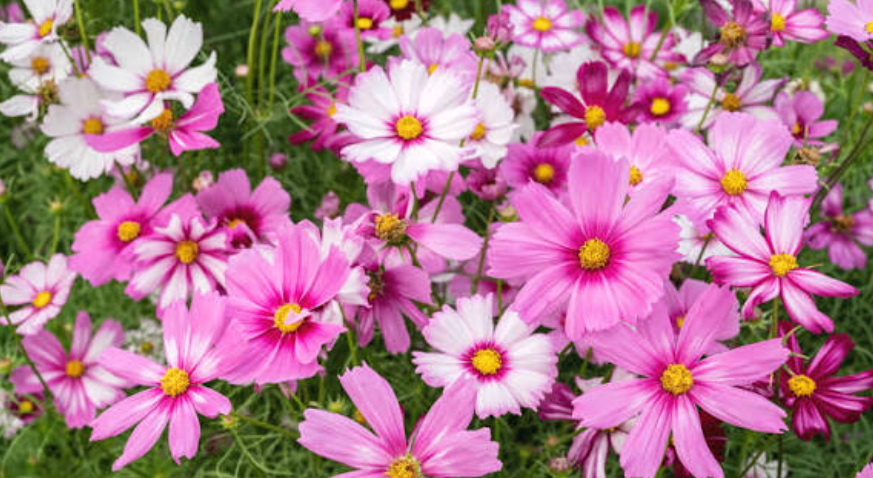
Together, October’s flowers create an interesting contrast:
The warmth and passion of marigold balanced by the calm elegance of cosmos.
Beyond the symbolism of birth flowers, the changing seasons offer another way to explore personal style and identity — discover The Fancylicious Zodiac Edit: Libra Season for inspiration drawn from the sign of the Scales.”
11. November — Chrysanthemum: Friendship, Loyalty and Honesty
November has a single primary birth flower in the tradition we’re following: the chrysanthemum.
Often affectionately called a mum, the chrysanthemum comes in an extraordinary variety of colours and forms. Its traditional birth-flower symbolism includes friendship, loyalty and honesty.
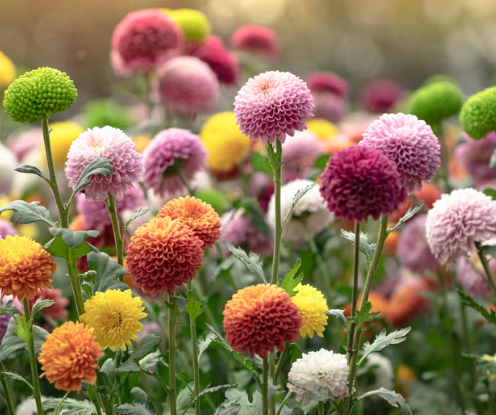
The flower is particularly interesting because its cultural meaning varies around the world. In some cultures it is strongly associated with celebration and longevity, while in others particular colours or arrangements have different meanings.
That makes the chrysanthemum a perfect example of why the language of flowers should be treated as symbolic tradition rather than a universal dictionary.
For November birthdays, its message is beautifully straightforward:
Friendship matters, loyalty lasts and honesty has its own beauty.
12. December — Narcissus & Holly: Rebirth, Hope and Protection
December closes the birth-flower calendar with two flowers that feel naturally connected to the winter season.
Narcissus
The narcissus, including paperwhite varieties, is December’s primary birth flower and is traditionally associated with rebirth and hope.
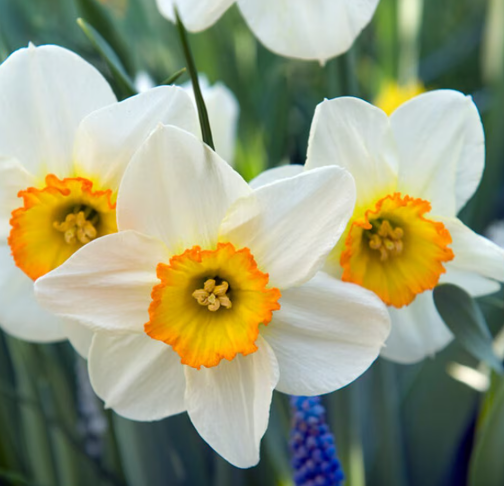
Its appearance during the colder months makes the symbolism particularly appropriate. When much of the garden is dormant, the narcissus offers a reminder that another season is waiting ahead.
Holly
The holly is December’s secondary flower and is associated with protection, happiness and goodwill.
Its glossy green leaves and bright berries have also made it one of the most recognizable plants of the holiday season.
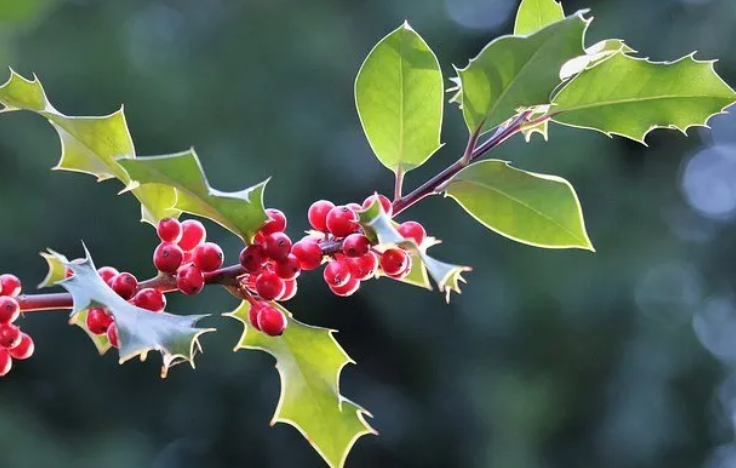
Together, December’s flowers offer a fitting conclusion to the year:
Hope for renewal and protection for what comes next.
How to Use Birth Flowers as a More Personal Gift
Knowing someone’s birth flower can turn an otherwise ordinary floral gift into something much more meaningful.
Instead of simply choosing a bouquet based on colour or season, you can select the flower associated with the recipient’s birth month — or incorporate it subtly into a larger arrangement.
A few possibilities include:
- A single birth flower presented simply and elegantly
- A bouquet combining the month’s primary and secondary flowers
- A dried flower arrangement for a longer-lasting keepsake
- A botanical illustration of the recipient’s birth flower
- A birth-flower-inspired birthday card
- A small floral arrangement paired with a handwritten explanation of its symbolism
You can also use the colour symbolism of the flower to make the gift more personal. Roses, carnations, chrysanthemums and several other flowers can carry different associations depending on their colour.
Birth flowers are part of a much broader tradition of giving everyday objects, plants and natural elements symbolic meanings — something we also explore in Good Luck Symbols Around the World and the Stories Behind Them.
Birth Flowers, Birthstones and the Language of Symbolism
What makes birth flowers particularly fascinating is that they belong to a much larger world of symbolism.
We already associate certain gemstones with particular months, and many people also look to astrology for another layer of personality and meaning.
Birth flowers offer something softer and more botanical.
They connect a birthday with nature, seasonality, colour and emotion, creating a symbolic language that feels personal without being overly complicated.
Birth flowers are another beautiful way to explore the symbolism attached to the month you were born, much like the personality and symbolism explored through our The Fancylicious Zodiac Edit: Leo Season and The Fancylicious Zodiac Edit: Virgo Season.
The two traditions can even complement one another. Someone might choose to wear their birthstone, identify with their zodiac sign and keep their birth flower as a favourite bloom.
None of these traditions has to define you.
They can simply offer another beautiful way to tell your story.
Flowers as a Language Beyond Words
The idea that a single flower can communicate an emotion or sentiment is part of a much larger fascination with words and concepts that carry meanings beyond a simple translation, something explored in Beautiful Words From Around the World That English Can’t Quite Translate.
The Victorian language of flowers is fascinating precisely because it transformed something visual into something almost conversational.
A flower could express love, remembrance, gratitude, hope or even a farewell.
And that symbolism has continued to influence art, literature, fashion, gardens and interiors.
Flowers have also played an important role in art, where individual blooms have often been used to communicate ideas about beauty, mortality, love and renewal. For more beautiful examples of the relationship between art, architecture and symbolism, explore The Most Beautiful Museums in the World: Where Art, Architecture and Beauty Come Together.
The result is a tradition that feels surprisingly modern: using beautiful objects to communicate something personal without saying it directly.
Colour itself can carry an equally fascinating history of symbolism, from shades associated with prosperity and protection to those connected with renewal and celebration. Discover the lucky colours around the world and the traditions behind them.
Flowers are not the only everyday things that have acquired symbolic meaning through tradition. From gemstones and colours to the simple act of tossing a coin into water, cultures have long turned ordinary objects and gestures into rituals filled with hope and meaning. Explore Why Do We Toss Coins Into Fountains? The Stories Behind Everyday Traditions to discover the story behind one of the world’s most familiar traditions.
Let Beautiful Spaces Inspire Your Own Floral Story
Flowers have long been part of the visual language of beautiful interiors, from botanical details in historic spaces to the gardens and surroundings of some of the world’s most extraordinary libraries.
If you’re inspired by the atmosphere of beautiful libraries around the world, our guide to The Most Beautiful Libraries in the World: A Journey Through Extraordinary Spaces is a lovely source of inspiration for creating a more bookish and atmospheric environment at home.
The same idea applies to flowers.
You don’t necessarily need an elaborate arrangement. A single bloom in a small vase can sometimes have more impact than an overflowing bouquet.
Your birth flower could become a subtle recurring detail in your home — perhaps in fresh flowers, botanical artwork, tableware or even a colour palette inspired by its petals.
That makes the tradition feel less like a birthday fact and more like a personal design detail.
The Fancylicious Birth Flower Edit
Perhaps the most charming thing about birth flowers is that they give us another way to think about the natural world.
We already associate birthdays with zodiac signs and birthstones. A birth flower adds something softer:
a colour, a shape, a fragrance and a piece of botanical symbolism.
Whether you believe the flower associated with your birth month reflects your personality or simply enjoy the tradition, discovering it can make flowers feel a little more personal.
And perhaps that is the real beauty of the language of flowers.
A bouquet doesn’t have to be just beautiful.
It can have something to say.
EDITOR’S NOTE
Birth flowers are most beautiful when treated as inspiration rather than a strict set of rules. Traditions differ, meanings evolve and the same flower can symbolize different things across cultures. What makes the idea special is the opportunity to choose a bloom with a story behind it — and make that story personal.
Your Birth Flower, Your Story
Whether you were born in January beneath the symbolism of the carnation and snowdrop, in June with the romantic rose, or in December with the hopeful narcissus, your birth flower offers a tiny connection between your birthday and the natural world.
And while the symbolism may vary from one tradition to another, that is part of the charm.
There is no need to take the language of flowers too literally.
Simply enjoy the idea that somewhere along the way, someone looked at a beautiful flower and decided that it could represent something more.
Because sometimes, the most beautiful things are the ones with a story behind them.