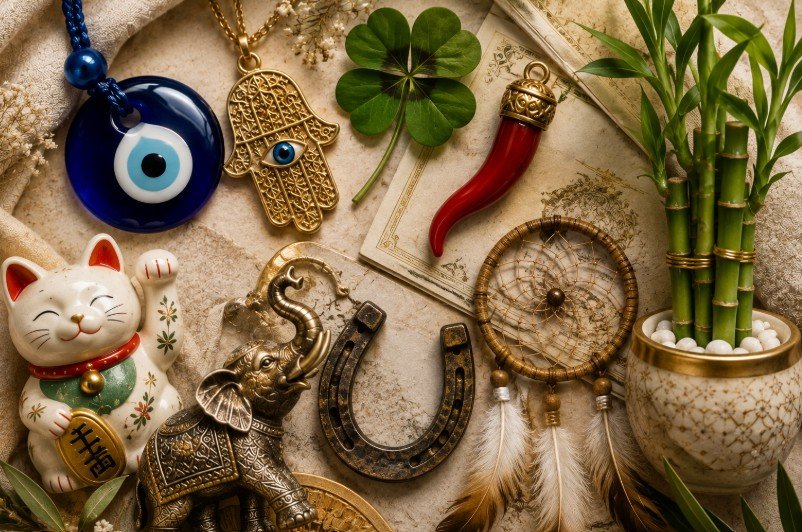
From the Evil Eye to the Hamsa and the Italian Cornicello, discover the fascinating traditions behind some of the world’s most recognizable symbols of luck and protection.
Luck means something different to every culture.
For thousands of years, people around the world have carried charms and displayed good luck symbols in the hope of attracting fortune, prosperity or protection. Whether rooted in religion, folklore or local customs, these symbols offer a fascinating glimpse into the history and values of the communities that cherish them.
Today, many of these symbols are worn as jewellery, displayed in homes or exchanged as thoughtful gifts. Some people view them as meaningful traditions, while others simply appreciate their beauty and cultural significance.
Gemstones have also carried symbolic meanings for centuries. Discover the hidden meaning of birthstones and what different gemstones are traditionally believed to represent.
In a multicultural city like Dubai, where people from every corner of the world live side by side, it’s common to encounter these symbols in markets, homes, boutiques and everyday conversations. Understanding their origins allows us to appreciate the diverse traditions that make our world so rich and connected.
If you enjoy exploring the traditions and stories that shape different cultures, you’ll also love our monthly The Zodiac Edit series, where we discover the fascinating history, mythology and symbolism behind each zodiac season.
EDITOR’S NOTE
Whether you see them as meaningful traditions, beautiful keepsakes or simply expressions of cultural heritage, good luck symbols remind us that every culture has its own unique way of celebrating hope, protection and positivity.
1. The Evil Eye
Origin: Turkey, Greece and the Middle East
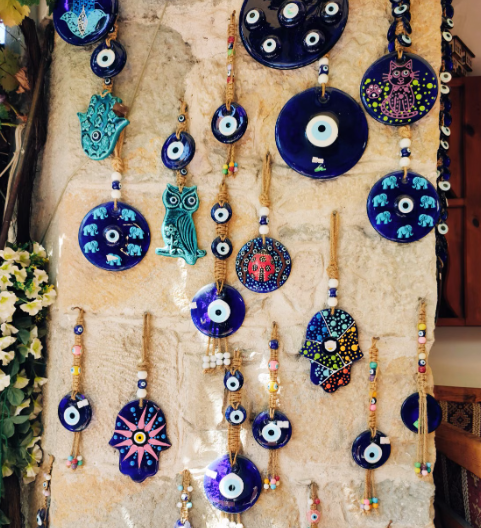
One of the world’s most recognisable protective symbols, the Evil Eye is believed in many cultures to guard against envy and negative intentions.
Typically depicted as a blue eye-shaped amulet, it can be found on jewellery, keychains, home décor and even newborn gifts. While interpretations vary between cultures, it is commonly associated with protection rather than bringing luck itself.
Meaning
- Protection from envy
- Warding off negative energy
- Spiritual safeguarding
2. The Hamsa Hand
Origin: North Africa and the Middle East
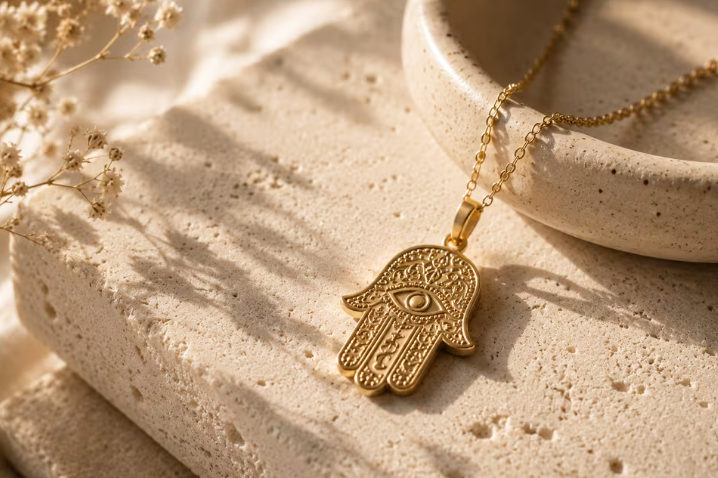
The Hamsa, sometimes called the Hand of Fatima or the Hand of Miriam depending on cultural and religious traditions, is another widely recognised symbol of protection.
Usually shaped as an open hand, it often features an eye at its centre and appears in jewellery, wall art and decorative objects across many countries.
Meaning
- Protection
- Blessings
- Strength
- Peace
DID YOU KNOW?
Although the Evil Eye and the Hamsa are often seen together in jewellery and home décor today, they originated from different cultural traditions and aren’t universally paired in every community.
3. Four-Leaf Clover
Origin: Ireland
Finding a naturally occurring four-leaf clover has long been considered a sign of extraordinary good fortune.
Unlike the common three-leaf clover, the fourth leaf is a rare genetic variation, making it an enduring symbol of luck and optimism in Irish folklore.
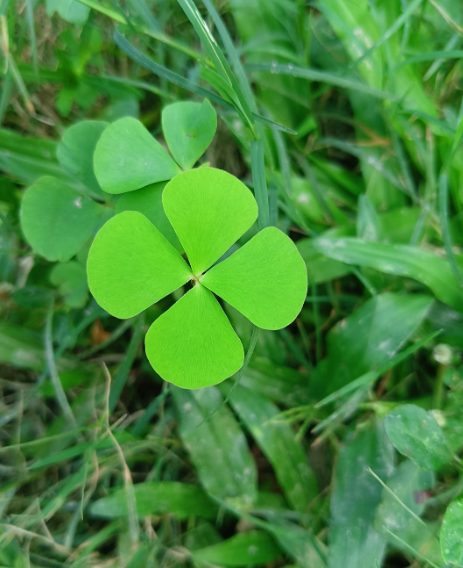
Each leaf is traditionally said to represent:
- Hope
- Faith
- Love
- Luck
Today, the four-leaf clover remains one of the world’s most recognised symbols of good fortune.
Meaning
- Hope
- Faith
- Love
- Luck
4. The Cornicello
Origin: Italy
Italy has a rich tradition of lucky charms, but none is more iconic than the Cornicello, also known as the Italian horn.
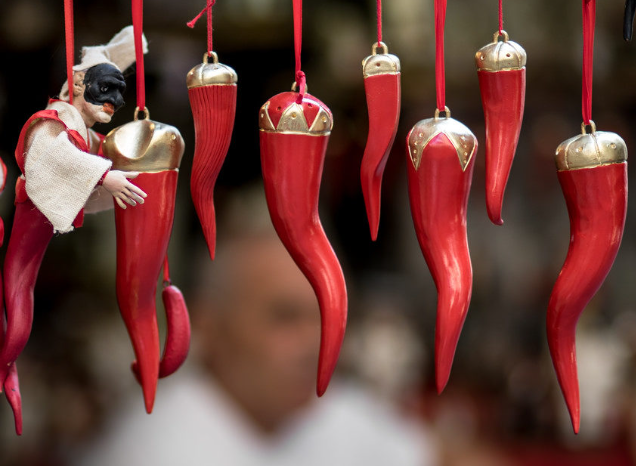
Usually crafted in red coral, gold or silver, this small horn-shaped amulet has been worn for centuries and is traditionally associated with protection from bad luck and the “evil eye.” Today, it remains a popular piece of jewellery and a meaningful gift, particularly in southern Italy, where it continues to be embraced as part of the country’s cultural heritage.
Meaning
- Protection from bad luck
- Good fortune
- Prosperity
- Cultural tradition
DID YOU KNOW?
Many good luck symbols have evolved over centuries, and their meanings can vary from one country—or even one region—to another. The same symbol may represent protection in one culture while symbolising prosperity or happiness in another.
5. Lucky Bamboo
Origin: China
Despite its name, Lucky Bamboo isn’t actually bamboo—it’s a resilient houseplant that has become a popular symbol of prosperity and positive energy in Chinese culture.
The number of stalks often carries different meanings. For example, two stalks are commonly associated with love, while three symbolise happiness, wealth and long life.
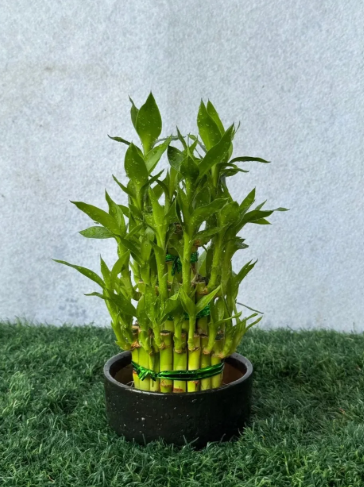
Today, Lucky Bamboo is frequently displayed in homes and offices as a decorative plant that represents growth, balance and harmony.
Meaning
- Prosperity
- Growth
- Harmony
- Good fortune
6. Maneki-neko (Lucky Cat)
Origin: Japan
The Maneki-neko, often called the “Beckoning Cat” or “Lucky Cat,” is one of Japan’s most beloved cultural symbols.
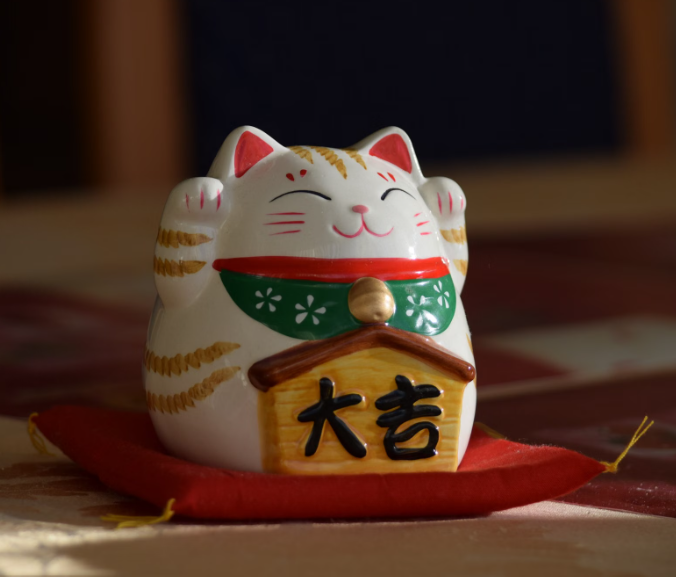
Usually displayed with one raised paw, the figurine is commonly placed near the entrance of shops, cafés and restaurants. Depending on the tradition, the raised left paw is believed to welcome customers, while the right paw is often associated with attracting wealth and prosperity.
Meaning
- Business success
- Prosperity
- Good fortune
- Hospitality
STYLE TIP
If you enjoy decorating your home with cultural symbols, choose pieces because you appreciate their history, craftsmanship and meaning—not simply because they’re believed to bring luck. Learning about their origins is one of the best ways to celebrate and respect the cultures they come from.
7. Elephant with Raised Trunk
Origin: India
Across many parts of India and other Asian cultures, elephants are admired as symbols of wisdom, strength and good fortune.
Decorative elephant figurines are often displayed in homes, with a raised trunk traditionally representing welcome, positivity and prosperity.
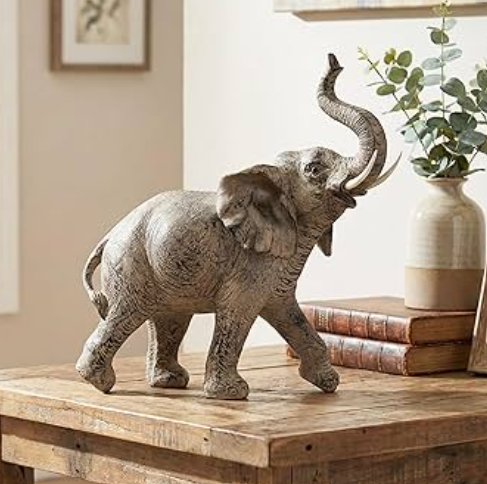
Although interpretations vary, the elephant continues to be one of the world’s most enduring symbols of resilience and good fortune.
Meaning
- Wisdom
- Strength
- Prosperity
- Good fortune
8. Horseshoe
Origin: Europe
For centuries, the horseshoe has been regarded as a symbol of protection and good luck across many European countries.
Traditions differ regarding how it should be displayed. Some believe a horseshoe should face upward to “hold” good luck, while others hang it downward to allow good fortune to flow over those who enter the home.
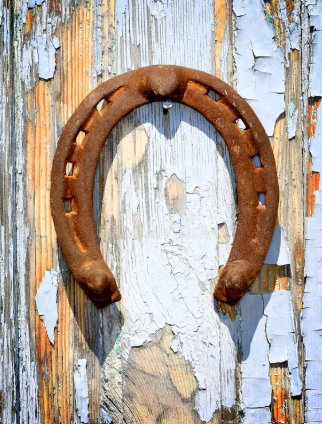
Despite these different interpretations, it remains one of the most recognised lucky symbols in the world.
Meaning
- Protection
- Good fortune
- Prosperity
- Strength
9. Dreamcatcher
Origin: Indigenous Ojibwe (Anishinaabe) culture, North America
Originally created by the Ojibwe people, the dreamcatcher is a traditional handcrafted object with deep cultural and spiritual significance.
According to tradition, it was hung above sleeping areas to filter dreams, allowing good dreams to pass through while negative dreams became caught in the woven web until the morning light.
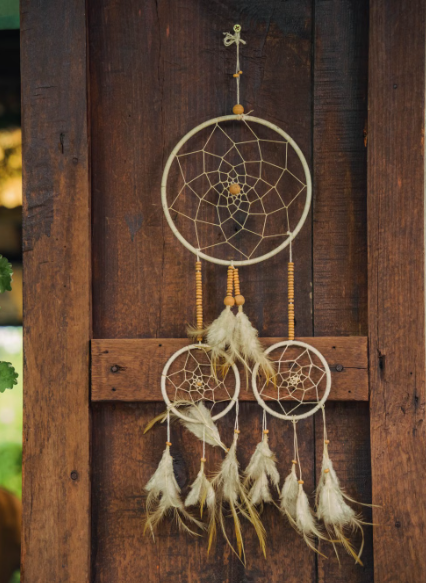
Today, dreamcatchers are admired around the world, but it’s important to recognise and respect their Indigenous origins and cultural meaning.
Meaning
- Protection
- Positive dreams
- Spiritual wellbeing
- Cultural heritage
Why Do Good Luck Symbols Exist in Every Culture?
Although the symbols themselves differ, many cultures share a common desire to express hope, protection and prosperity through meaningful objects and traditions.
Colour is another powerful form of cultural symbolism, and lucky colours around the world reveal how different societies associate particular shades with prosperity, protection and new beginnings.
Flowers have their own fascinating language of symbolism too, with different blooms traditionally representing everything from love and loyalty to hope and renewal. Discover Birth Flowers and Their Meanings: The Hidden Symbolism Behind Every Month to find the flower associated with your birth month.
Throughout history, people have created symbols that reflect their beliefs, values and local customs. Some are closely connected to religion, others to folklore or everyday life, but all tell a story about the communities that embraced them.
Whether worn as jewellery, displayed in the home or passed down through generations, these symbols continue to connect people with their cultural heritage while reminding us of the universal human desire for happiness, protection and good fortune.
A meaningful charm or symbolic object can also become a beautiful part of your personal surroundings, much like the small decorative details discussed in How to Style a Beautiful Bedside Table.
Just as cultures around the world have developed their own symbols for luck and protection, languages have also created wonderfully specific words for emotions and experiences. Discover more in Beautiful Words From Around the World That English Can’t Quite Translate.
From lucky charms and protective symbols to everyday rituals, people have always found ways to express hope through meaningful gestures. Discover another fascinating tradition in Why Do We Toss Coins Into Fountains? The Stories Behind Everyday Traditions, where a simple coin becomes part of a centuries-old relationship between water, wishes and good fortune.
Every culture tells its stories through symbols, and every symbol offers a window into the beliefs, traditions and hopes of the people who created it.
Final Thoughts
Whether displayed as jewellery, gifted to loved ones or kept as decorative objects, good luck symbols continue to connect people with centuries of history, tradition and storytelling.
While beliefs surrounding these symbols differ from one culture to another, they all share a common thread: a desire for protection, happiness, prosperity and hope. Understanding their origins allows us to appreciate not only their beauty but also the rich cultural heritage they represent.
Discovering traditions is one of the joys of travel. If you’re exploring Dubai, don’t miss The Best Afternoon Tea Experiences in Dubai (Luxury Edition), where British heritage meets world-class hospitality.
While symbols can represent hope and inspiration, achieving your goals ultimately comes from the actions you take. If you’re working towards new professional opportunities, explore our guide to How to Manifest Your Dream Career, which focuses on developing positive habits and a growth mindset.
Rather than viewing them simply as lucky charms, they remind us that every culture has its own stories, traditions and ways of celebrating life’s important moments. Exploring those traditions helps us better understand one another—and that’s perhaps the greatest discovery of all.