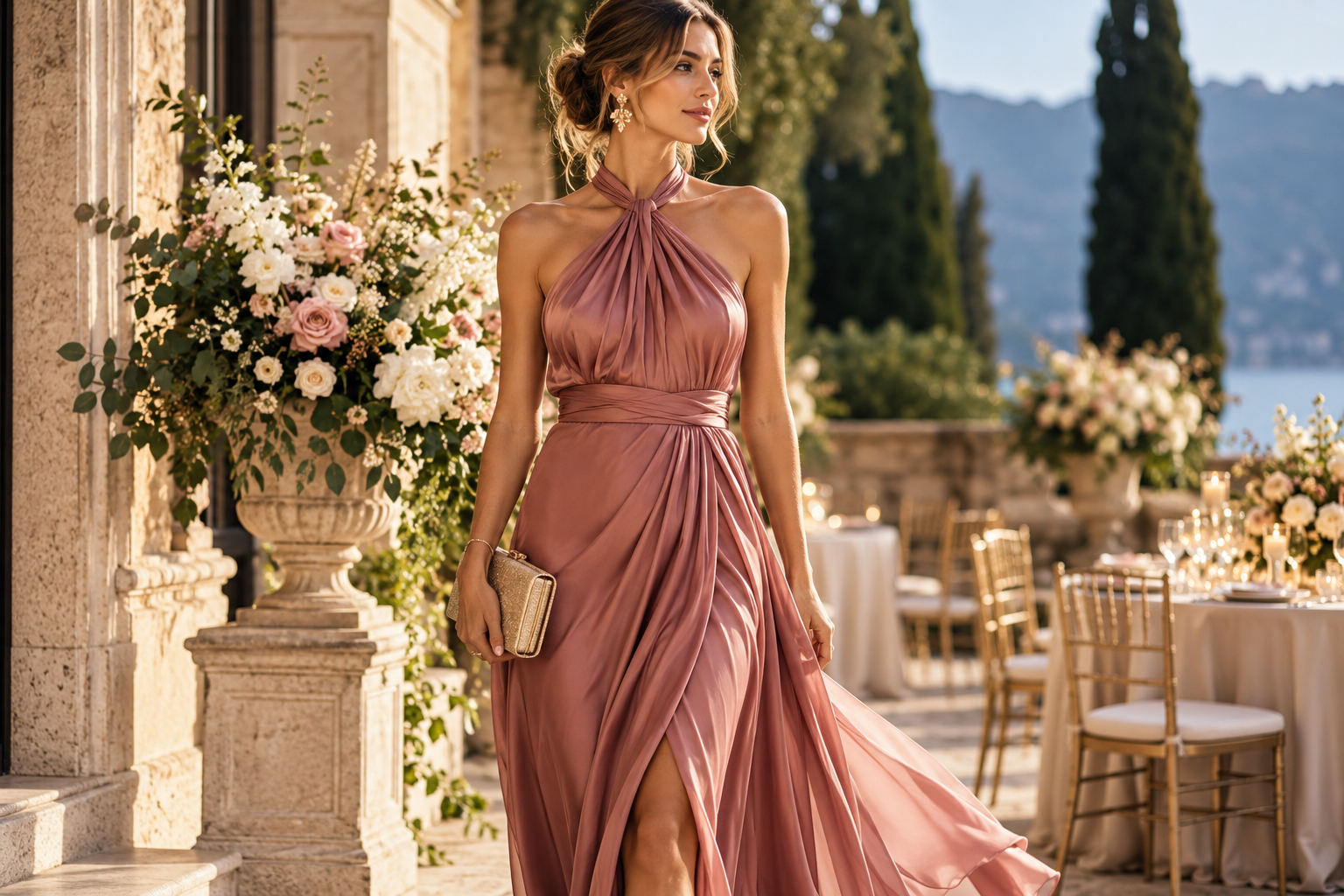
A wedding invitation is more than a date to save in your calendar. It is also your first clue about what to wear.
The venue, the season, the time of day and, most importantly, the dress code all help determine what feels appropriate. A black-tie celebration calls for a very different approach from a relaxed garden wedding, while a cocktail reception offers room for a little more personality.
The secret to dressing beautifully as a wedding guest is finding the balance between elegance, occasion and personal style. The right outfit should feel polished without appearing overdone, reflect the formality of the celebration and allow you to enjoy the day comfortably.
Whether you are attending a formal evening reception, a sophisticated city wedding or an intimate celebration, understanding the dress code makes choosing an outfit considerably easier.
In this guide, we explore how to dress for different wedding dress codes, with elegant outfit ideas, styling advice and thoughtful details to help you create a look that feels entirely your own.
Before You Choose Your Outfit: How to Read a Wedding Dress Code
Before deciding on a dress, suit or accessories, start with the invitation. The dress code establishes the expected level of formality, while the venue and timing provide additional clues.
A formal evening reception, for example, usually calls for more structured silhouettes and refined fabrics. A daytime celebration in a garden may feel more suited to flowing dresses, delicate prints and lighter textures. We need to consider the invitation, time of day, type of ceremony, local customs and religious or cultural requirements when choosing wedding attire.
It is also worth checking whether the couple has shared any colour guidance or cultural considerations. Some weddings have specific traditions, religious requirements or requests regarding attire, and respecting these details is part of being a thoughtful guest.
Above all, remember that the couple and the occasion should remain the focus. An elegant wedding guest outfit complements the celebration rather than competing with it.
DID YOU KNOW?
Wedding dress codes are not simply about how formal an outfit looks. They also help guests dress appropriately for the setting, time of day and style of celebration. When an invitation specifies a dress code, it is best treated as practical guidance rather than a suggestion.
1. Black Tie: The Art of Evening Elegance
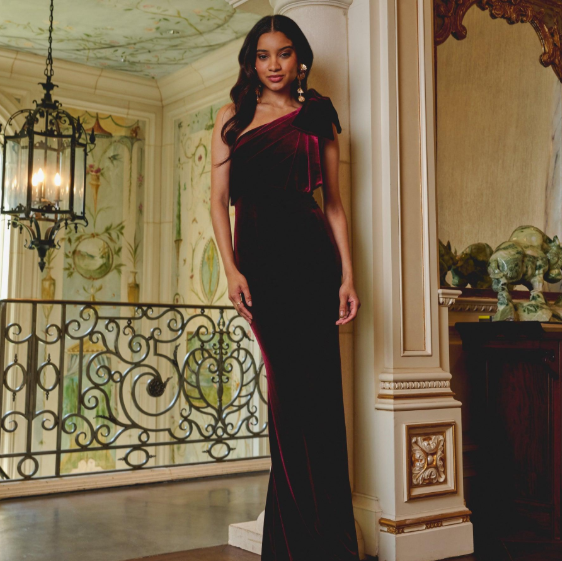
Black tie is one of the most formal wedding dress codes, typically associated with evening celebrations, grand venues and sophisticated receptions.
For women, a floor-length evening gown is the classic choice. Current etiquette guides also recognise a dressy cocktail dress or an especially polished little black dress for black-tie occasions, although the formality of the wedding, venue and local customs should always be considered.
For Fancylicious, I would approach black-tie dressing through rich colour, luxurious fabric and elegant proportion, rather than automatically defaulting to black.
What to Wear
- A floor-length gown: Choose a fluid column, softly A-line or gently draped silhouette for timeless elegance.
- A formal evening dress: A sophisticated full-length design in satin, silk, velvet or crepe can create a beautiful evening look.
- A refined formal jumpsuit: A tailored jumpsuit with an elegant neckline and fluid trousers can offer a contemporary alternative.
- A sophisticated evening ensemble: Depending on the wedding and local customs, beautifully tailored separates can also work when the overall effect remains suitably formal.
Colours and Fabrics
Deep jewel tones such as emerald, sapphire, burgundy and plum can create a rich evening effect. Midnight blue, sophisticated neutrals and understated metallics can also work beautifully.
Black itself is not universally prohibited at modern weddings. Historically, it was associated with mourning, but contemporary wedding etiquette generally accepts black, particularly for formal and evening celebrations. The important consideration is context: an all-black look can appear sombre at some weddings, while a black gown styled with elegant jewellery or colourful accessories can feel distinctly celebratory.
For daytime celebrations, however, lighter and brighter colours often feel more naturally suited to the setting.
Fabric makes a considerable difference. Satin, silk, velvet and quality crepe tend to create a more formal impression than casual cotton or lightweight jersey.
The Finishing Touch
Keep accessories intentional. If your gown has intricate detailing, choose simpler jewellery. If the dress is understated, a sculptural earring or elegant evening bag can introduce interest.
The result should feel luxurious rather than excessive.
The right proportions can make even a relatively simple outfit feel exceptionally polished. If you want to explore how volume, length and silhouette work together, see our guide to The Ultimate Guide to Outfit Proportions: How to Balance Any Look.
2. Formal or Black-Tie Optional: Polished and Sophisticated
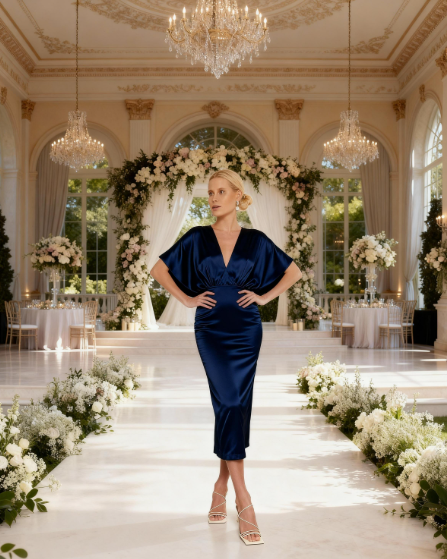
Formal and black-tie-optional dress codes offer a little more flexibility while maintaining a refined standard of dressing.
A floor-length gown remains an excellent choice, but it is not the only option. A beautifully cut midi dress, an elegant tailored suit or a sophisticated jumpsuit can work equally well, particularly for guests who prefer a more modern silhouette. Formal evening gowns, dressy cocktail dresses, little black dresses and dressy separates are among the possibilities for black-tie-optional events.
This is an opportunity to invest in the details: beautiful fabric, considered proportions and accessories that bring the entire outfit together.
What to Wear
- A satin or crepe midi dress: Elegant and versatile for many formal receptions.
- A sophisticated maxi dress: Choose a fluid silhouette with understated detailing.
- A tailored suit: A well-fitted suit in a refined fabric can feel just as occasion-appropriate as a dress.
- An elegant jumpsuit: Look for a defined waist, fluid trousers and a polished finish.
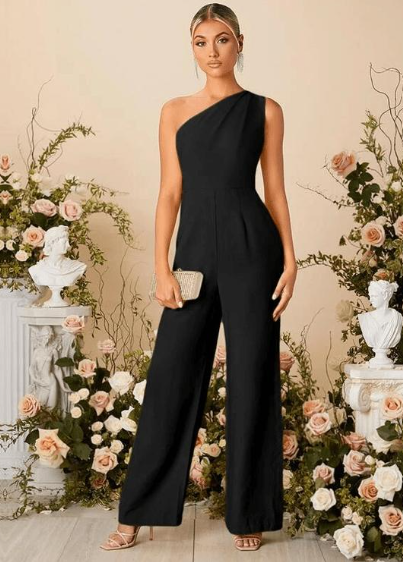
For colour, consider deep blue, forest green, plum, rose, champagne or muted metallics. The best choice will depend on the season, venue and your personal style.
How to Make It Feel Formal
The distinction between a daytime dress and a formal wedding look often lies in the styling.
A simple midi dress can feel considerably more elevated with elegant heels, a structured clutch and fine jewellery. A tailored suit can be softened with a silk blouse, delicate accessories or a beautifully draped scarf.
For more inspiration on incorporating this accessory into an outfit, explore How to Style a Scarf: Elegant Ways to Wear This Timeless Accessory.
The goal is not to add as many details as possible, but to choose a few that make the outfit feel complete.
3. Cocktail Attire: Elegant, Modern and Occasion-Ready
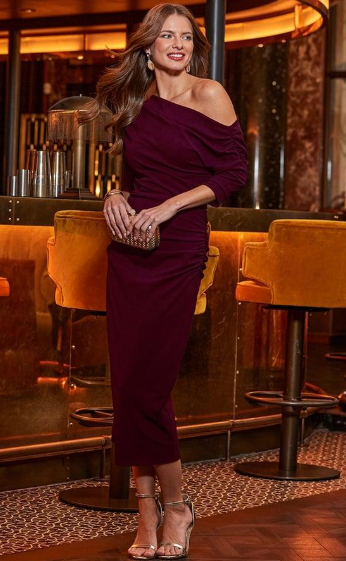
Cocktail attire is one of the most versatile wedding dress codes. It sits between formal eveningwear and more relaxed occasion dressing, leaving plenty of room for individual style.
A midi dress is a particularly reliable choice, although a polished knee-length design, an elegant jumpsuit or a coordinated evening ensemble can work just as well.
This is also the dress code where you can experiment a little more with colour, texture and accessories while keeping the overall look sophisticated.
What to Wear
- A refined midi dress: A timeless option that works across many venues and seasons.
- A modern cocktail dress: Consider a sculptural neckline, an interesting sleeve or subtle draping.
- An elegant jumpsuit: A tailored design offers a contemporary alternative to a dress.
- A coordinated two-piece: A beautifully matched top and skirt or tailored set can look polished and distinctive.
For daytime cocktail weddings, lighter colours, delicate prints and softer fabrics can feel appropriate. For evening receptions, deeper shades, satin finishes and more dramatic accessories can create a sophisticated effect.
The Details That Make the Look
Cocktail dressing is an opportunity to introduce personality through one or two distinctive elements.
A pair of sculptural earrings, a beautifully shaped clutch or an elegant heel can transform a simple outfit. If your dress already features a bold colour, striking print or architectural silhouette, keep the accessories more restrained.
Consider the practicalities, too. If the celebration includes a ceremony followed by several hours of standing and dancing, choose footwear that you can comfortably wear throughout the event.
A polished outfit should look beautiful — but it should also allow you to enjoy the occasion.
STYLE TIP
Choose one statement element for your wedding guest look — a striking colour, an elegant neckline or distinctive accessories. Let the rest of the outfit remain understated, so the overall effect feels polished rather than overstyled.
4. Semi-Formal: Relaxed Elegance
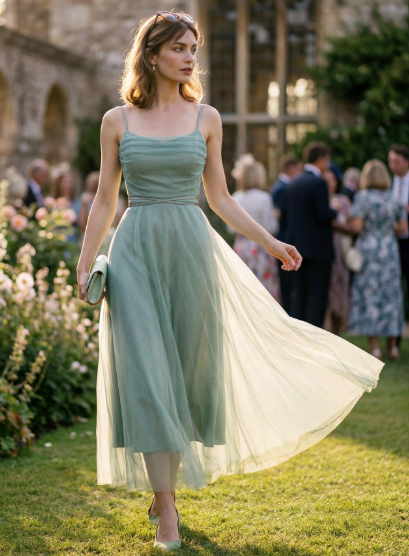
Semi-formal attire offers more freedom than black tie or formal dress codes, but it still calls for an outfit that feels special enough for the occasion.
The key is to avoid interpreting semi-formal as everyday casual. You do not necessarily need a floor-length gown or elaborate eveningwear, but a thoughtful combination of silhouette, fabric and accessories will help create the right balance.
A flowing midi dress, a refined wrap dress or an elegant tailored ensemble can all be suitable choices. Dressy afternoon dresses, suits and pantsuits are good options within daytime semi-formal dressing, while cocktail dresses and dressy pantsuits work for evening celebrations.
What to Wear
- A fluid midi dress: Choose a flattering cut in a fabric that moves beautifully.
- A refined wrap dress: A versatile option for daytime and early-evening celebrations.
- An elegant skirt and blouse: Pair a polished skirt with a silk or otherwise elevated top.
- Tailored separates: Wide-leg trousers with a refined blouse or structured top can create a sophisticated alternative.
Soft florals, muted pastels, warm neutrals and understated jewel tones can all work, depending on the season and setting.
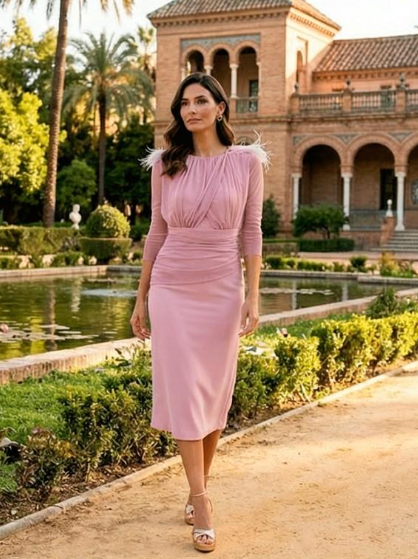
For a daytime wedding, lighter fabrics and delicate accessories may feel particularly appropriate. For an evening celebration, deeper colours and more polished finishing touches can bring additional formality.
Finding the Right Balance
Semi-formal dressing is often about proportion. If you choose a relaxed silhouette, elevate it with refined shoes and a structured bag. If your outfit is more tailored, softer fabrics or delicate jewellery can prevent it from feeling too corporate.
Your own proportions and personal style should guide the final choice. If you are still exploring which silhouettes you feel most confident wearing, our guide to How to Dress for Your Body Shape offers further styling inspiration.
The most successful look is one that feels natural to you while respecting the occasion.
5. Garden Weddings: Romantic and Effortlessly Elegant
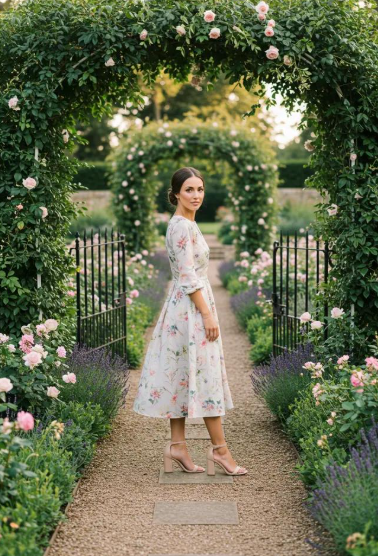
Garden weddings lend themselves beautifully to softer silhouettes, delicate prints and fabrics that move naturally.
A flowing midi dress is an effortless choice, particularly when paired with elegant sandals, block heels or a refined slingback. Florals can feel wonderfully appropriate, but they are not essential. A solid colour in a soft pastel, sophisticated neutral or rich botanical shade can be equally beautiful.
What to Wear
- A floral midi dress: Choose a refined print rather than anything overly casual.
- A flowing maxi dress: Particularly elegant for an afternoon or early-evening celebration.
- A polished two-piece: A skirt and blouse can create a sophisticated garden-party effect.
- A refined jumpsuit: A fluid silhouette works beautifully for guests who prefer trousers.
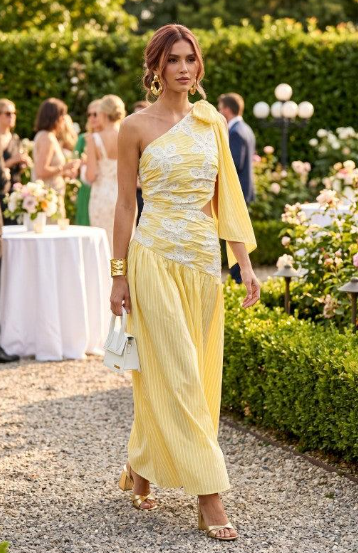
Pay attention to footwear. A delicate stiletto may look beautiful but can become impractical on grass or uneven ground. Block heels, wedges and elegant flats can offer a more comfortable alternative without compromising the outfit.
A lightweight scarf can also be useful if the celebration continues into the evening.
6. Beach Weddings: Light, Fluid and Refined
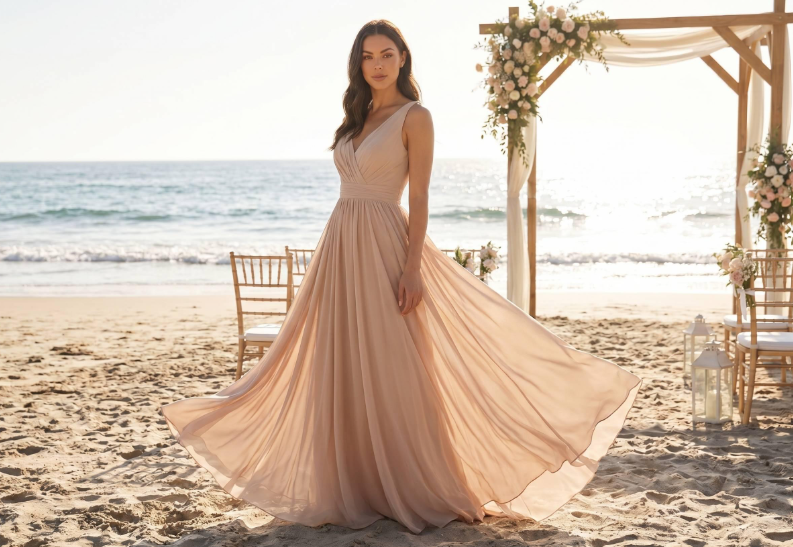
A beach wedding does not mean dressing casually. Instead, think elevated resort dressing: fluid fabrics, breathable silhouettes and accessories that feel polished without being overly formal.
Lightweight silk, chiffon, linen blends and other breathable fabrics can work beautifully in warm weather. Midi and maxi dresses are particularly versatile, while a sophisticated jumpsuit can provide an elegant alternative.
What to Wear
- A flowing maxi dress: Perfect for creating movement while remaining comfortable in warm weather.
- A lightweight midi dress: An elegant option for less formal beach celebrations.
- A refined jumpsuit: Choose a fluid fabric and relaxed but polished silhouette.
- Elegant flat sandals: Particularly practical if the ceremony takes place directly on sand.
Soft neutrals, ocean-inspired blues, coral, sage, warm pinks and other sun-washed shades can complement the setting beautifully.
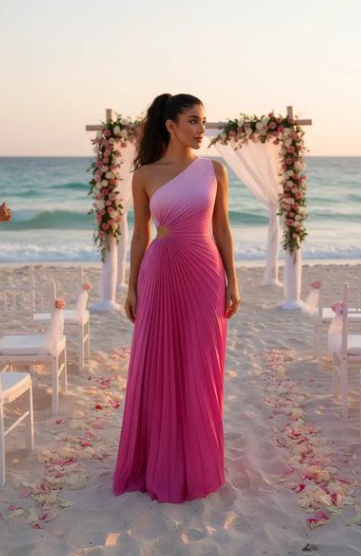
Avoid anything so delicate or elaborate that it becomes impractical in wind or sand. The best beach wedding outfit looks effortless while still feeling unmistakably occasion-ready.
7. Destination Weddings: Dress for the Place as Well as the Invitation
A destination wedding introduces another consideration: the environment.
A dress code remains the starting point, but climate, local customs, venue and travel should all influence your final choice.
For a warm destination, breathable fabrics and lighter construction can make a significant difference. For a cooler European celebration, layering becomes more important. A beautiful wrap, tailored jacket or elegant shawl can transform an outfit while providing extra warmth.
It is also worth researching local customs before travelling. Religious or cultural ceremonies may have specific expectations around covered shoulders, hemlines, footwear or other aspects of dress.
And because destination weddings often involve several events, consider building a small occasion wardrobe rather than relying on one outfit. A dress that works for a welcome dinner can be styled differently for a daytime ceremony, while a versatile jumpsuit can transition from one setting to another with a change of accessories.
If you’re travelling for the celebration, a carefully edited wardrobe can make packing considerably easier. Our guide to The Chic Travel Capsule Wardrobe explores how versatile pieces and carefully chosen accessories can create several polished looks without overpacking.
8. What to Wear to a Wedding in Dubai
Dubai weddings can range from intimate outdoor celebrations to spectacular ballroom receptions, so the venue and invitation should always guide the level of formality.
For an evening wedding in a luxury hotel, formal or black-tie dressing may be appropriate. Floor-length gowns, elegant evening dresses, refined jumpsuits and beautifully tailored looks can all work depending on the specified dress code.
For daytime or outdoor celebrations, lighter fabrics and sophisticated colours can be more comfortable in Dubai’s climate. Flowing silhouettes, breathable materials and elegant sandals can help create a polished look without sacrificing practicality.
Modesty can also be an important consideration, particularly when attending a religious ceremony or a celebration with specific cultural expectations. A sophisticated shawl, jacket or elegant wrap can provide additional coverage when needed.
The key is to let the wedding itself determine the level of glamour. A lavish ballroom reception invites a different approach from a relaxed garden or beach celebration.
9. Wedding Guest Colours: What to Consider
Colour is one of the easiest ways to make a wedding guest outfit feel personal, but it is also an area where etiquette and cultural traditions can matter.
The most universally recognised rule is to avoid white or shades that could reasonably be mistaken for bridalwear, unless the couple has specifically requested an all-white dress code. This includes very pale ivory or cream in some circumstances.
Black is more nuanced. As discussed, contemporary etiquette generally accepts black for formal and evening weddings, although an entirely black look may feel too sombre for certain celebrations. Consider the venue, time of day and cultural context before choosing it.
Red can also require more thought. In some cultures, particularly at traditional Indian or Chinese weddings, red can have strong bridal associations. In these cases, guests may prefer to avoid wearing an outfit that could compete visually with the bride. If you are attending a wedding rooted in a particular cultural tradition, checking the couple’s preferences is always the safest approach.
Beyond those considerations, colour is an opportunity to express your personal style. Jewel tones, elegant pastels, sophisticated neutrals and seasonal shades can all work beautifully when they suit the setting.
If you want to experiment with colour while keeping the overall outfit harmonious, our guide to How to Mix Colours in an Outfit: Elegant Colour Combinations offers further inspiration.
10. Accessories: The Details That Complete the Look
The right accessories can turn a beautiful dress into a complete wedding guest outfit.
Rather than choosing every accessory independently, think about the overall composition. If the dress has an elaborate neckline, statement earrings may be enough. If the outfit is minimalist, a sculptural clutch or distinctive jewellery can provide the finishing touch.
For more guidance on creating a polished jewellery combination without making the look feel too busy, explore How to Style Jewellery Without Overdoing It.
The Wedding Guest Accessory Edit
Jewellery: Choose pieces that complement rather than compete with your outfit. Fine gold or silver jewellery can work beautifully with minimalist silhouettes, while statement earrings can add drama to a simpler dress.
Clutch: A compact evening bag is often more practical than a large handbag. Choose one that can hold the essentials while complementing the colours and textures of your outfit.
Shoes: Consider the venue as well as aesthetics. Stilettos may work beautifully for a ballroom, while block heels or elegant flats can be much more practical for a garden or beach.
Wrap or scarf: Particularly useful for evening weddings or air-conditioned venues, and an easy way to introduce another texture or colour.
Hair accessories: A discreet embellished clip, elegant headband or sophisticated updo can add polish without making the outfit feel overly styled.
EDITOR’S NOTE
When in doubt, let the invitation, venue and cultural setting guide you. Elegant wedding dressing is less about following every fashion rule and more about showing respect for the occasion while feeling confident in what you wear.
What Not to Wear to a Wedding
Some wedding guest rules are less about fashion and more about consideration.
Avoid anything that could reasonably compete with the bride or groom, including outfits that are excessively bridal, theatrical or revealing for the setting. Unless specifically requested, white and bridal-looking ivory are best avoided.
It is also worth reconsidering anything too casual. Everyday denim, sportswear, beachwear or visibly worn footwear can look out of place even at a relaxed wedding.
And while expressing your personality is encouraged, an outfit that requires constant adjustment or makes it difficult to move comfortably is rarely the best choice.
The ideal wedding guest look should allow you to sit, walk, dine, dance and celebrate without worrying about your clothes.
Building an Elegant Wedding Guest Outfit
If you are unsure where to begin, start with a simple formula:
Dress code + venue + season + silhouette + accessories.
First, establish the level of formality from the invitation. Then consider whether the celebration is indoors or outdoors, daytime or evening, and warm or cool.
From there, choose a silhouette that makes you feel comfortable and confident. Finally, add accessories that elevate rather than overwhelm the outfit.
For example:
Black tie: floor-length gown + elegant heels + clutch + refined jewellery.
Formal: sophisticated midi or maxi dress + heels + structured bag + delicate jewellery.
Cocktail: midi dress + sculptural earrings + elegant heels + compact clutch.
Garden: flowing midi + block heels + lightweight bag + delicate jewellery.
Beach: fluid maxi + refined sandals + minimal jewellery + elegant wrap.
These formulas are starting points, not strict rules. The most successful outfit will always be the one that feels appropriate to the celebration while still feeling like you.
A versatile dress can also become the foundation for several different occasion looks. Our guide to How to Style One Dress Five Different Ways explores how shoes, layers, handbags and jewellery can completely transform the same silhouette.
Elegance is not standing out, but being remembered.
A Final Word on Wedding Guest Style
The best wedding guest outfits do not necessarily follow the most complicated styling formula. They understand the occasion.
A beautiful outfit respects the dress code, responds to the venue and season, considers cultural traditions and leaves enough room for your own personality. Sometimes that means a dramatic evening gown; sometimes it is a beautifully cut midi dress, a tailored suit or an effortless flowing maxi.
The goal is not simply to look fashionable. It is to look considered, elegant and entirely appropriate for the moment.
After all, weddings are celebrations of people, memories and new beginnings. Your outfit should allow you to be part of that celebration — beautifully dressed, comfortable and ready to enjoy every moment.