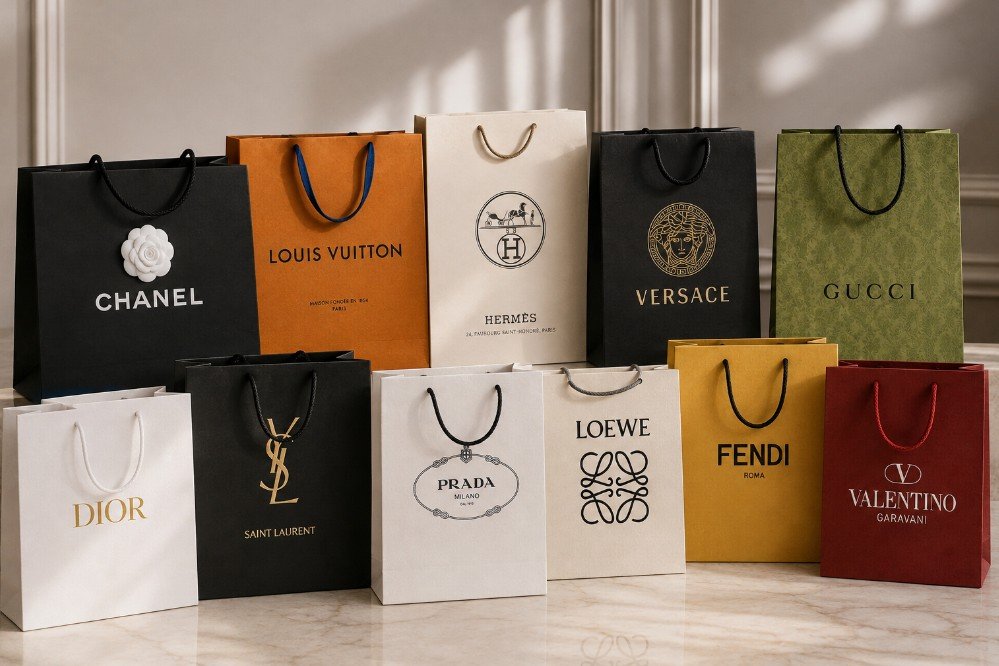
Behind every iconic fashion logo lies a fascinating story of heritage, symbolism and creative vision. Discover the hidden meanings behind some of the world’s most famous luxury fashion houses.
Some logos are instantly recognisable, even without the brand name beside them. A pair of interlocking Cs, a Medusa’s head or a simple horse and carriage can evoke decades of craftsmanship, heritage and timeless style.
Luxury fashion logos are far more than beautiful designs. They tell stories of founders, family history, artistic influences and cultural symbolism that have helped shape some of the most prestigious fashion houses in the world. Many have remained virtually unchanged for decades, proving that great design is truly timeless.
Behind every emblem lies a carefully considered identity. Some celebrate the initials of their founders, while others draw inspiration from mythology, travel or historical craftsmanship. Together, these symbols have become powerful icons recognised across continents and generations.
In this guide, we uncover the fascinating stories behind some of the world’s most iconic luxury brand logos and explore how each one became an enduring symbol of elegance, creativity and prestige.
If you’re exploring the world of designer fashion, our Women’s Heel Heights Guide offers another look at some of the most iconic silhouettes in luxury footwear.
If you’re fascinated by the creative vision behind iconic fashion houses, explore our The Designer Edit: Yves Saint Laurent for a closer look at the designer who transformed modern fashion.
EDITOR’S NOTE
A great logo does much more than identify a brand—it captures its personality, heritage and values in a single visual symbol. While trends evolve, the most iconic luxury logos have remained remarkably consistent, becoming timeless emblems recognised around the world.
1. Chanel – The Interlocking Double C
Few logos are as instantly recognisable as Chanel’s elegant double C.
Introduced by Gabrielle “Coco” Chanel, the symbol features two interlocking Cs representing her initials. Although simple in appearance, its origins have inspired several interpretations over the years.
The most widely accepted explanation is that the logo honours Coco Chanel herself, reflecting the confidence, independence and understated elegance that defined both the designer and her creations.
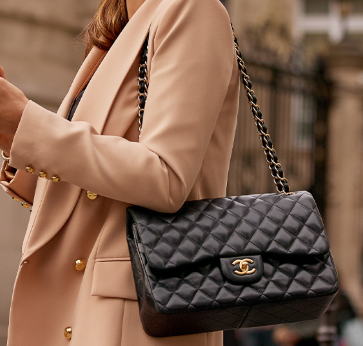
Since its introduction in the 1920s, the emblem has become one of the most influential symbols in fashion history, appearing on handbags, jewellery, fragrances and ready-to-wear collections around the world.
Did You Know?
The Chanel logo has remained virtually unchanged for over a century—a remarkable achievement in the constantly evolving fashion industry.
Behind the iconic double C is the extraordinary story of Gabrielle Chanel herself. Explore her legacy, signature designs and revolutionary approach to fashion in The Designer Edit: Coco Chanel.
2. Louis Vuitton – The Famous LV Monogram
The famous LV monogram is one of the oldest luxury logos still in use today.
Created by Georges Vuitton in 1896 after the death of his father, Louis Vuitton, the monogram was originally designed to protect the company’s luggage from counterfeit copies—a problem that already existed in the nineteenth century.
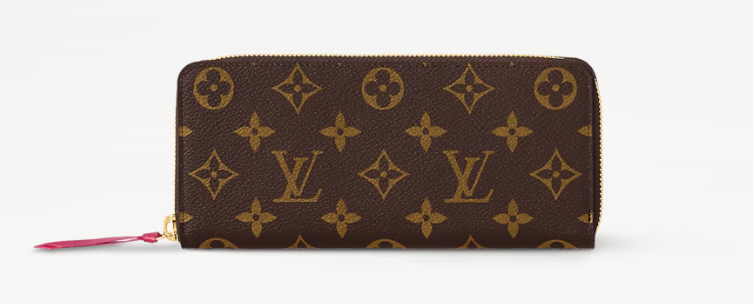
The design combines the intertwined initials “LV” with floral motifs inspired by Victorian and Japanese decorative art, creating a pattern that has become synonymous with luxury travel.
Today, the monogram remains one of the world’s most valuable visual identities.
Did You Know?
The Louis Vuitton Monogram Canvas was originally introduced as an anti-counterfeiting measure, making it one of fashion’s earliest forms of brand protection.
3. Hermès – The Horse and Carriage
Long before Hermès became famous for its handbags and silk scarves, the company specialised in creating luxury saddles and harnesses for European nobility.
Its logo proudly reflects those origins.
The elegant horse and carriage illustrate the brand’s equestrian heritage while symbolising craftsmanship, precision and timeless tradition.
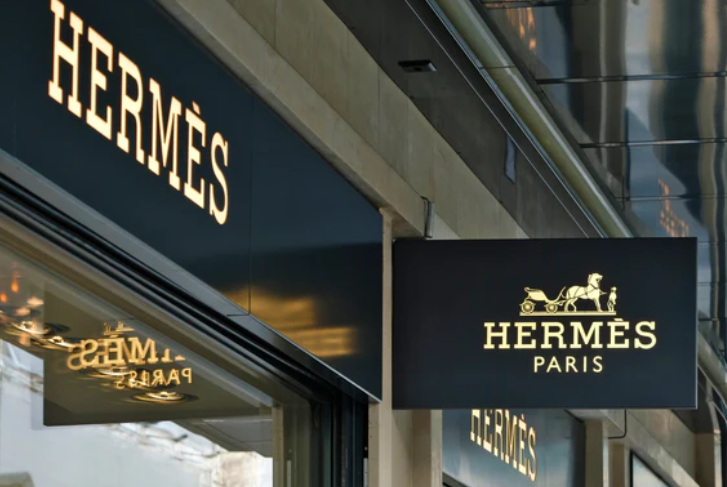
Interestingly, the carriage is shown without a driver—a subtle reminder that Hermès creates exceptional products, but it is the owner who brings them to life.
Did You Know?
Hermès was founded in Paris in 1837 as a workshop producing high-quality harnesses for horses.
4. Versace – The Medusa
The Versace logo is one of fashion’s most distinctive symbols.
Rather than choosing a traditional monogram, founder Gianni Versace selected Medusa, the legendary figure from Greek mythology whose beauty was said to captivate everyone who looked upon her.
Growing up in southern Italy, Versace was surrounded by ancient Greek ruins and classical art, which deeply influenced his creative vision.
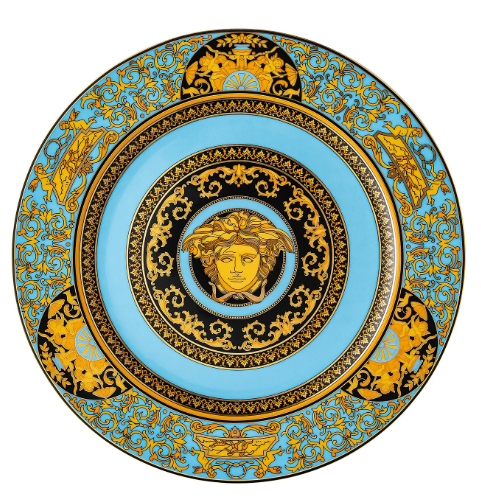
He believed fashion should possess the same irresistible attraction as Medusa herself—captivating, unforgettable and impossible to ignore.
Did You Know?
The Medusa logo was officially introduced in 1993 and remains one of the boldest identities in luxury fashion.
5. Gucci – The Interlocking Double G
The iconic double G pays tribute to the brand’s founder, Guccio Gucci.
The two elegant initials represent his name while reflecting the refined craftsmanship that has characterised the Italian fashion house since 1921.
Originally a manufacturer of luxury leather goods and travel accessories, Gucci gradually evolved into one of the world’s leading fashion brands while keeping its iconic emblem at the heart of its identity.
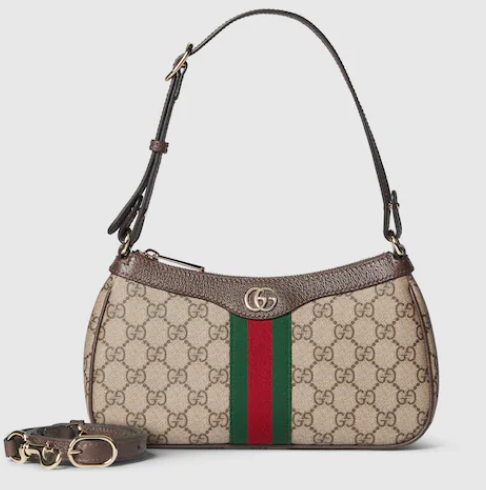
Today, the logo symbolises Italian craftsmanship, innovation and timeless luxury.
Did You Know?
Before founding Gucci, Guccio Gucci worked at London’s famous Savoy Hotel, where the luggage of wealthy international travellers inspired his passion for luxury craftsmanship.
CURIOSITY
Many of the world’s most famous luxury fashion logos have remained virtually unchanged for decades. Their longevity demonstrates how timeless design, strong storytelling and consistent brand identity can become just as valuable as the products themselves.
6. Dior – The Elegant Simplicity of a Legendary Name
Unlike many luxury fashion houses, Dior has never relied on a complex symbol or elaborate emblem.
Instead, the brand’s identity is built around its beautifully balanced typography, with the name DIOR becoming one of the most recognisable signatures in fashion.
Founded by Christian Dior in 1946, the maison has always embraced understated sophistication, allowing its exceptional craftsmanship and timeless designs to take centre stage.
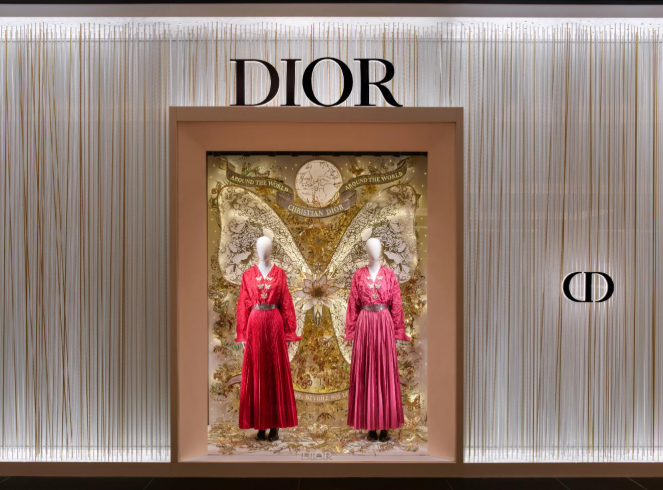
Over the years, the simple wordmark has become synonymous with Parisian elegance, haute couture and refined femininity.
Did You Know?
The famous CD monogram, seen on handbags, jewellery and accessories, combines Christian Dior’s initials and complements the classic Dior wordmark.
Behind Dior’s elegant wordmark and CD monogram lies the story of one of fashion’s most influential designers. Explore Christian Dior’s legacy in The Designer Edit: Christian Dior.
7. Yves Saint Laurent – The Artistic Monogram
Few fashion logos are as visually striking as the iconic YSL monogram.
Created in 1961 by renowned graphic designer A. M. Cassandre, the logo intertwines the letters Y, S and L into a single elegant composition.
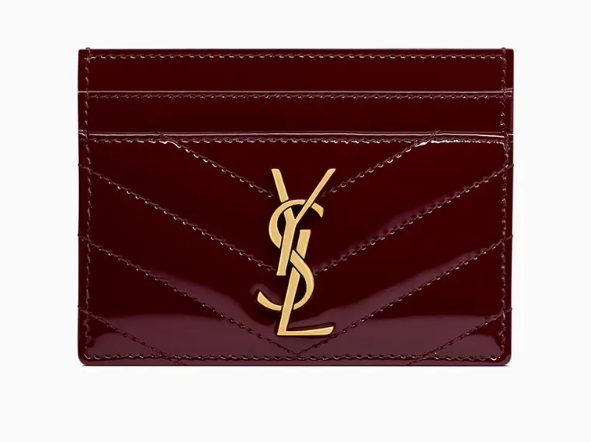
Rather than simply displaying initials, the design resembles a piece of modern art—perfectly reflecting Yves Saint Laurent’s revolutionary approach to fashion.
More than sixty years later, it remains one of the most celebrated monograms in luxury fashion.
Did You Know?
The YSL monogram was designed before the fashion house even released its first collection.
8. Prada – Understated Luxury
Prada’s logo reflects the philosophy that true luxury doesn’t need excessive decoration.
The elegant serif typography has remained remarkably consistent throughout the brand’s history, reinforcing an image of quiet sophistication rather than overt branding.

Occasionally, Prada incorporates the Savoy crest, a nod to the Italian royal family’s recognition of the company in the early twentieth century, but its simple wordmark remains the defining symbol of the house.
Today, Prada is admired for its minimalist aesthetic and timeless approach to luxury.
Did You Know?
Prada was officially appointed as an official supplier to the Italian Royal Household in 1919, allowing the brand to display the House of Savoy coat of arms in its identity.
A logo is more than a symbol; it’s the visual signature of a brand’s history, values and dreams.
9. Loewe – The Four Interlocking Ls
Loewe’s elegant anagram is one of the most artistic logos in luxury fashion.
The symbol consists of four stylised letter Ls arranged into an intricate symmetrical design, representing the Spanish luxury house’s dedication to craftsmanship and leather artistry.
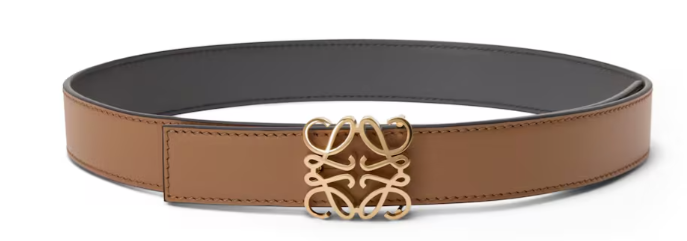
In 2014, creative director Jonathan Anderson introduced a refined version of the logo, preserving its heritage while giving it a cleaner, more contemporary appearance.
The anagram reflects the brand’s philosophy of combining traditional craftsmanship with modern creativity.
Did You Know?
Loewe was founded in Madrid in 1846 and is one of the oldest luxury leather goods houses in the world.
10. Fendi – The Double F
The famous Double F logo is often mistaken for representing the family’s surname.
In reality, it stands for “Fun Fur,” a phrase coined by legendary designer Karl Lagerfeld shortly after joining Fendi in 1965.
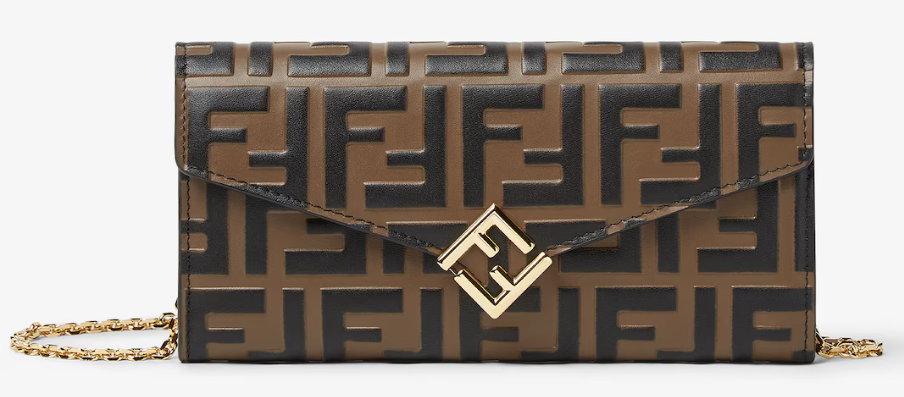
The emblem celebrated the house’s playful, innovative approach to fur craftsmanship while becoming one of fashion’s most recognisable patterns.
Today, the Double F appears across handbags, ready-to-wear collections and accessories, symbolising Italian creativity and innovation.
Did You Know?
Karl Lagerfeld famously sketched the Double F logo in just a few seconds during his first meeting with the Fendi family.
11. Valentino – The Iconic V
Valentino’s elegant V symbol reflects the timeless sophistication that has defined the Italian fashion house for decades.
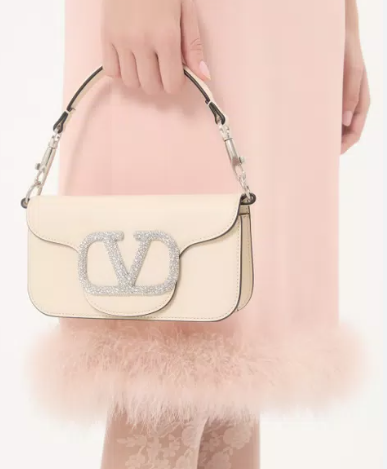
Although the logo has evolved over the years, the refined serif letter remains closely associated with couture craftsmanship, romantic design and unmistakable Italian glamour.
Its clean, balanced appearance demonstrates that even a single letter can become an instantly recognisable luxury icon.
Did You Know?
Valentino’s famous red creations became so iconic that the distinctive shade is now widely known as “Valentino Red.”
Why Luxury Logos Rarely Change
Unlike many contemporary brands that frequently update their visual identity, luxury fashion houses tend to preserve their logos for decades.
Consistency reinforces heritage, builds trust and strengthens global recognition. Over time, these symbols become deeply connected to the craftsmanship, history and values of each maison.
Rather than following short-lived design trends, luxury brands invest in timeless identities that continue to resonate across generations.
Symbols aren’t the only things that carry layers of cultural meaning. Language can do the same, as you’ll discover in Beautiful Words From Around the World That English Can’t Quite Translate.
EDITOR’S INSIGHT
The world’s most successful luxury logos share one important quality: they tell a story. Whether inspired by founders, mythology, craftsmanship or family heritage, these symbols carry meaning far beyond aesthetics. Their enduring appeal reminds us that great design isn’t simply about looking beautiful—it’s about creating an identity that people remember for decades.
Final Thoughts
Behind every luxury logo lies a fascinating story of creativity, heritage and vision. From Chanel’s iconic double C and Hermès’ horse and carriage to Versace’s captivating Medusa and Loewe’s artistic anagram, these symbols represent far more than fashion—they embody decades of craftsmanship, innovation and cultural influence.
Gemstones carry their own fascinating histories and symbolism too — discover the hidden meaning of birthstones and the stories traditionally associated with each one.
Their enduring success proves that exceptional branding is built on authenticity and consistency rather than fleeting trends. Long before a customer experiences the craftsmanship of a handbag or the elegance of a couture gown, the logo often creates the very first impression.
Luxury branding extends far beyond fashion. Discover our guide to the Best Luxury Perfumes for Women for another look at the world of iconic maisons and their signature creations.
From iconic logos to instantly recognizable designs, discover more luxury fashion inspiration in our guide to the Best Luxury Sneakers for Women.
The next time you spot one of these iconic emblems on a boutique façade, handbag or fragrance bottle, you’ll know that behind its elegant design lies a remarkable story that has helped shape the world of luxury fashion.